Google Patent for UAV Delivery of Medical Equipment
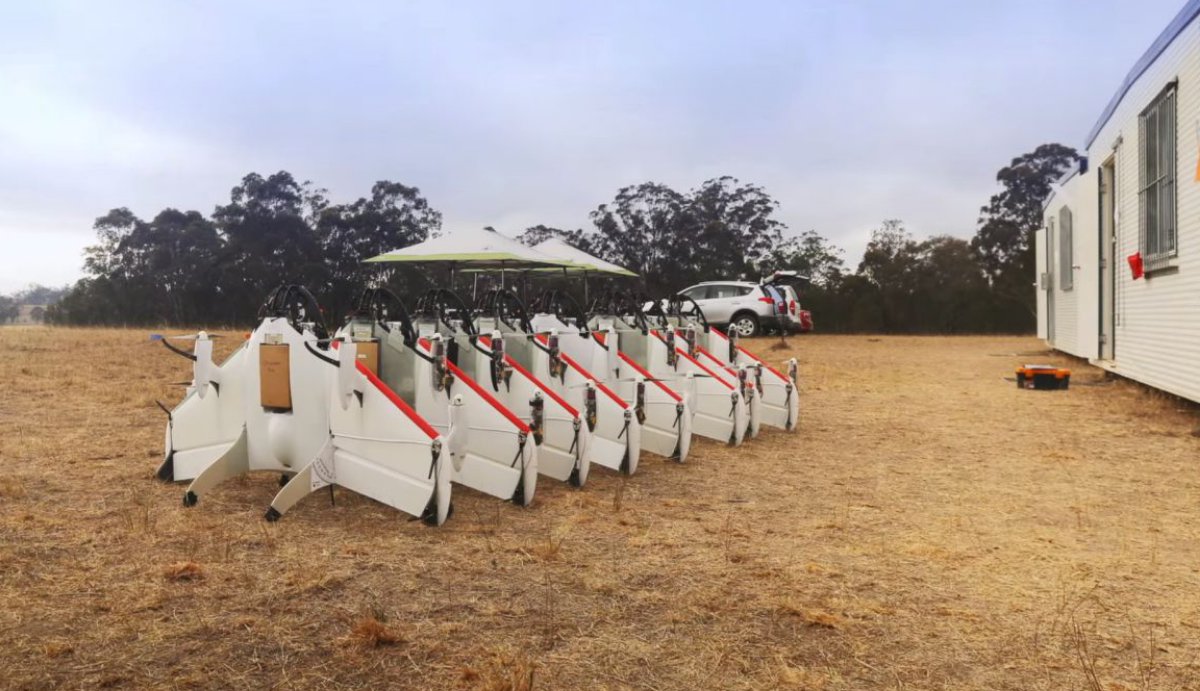
A new patent awarded to Google outlines a device that can call for a drone to fly in with specific medical equipment. Last year, Google patented the idea of flying drones to medical emergencies with life-saving technology onboard, and now it seems the tech giant has a plan for how we would contact these drones.The device in today’s patent looks like a cross between an old HAM radio and one of the callboxes found on the sides of highways. Users would press a button for their specific medical emergency, and it would deploy a drone to the scene.
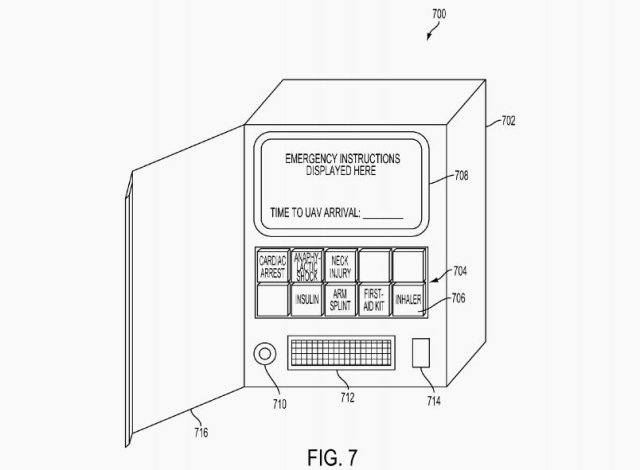
According to the Google patent, this could save precious minutes in emergencies, such as an anaphylactic shock caused by an allergic reaction, or a heart attack. The autonomous drone could head right out to the emergency with a defibrillator or a shot of adrenaline on board. As the patent puts it:
For example, if it takes 8-9 minutes for an EMS unit such as an ambulance or fire truck to arrive at the site of the emergency under normal circumstances, the first 60-120 seconds of that time may involve the dispatch (e.g., calling 9-1-1, speaking to an operator, etc.). A UAV, on the other hand can be dispatched with an example system without the human interaction required for typical 9-1-1 emergency response, and may be able to travel faster than a ground vehicle because it does not face traffic conditions and will have less distance to cover since it can travel “as the crow flies” versus following roads.
The patent also suggests that the device could deploy autonomous vehicles—perhaps like a self-driving car—suggesting that Google might also be thinking about uses for its self-driving car program beyond ferrying people on their commutes.
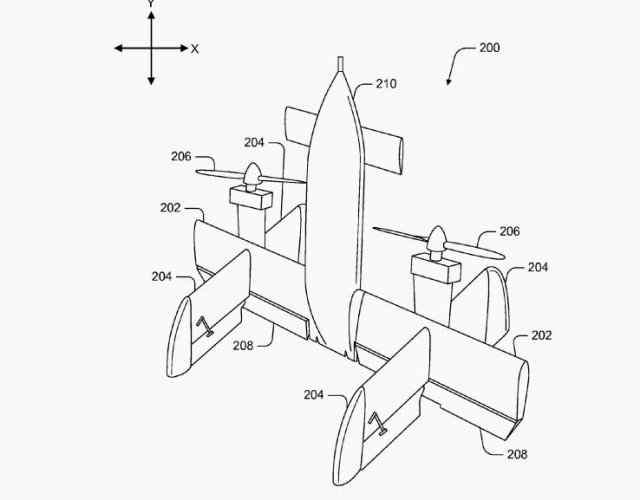
The patent also outlines how the device would connect to Google’s drone fleet—it could be either though a wifi, hardwired, or a cell connection—but doesn’t seem to suggest that the company has thought about implementing this in, say, an app. Presumably, the system would be most useful for people needing medical assistance wherever they are, not just near one of Google’s boxes—though the drones would likely need an open space to land. It’s possible Google wouldn’t want people calling drones from densely-packed areas.
Source: Quartz