XQ-67A Demonstrates Autonomy and Datalink Interoperability During High Desert Flight Test
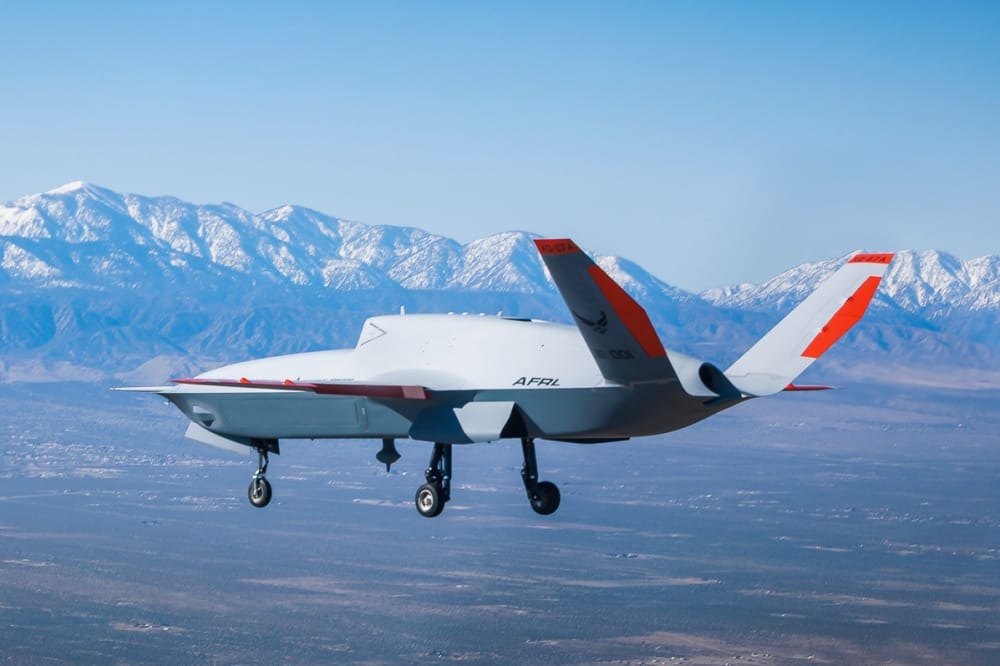
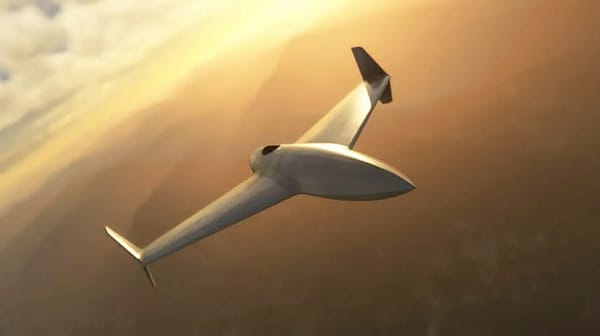
AFRL’s XQ-67A, a second-generation Autonomous Collaborative Platform (ACP), successfully demonstrated integration of government reference autonomy during a recent flight test in the California High Desert.
The flight showcased the integration of government-owned autonomy on the XQ-67A, paired with active tactical data-link communications, to enable dynamic mission execution and real-time coordination with both crewed and uncrewed systems. The event marked a major milestone in advancing scalable, modular autonomy and seamless interoperable crewed-uncrewed teaming (C/U-T).
General Atomics Aeronautical Systems, Inc
During the flight, the XQ-67A executed test points to validate the integration of mission systems on the aircraft, including autonomy, mission computing, networking, power and thermal management, and datalinks. Through a tactical datalink, the aircraft received real-time updates and situational data, giving it the ability to coordinate seamlessly with crewed aircraft and other autonomous systems in the future.
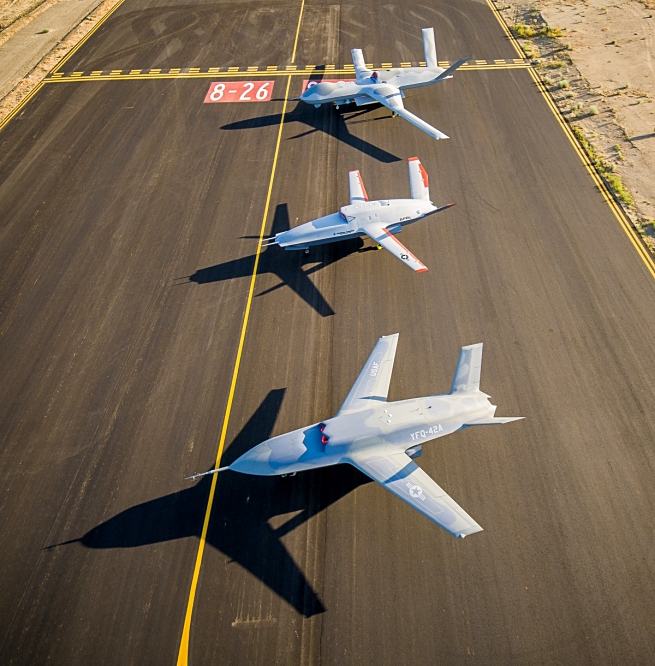
The XQ-67A platform, built by GA-ASI under contract with AFRL, plays a critical role in exploring the platform sharing approach to achieving scalable affordable mass. Its performance in this flight test advances the Air Force’s vision for an integrated autonomous force that can support and augment current and future crewed platforms.
The successful demonstration in the high desert highlights the promise of combining government-owned autonomy with proven tactical communications infrastructure. This approach accelerates technology transition and supports AFRL learning objectives regarding the integration of mission systems within the context of the highly relevant XQ-67A testbed.