USAF’s New Low-Cost Anti-Air Missile Program Aims for $500K Target Price
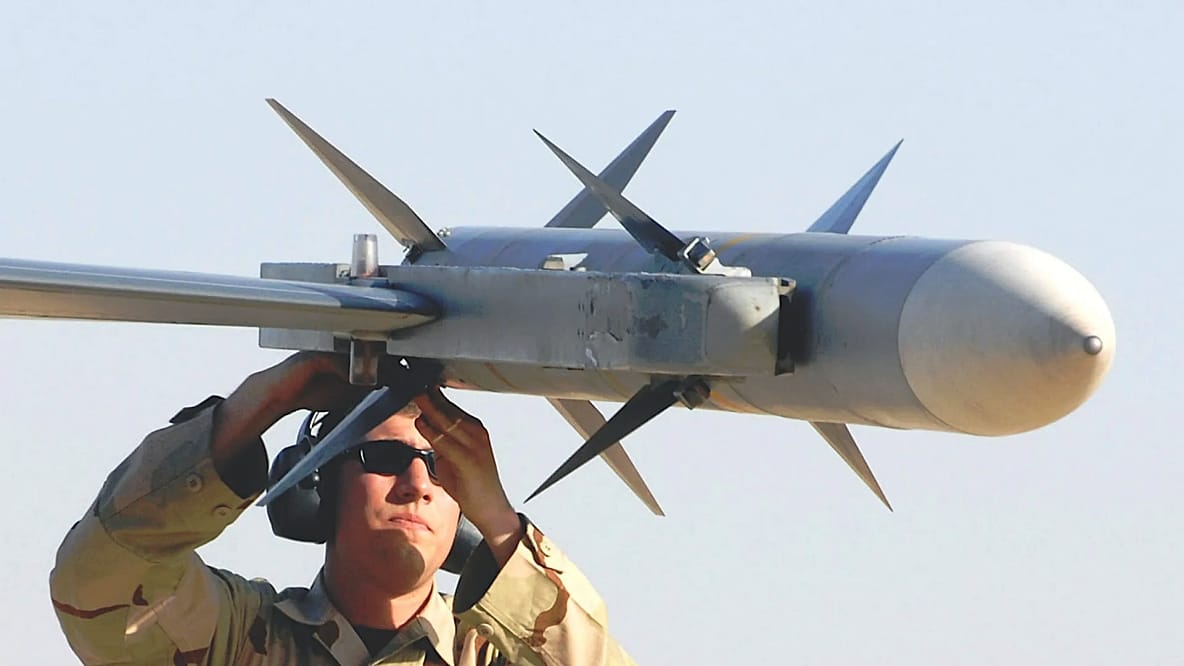
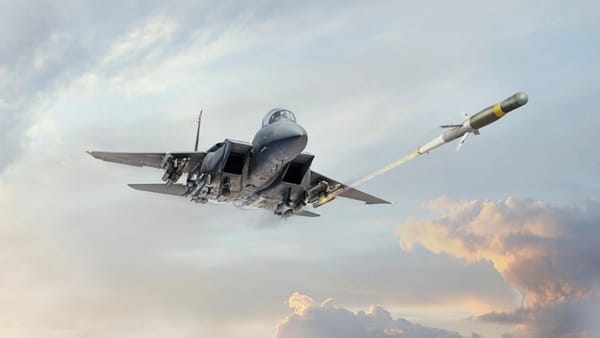
The U.S. Air Force has put out a new call for concepts for a future anti-air missile that costs no more than $500,000 and that could be built at a rate of at least 1,000 per year. The service says the planned Counter-Air Missile Program (CAMP) will build upon frameworks it has been using to develop cheaper cruise missiles for striking targets on land and at sea.
The Air Force Life Cycle Management Center’s Armament Directorate recently released a contracting notice regarding CAMP. The directorate has stressed that it is still in the very early stages of laying out the effort.
However, “the United States Government has identified a need … for the development, procurement, and integration of a low-cost counter-air capability as a future class of the Affordable Mass Munitions portfolio,” according to the notice. “It is the Government’s expectation that the initial CAMP system will provide a ground-launched capability that is a viable pathway to a low-cost air-to-air missile.”
“Low-cost” here is defined as less than $500,000 per unit for a production run of at least 1,000 complete missiles. The target annual production rate is between 1,000 and 3,500 of the CAMP munitions.
“The highest priority of this effort is the development and demonstration of an affordable, open system, modular, and highly producible ground-launched capability. Ground-launch efforts will serve as a risk reduction effort expediting missile design maturation and evaluation for future affordable air-to-air missile capabilities,” the contracting notice adds. “A ground-launch system will also serve as a new weapon class of Enterprise Test Vehicle (ETV), providing a lower cost, rapid capability to integrate and demonstrate future sub-systems and components in a relevant environment prior to integration into a Program of Record weapon.”
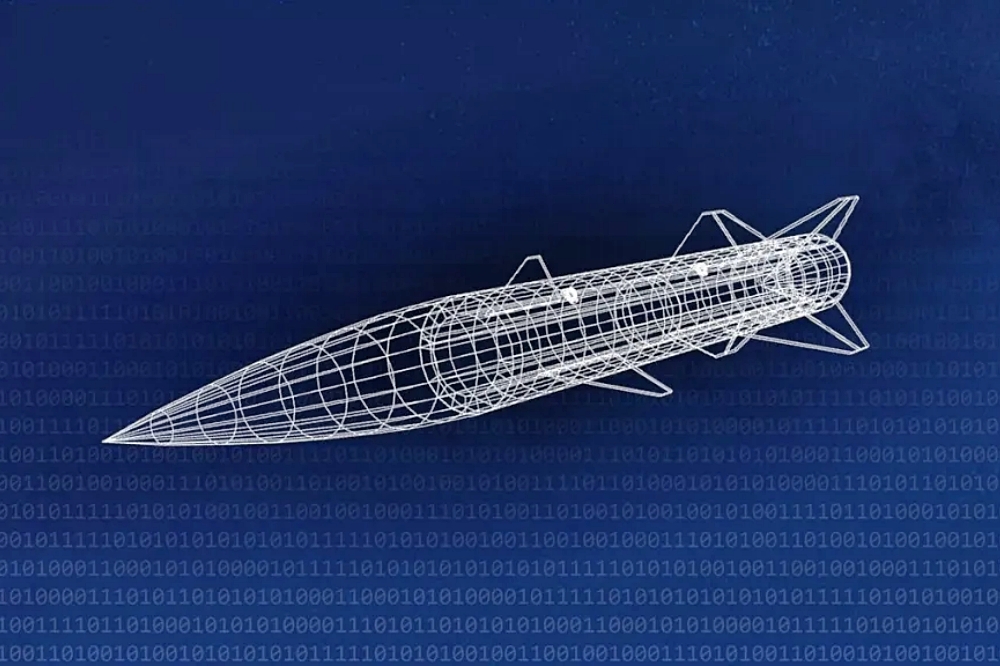
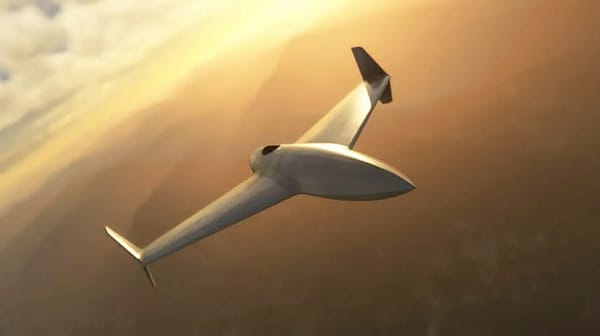
In June 2024, the Air Force and the Pentagon’s Defense Innovation Unit (DIU) announced they had hired four companies – Zone 5 Technologies, Anduril, Leidos subsidiary Dynetics, and Integrated Solutions for Systems, Inc. – to design and deliver prototype ETVs. Ostensibly low-cost cruise missiles, the designs in question skirt an increasingly blurry line separating traditional cruise missiles from uncrewed aerial systems, especially longer-range kamikaze drones, as well as decoys.
Source: The War Zone