US Troops Test C-UAS Technologies in Germany to Boost NATO’s Air Defences
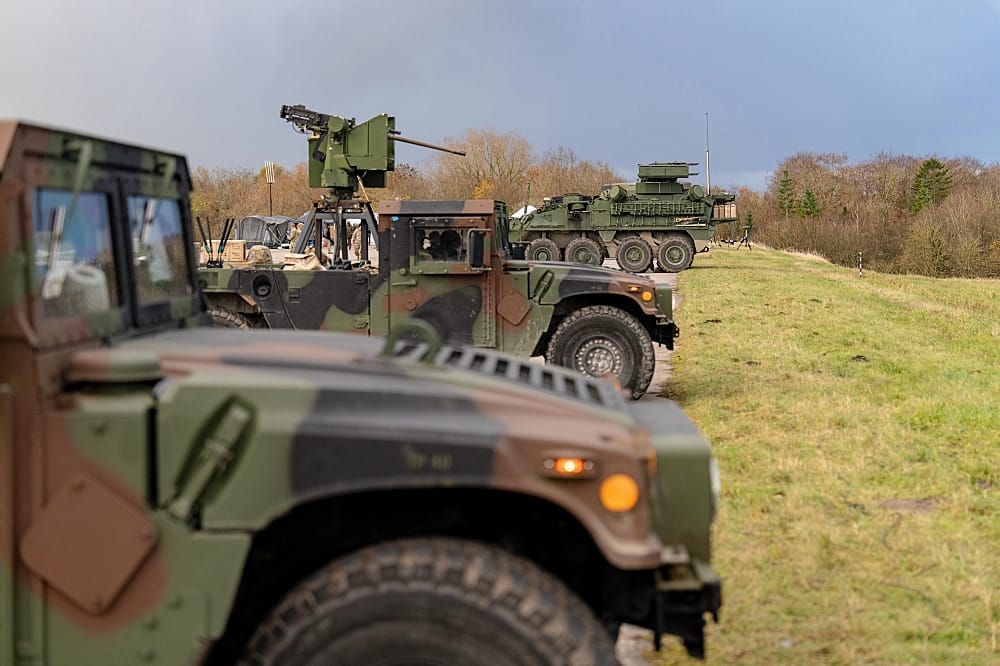
Project Flytrap 4.5 brings soldiers, industry and technology together in Germany to push the limits of counter-drone solutions to defend NATO’s eastern flank.
Over the past months, it has become clear how the threat posed by drones is evolving and increasingly impacting our everyday life. We have seen unidentified drones flying around European airports and severely disrupting civilian air traffic, as well as other Russian-owned systems violating NATO’s airspace alongside the eastern flank of the Alliance.
[embed]https://vimeo.com/1142104175?share=copy&fl=sv&fe=ci[/embed]
NATO and Allies are rising to the challenge with various initiatives to boost our counter-drone measures, further strengthening our air defences. Part of these efforts is Project Flytrap 4.5, a US-led initiative designed to test and evaluate off-the-shelf, scalable, cutting-edge counter-drone technologies, for possible fast procurement and future integration into Allied air defence systems. These tested systems can help Allies to detect and destroy drones at a lower cost and a higher efficiency.
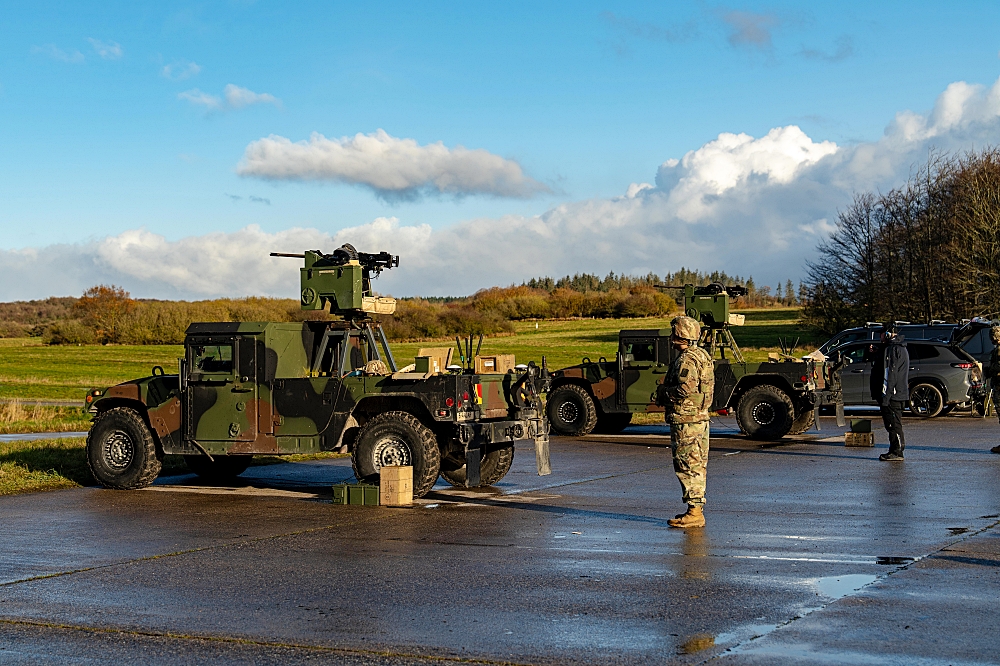
Part of these efforts is Project Flytrap 4.5, a US-led initiative designed to test and evaluate off-the-shelf, scalable, cutting-edge counter-drone technologies, for possible fast procurement and future integration into Allied air defence systems. These tested systems can help Allies to detect and destroy drones at a lower cost and higher efficiency.
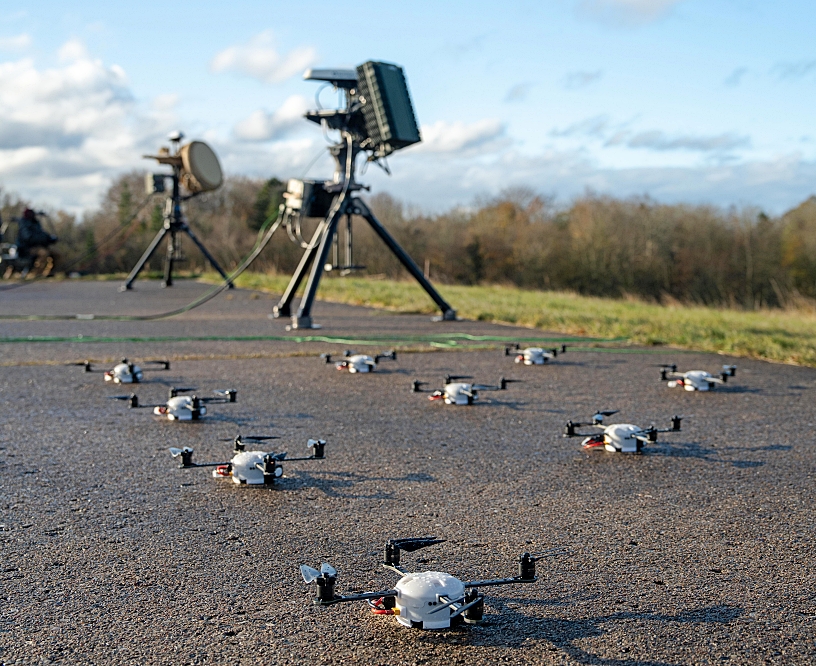
Top Photo: A line up of US Army vehicles equipped with counter-drone systems prepare to engage in a counter-drone exercise. NATO and its Allies are boosting our defence against the threat posed by drones with various initiatives. Part of these efforts is Project Flytrap 4.5, a US-led initiative designed to test and evaluate off-the-shelf, scalable, cutting-edge counter-drone technologies, for possible fast procurement and future integration into Allied air defence systems. These tested systems can help Allies to detect and destroy drones at a lower cost and higher efficiency.
Source: NATO