Ukraine’s Skyeton Conducts First Hydrogen Fuel Cell Flight with Raybird UAV
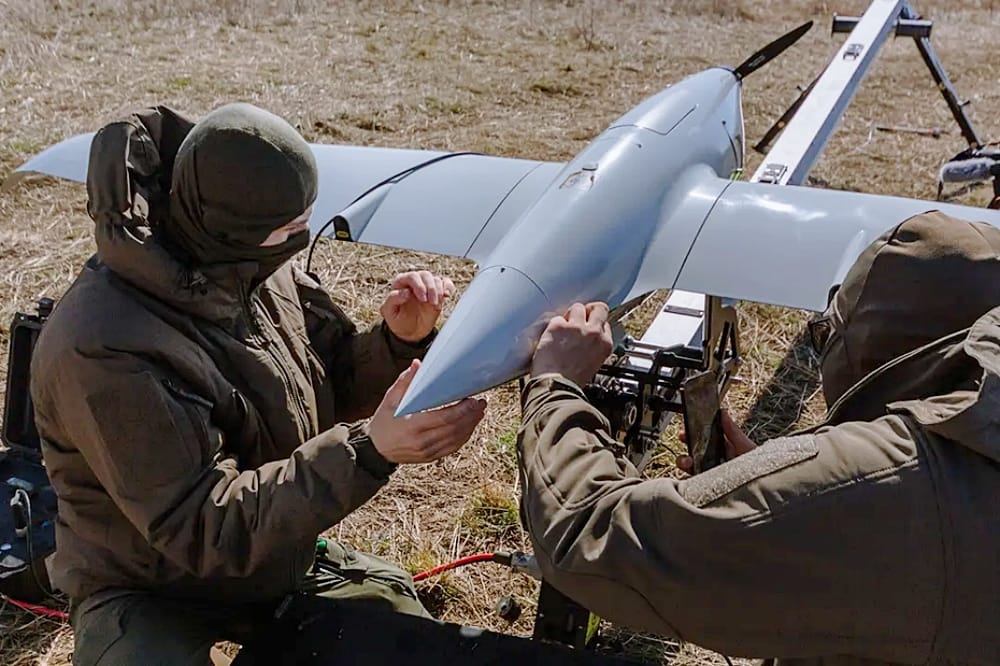
A hydrogen fuel cell-powered version of Ukraine's Raybird unmanned aerial vehicle has completed a successful in-country test flight, marking a critical milestone in the push for cleaner, longer-range UAV operations.
Developed by Ukrainian aerospace firm Skyeton, the Raybird was modified with a hydrogen fuel cell system that generates electricity from hydrogen, replacing conventional fuel-based propulsion with a zero-emission solution.
The breakthrough demonstration underscores Skyeton’s shift toward hydrogen-electric technology, targeting increased endurance and mission reliability under extreme conditions.
Roman Knyazhenko, CEO of Skyeton:
“The main task for us is to create an aircraft with an electric engine capable of over 15 hours of flight endurance in extreme conditions while carrying a payload. We are considering a hydrogen fuel solution as a way to gain all the advantages of an electric motor, such as high reliability, engine power, and ease of maintenance, combined with a long-duration continuous flight, which is a hallmark of our UAV.”
Following the successful test, Skyeton is now working on redesigning the Raybird’s fuselage specifically for hydrogen integration. This new configuration will improve space utilization and weight distribution to accommodate the fuel cell system more efficiently, laying the groundwork for full-scale production of hydrogen-powered Raybird models.

Raybird is a compact, tactical unmanned aerial system (UAS) designed for long-duration missions including surveillance, SAR, laser designation, and ISR in the most challenging environments. The UAV boasts a quick deployment capability with tool-free assembly under 25 minutes, hot-swappable payload options up to 5 kg, and automated takeoff and landing. Its mechanical catapult launch system ensures successful operation from rough terrain and under high wind conditions, offering a distinct advantage over less rugged VTOL systems.
Skyeton’s hydrogen-electric roadmap could significantly enhance Raybird's operational efficiency, opening dual-use applications in both defense and civilian sectors while aligning with global decarbonization goals.
Source: Fuel Cell Works