UAS Safety Training by Southern California Safety Institute
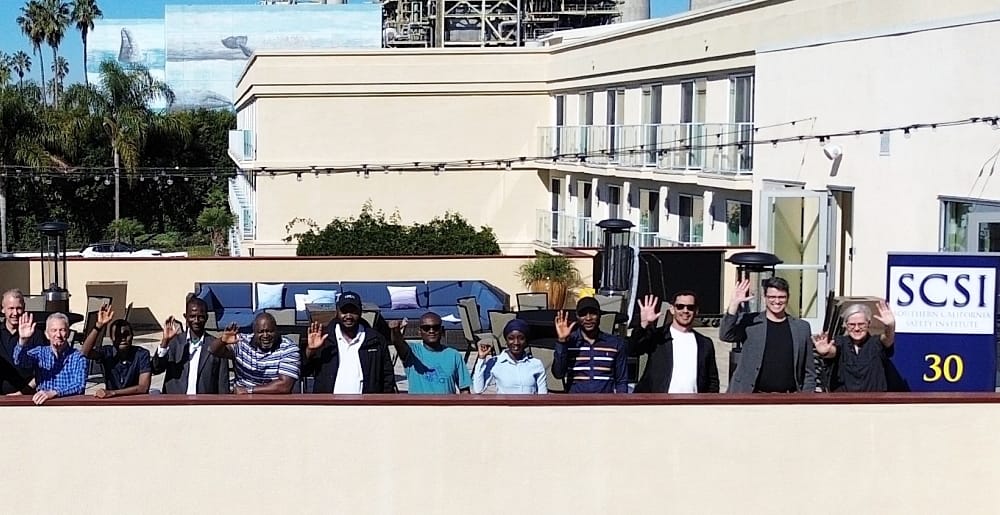
The idea for the UAS (Unmanned Aircraft Systems) course at the Southern California Safety Institute originated from a question during one of the Human Factors courses about automation and a DJI drone flyaway. Since then, the Institute has been delivering the course for 12 years. This industry-leading introduction to Beyond Visual Line of Sight (BVLOS) unmanned aircraft operations is based on its instructors' 20+ years of UAS experience.
Hundreds of students from high-profile organizations and government agencies such as NASA and the Civil Aviation Authority of Singapore have been trained at the Institute.
The course, developed in collaboration with Cyclops Air Ltd., provides students with the essential knowledge required to safely plan, manage, and conduct BVLOS flights. It covers both the positive and negative aspects, from regulatory requirements around the world to accident case studies and related investigation considerations, as well as the use of accelerometers and datalinks.
Delivered in a classroom-based format with lectures, group exercises, and case studies (which can also be taken in a hybrid online format), the course spans 4.5 days. Students receive a comprehensive introduction to Unmanned Aircraft Systems (UAS) and Remotely Piloted Aircraft Systems (RPAS), with a focus on conducting BVLOS operations.
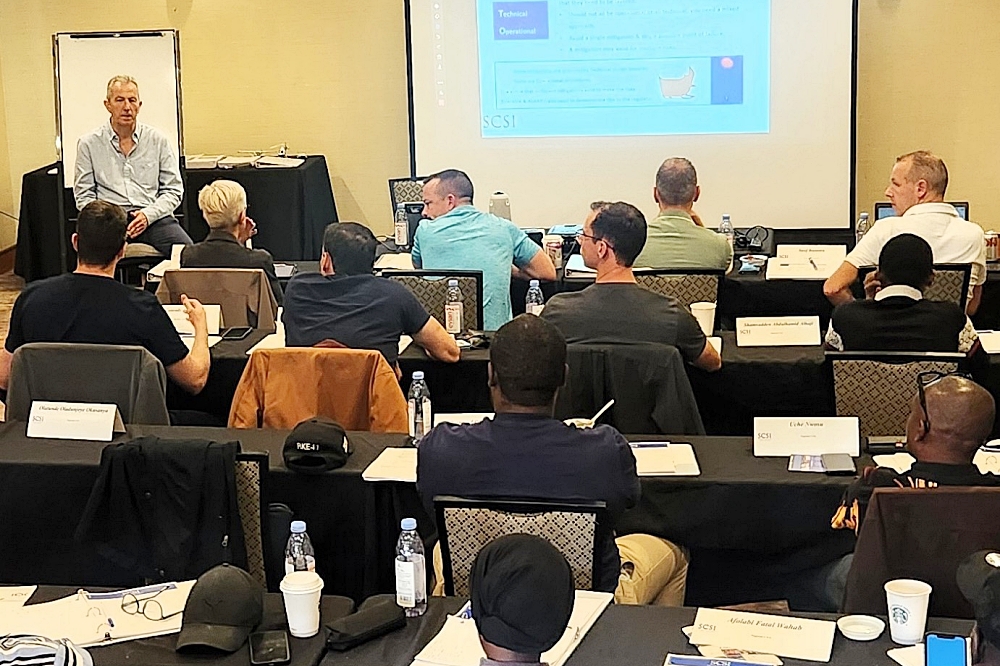
Students consistently rate both the course and the quality of instruction as excellent, with many recommending colleagues to attend, resulting in regular repeat customers. One of the favourite comments came from the program manager at a major manufacturer, who said he wished his team had taken the course earlier. The team had spent a whole week the previous month trying to resolve an issue covered in the Ground Station interface lesson. He promptly booked us to deliver a UAS Human Factors course to his company.
Individual lesson topics vary, covering subjects like Detect and Avoid performance and technologies, Ground Station interface design, and the loss of sensory information we take for granted when flying a VLOS drone or a crewed aircraft. Students also learn how GNSS works, its associated errors, and gain insight into autopilot technology and flight envelope protection.
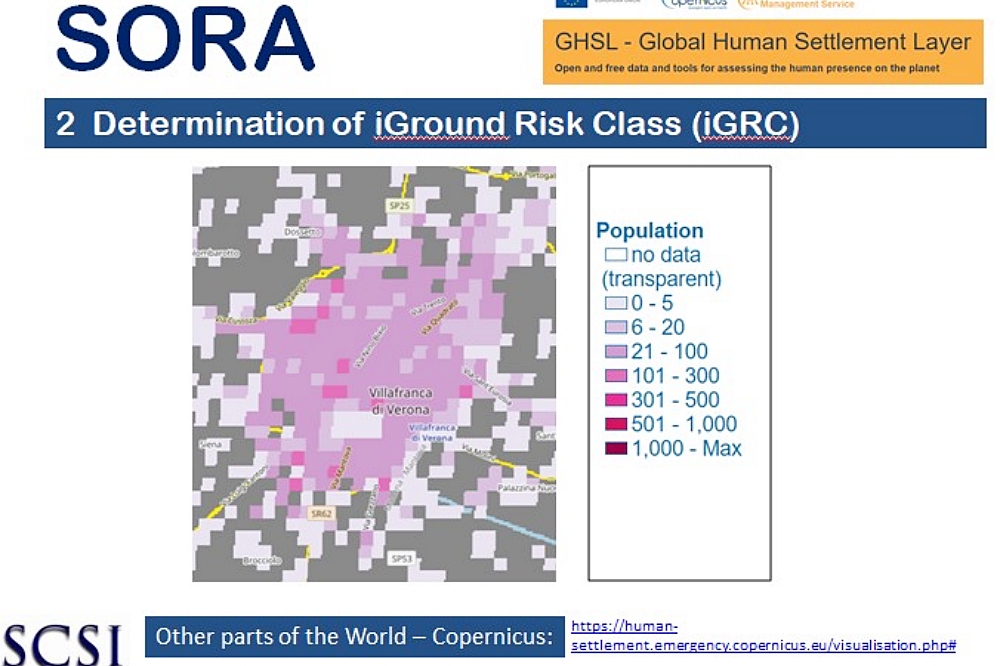
The safety management section of the course focuses on hazard and risk identification and classification, along with effective mitigation strategies. Students will learn how to construct an operating safety case and receive an introduction to the SORA (Specific Operations Risk Assessment), including its risk classifications and related operational safety objectives. The FAA’s Part 108is eagerly awaited.
The UAS accident investigation portion of the course explores case studies from various countries. Attendees will learn common themes, the importance of Human Factors, and the potential pitfalls and dangers of automation when the human is removes from the loop. Students will also gain a solid understanding of the development of unmanned/uncrewed aviation and the technologies that make it possible.
Southern California Safety Institute (SCSI) is an established center of excellence in safety training, serving global leaders in the aviation, oil, and healthcare industries. Headquartered in Southern California and delivering training worldwide for over 35 years, SCSI offers comprehensive safety training and consultation services, as well as industry-recognized certificate programs in Aircraft Accident Investigation and Safety Management Systems.