The Shahed Story - the Weapon that Changed 21st Century Warfare
The history of anti-radar loitering munitions begins with Germany’s DAR project in the 1980s, a “fire-and-forget” UAV capable of targeting radar systems or acting as a decoy. This lineage lead to the Shahed-131/136 drones—long-range, low-cost one-way attack systems.
In the beginning, there was Germany’s Die Drohne Antiradar (DAR): In the mid-1980s, Germany and the USA commenced a joint project aimed to create a specialized single-use UAV that would be able to target Soviet radars, become a decoy averting enemy air defences from real weapons, or wipe anti-aircraft systems altogether in a "fire-and-forget" way.
German aircraft manufacturer Dornier came out as winner of the competition for the contract, their product was known as Die Drohne Antiradar, the production process also implemented some technologies developed by Texas Instruments.
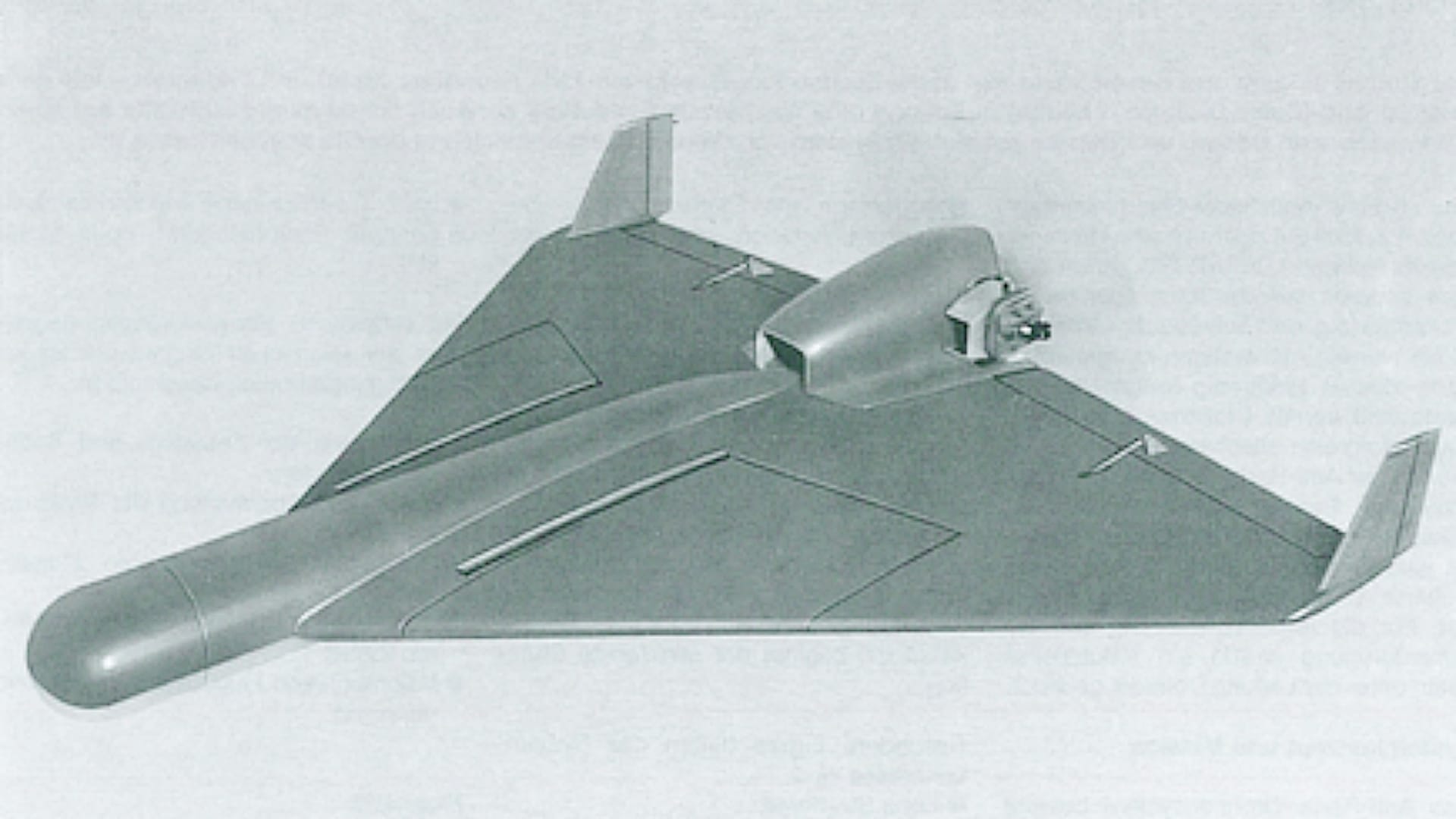
DAR was an explosive aerial suicide drone it had a take-off weight of 110 kg and a combat weight of 142.5 kg. Its length was 2.3 m and it had a wingspan of 2.0 m. It featured a single propeller with a diameter of 67 cm. The DAR was powered by a Fichtel and Sachs SF2-360 two-cylinder, two-stroke boxer engine and had a maximum speed of 250 km/h. Its maximum flight altitude was 3,000 m, with a flight duration of up to 3 hours and a range of around 600 km. The drone had a fuel capacity of 18 kg, was equipped with a GPS-Navstar receiver and a passive broadband seeker for guidance, and carried a fragmentation warhead designed to detonate on impact.
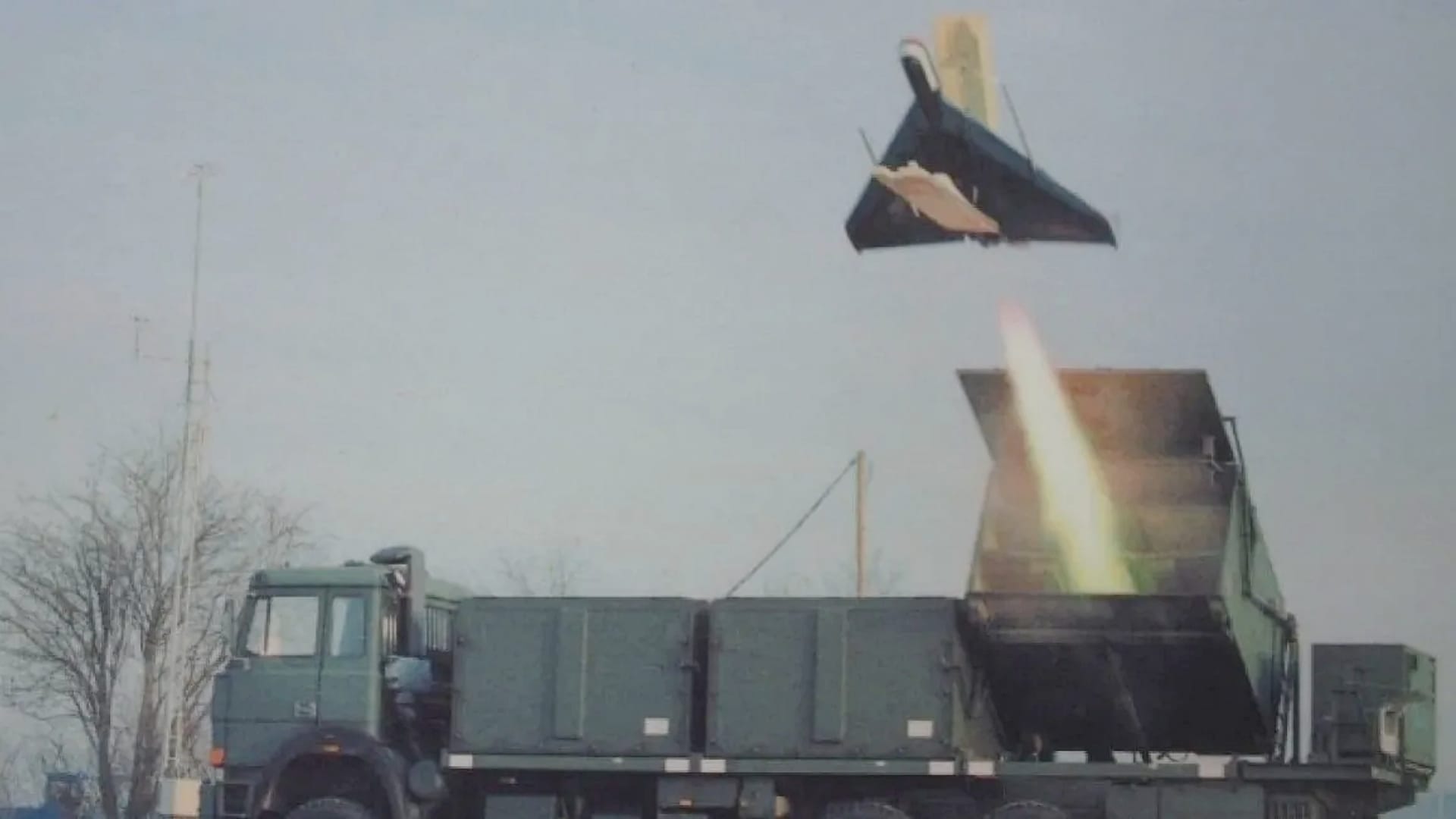
The drone was supposed to take off a special truck on the MAN 22.240DE chassis, each could carry six UAVs, although the prototypes were initially launched from an Iveco 260AH. The loitering munitions were launched practically the same way as modern Shahed-136 are.
As far as known, DAR should have entered service with the German Bundeswehr in the 1990s but the "Cold War" ended, the adversary ceased to exist, hence Die Drohne Antiradar became no longer relevant. Afterward, the traces of this project are lost in time.
Still the fact remains that the US-German project became the genesis of the anti-radar drones.
KENTRON
Then there was Kentron ARD-10 in South Africa.
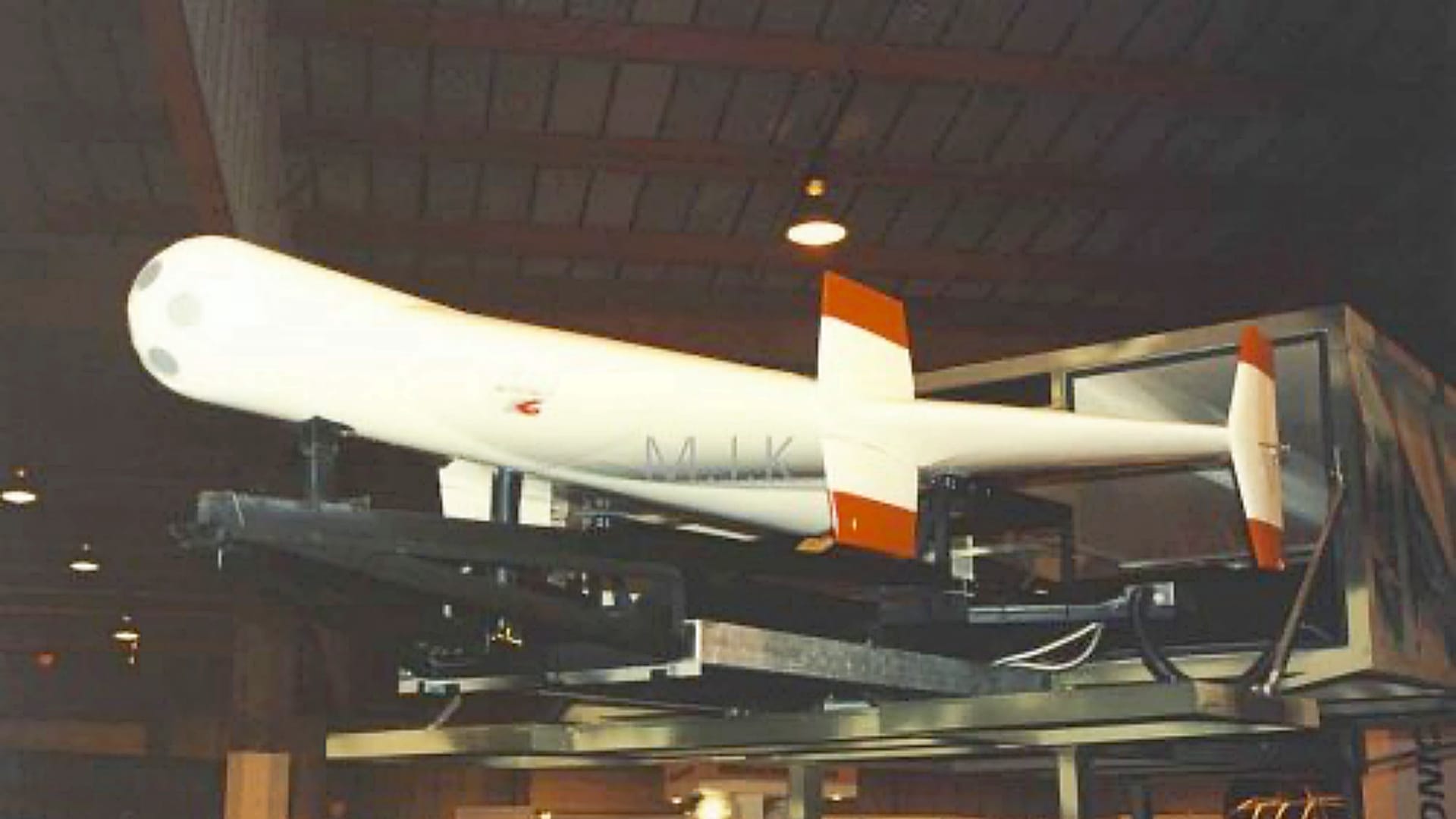
Kentron (now Denel Dynamics) developed the ARD-10 loitering drone for the South African Defence Force in the 1980s,probably inspired by the DAR. However with the end of the South African Border Wars it did not enter service. Kentron sold the designs to Israel Aerospace Industries which used them to develop the IAI Harpy which was first tested in 1989. The designs were sold to Iran Aviation Industries Organization in 2004/5 and used by Shahed Aviation Industries to develop the Shahed 131 and Shahed 136 drones
HARPY/HAROP
Then comes the Harpy drone, developed by Israeli Aerospace Industries (IAI). It has a length of 2.7 m, a wingspan of 2.1 m, and is powered by a UEL AR731 single-rotor Wankel engine. It has a range of 200 km, a top speed of 185 km/h, and carries a 32 kg high-explosive warhead. These drones are designed to autonomously target and destroy radar systems.
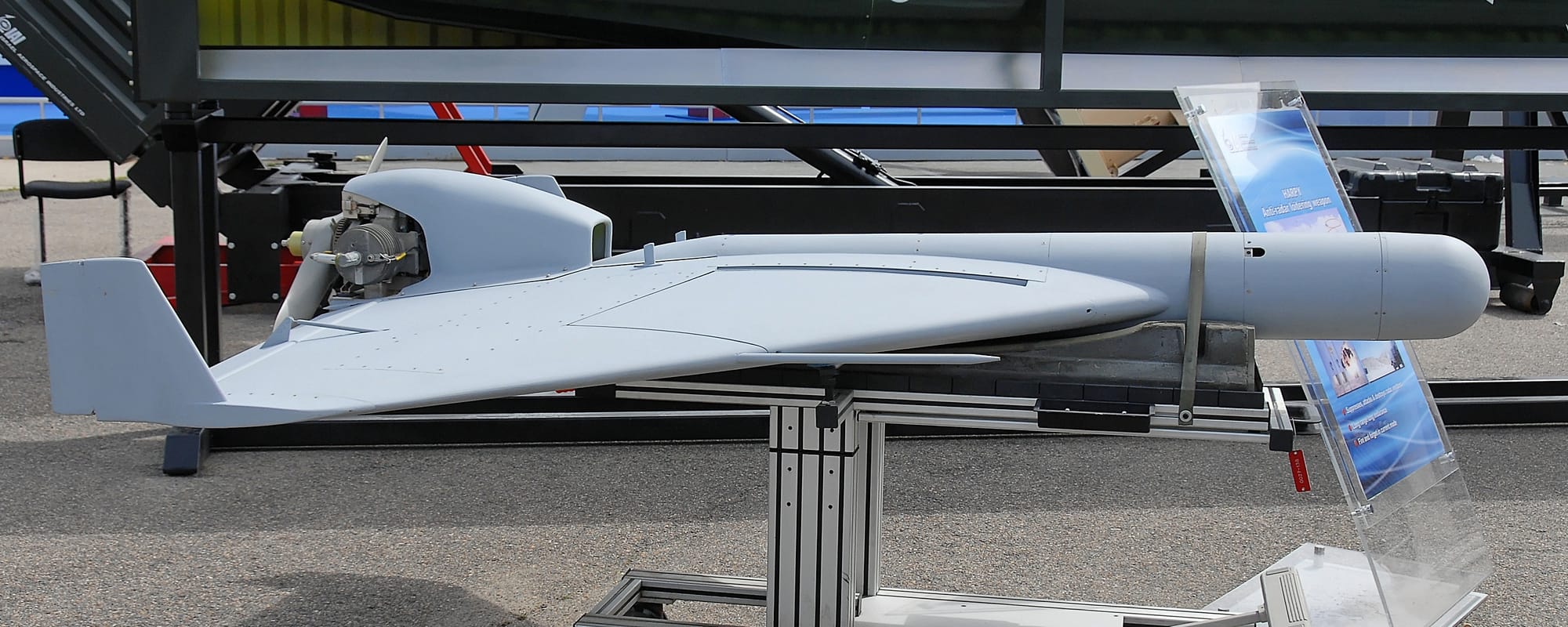
The IAI Harpy is an anti-radar loitering munition produced by Israel Aerospace Industries (IAI). The Harpy is designed to attack radar systems and is optimised for the suppression of enemy air defences (SEAD) role. It carries a high explosive warhead.
In 2004, the Harpy became the focus of an effort by the United States to restrict arms transfers and the sales of advanced military technology to China. Sold to China in 1994 for around US$55 million, the loitering munitions were returned to Israel in 2004 under contract to be upgraded. The United States, fearing that the Harpy would pose a threat to Taiwanese and American forces in the case of a war with China, demanded that Israel seize the loitering munitions and nullify the contract.
In 2005, the loitering munitions were returned to China without being upgraded.
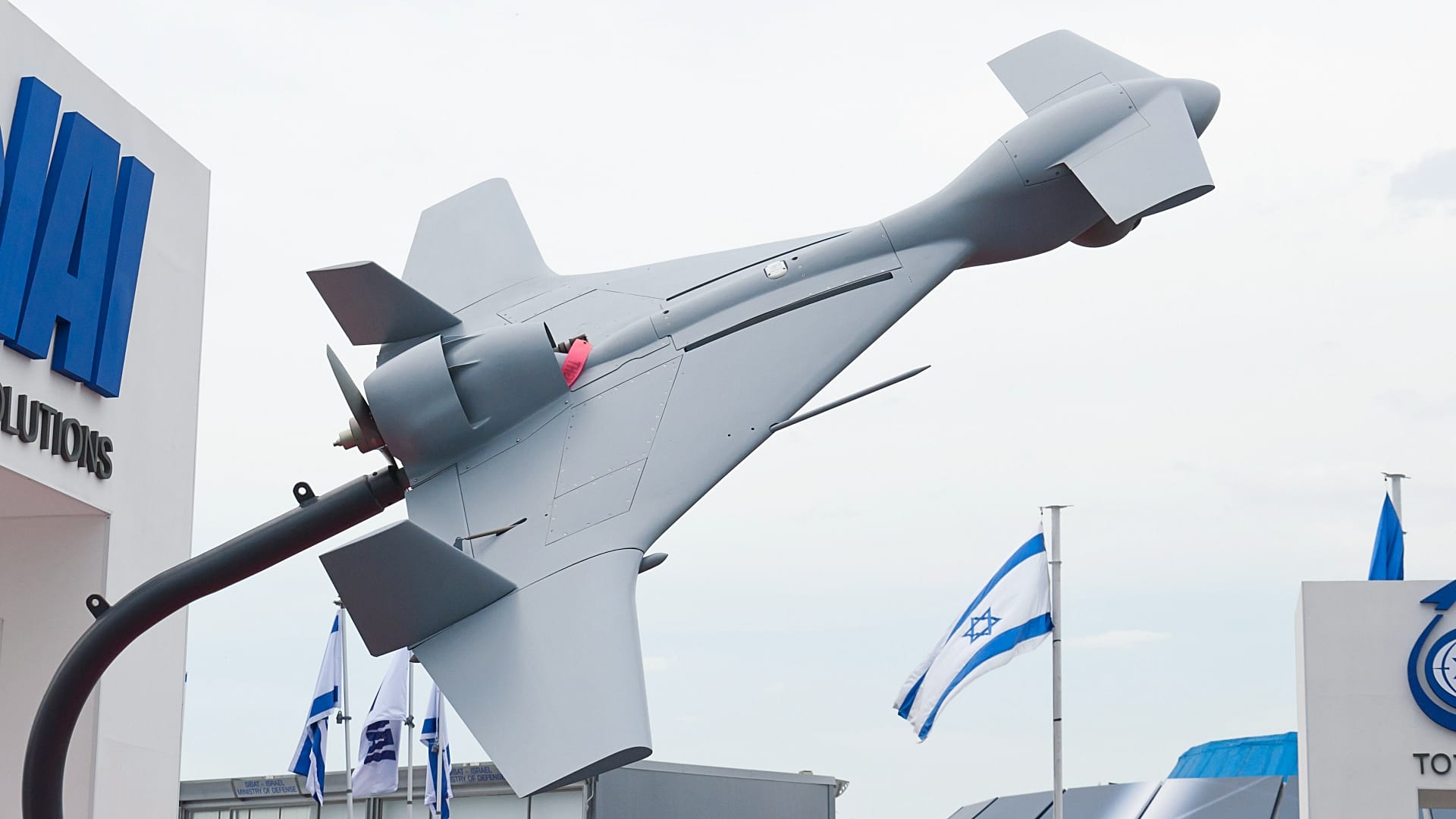
The Harop drone, an evolution of the Harpy, incorporates an electro-optical sensor. It has similar performance characteristics, with a wingspan of 3.0 m, endurance of 6 hours, length of 2.5 m, and range of 200 km.
SHAHED 136
The Shahed 136 is an Iranian-designed one-way attack drone, also referred to as a kamikaze drone or suicide It is designed and manufactured by the Iranian state-owned corporation HESA in association with Shahed Aviation Industries.
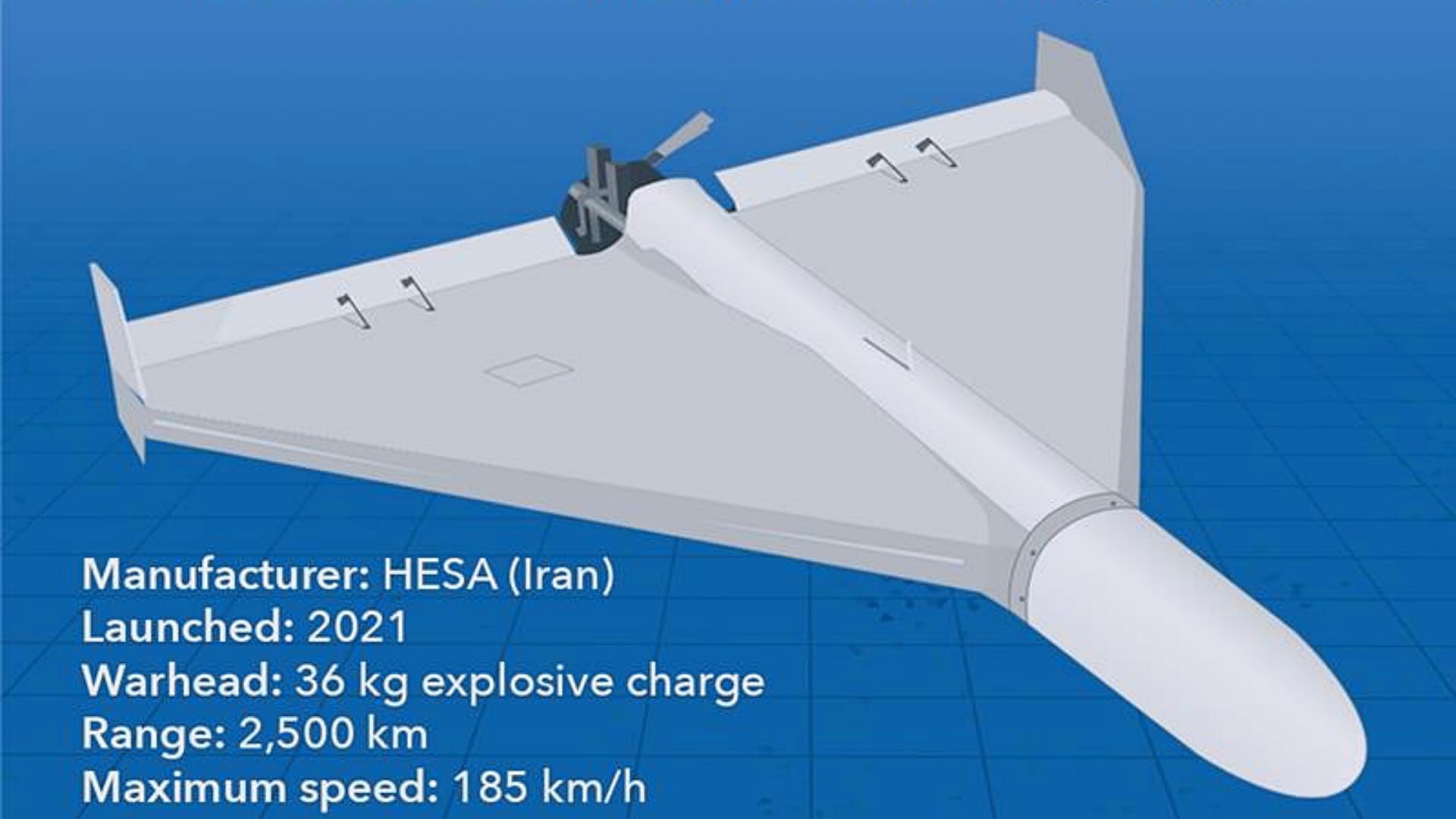
The munition is designed to attack ground targets from a distance. The drone is typically fired in multiples from a launch rack.
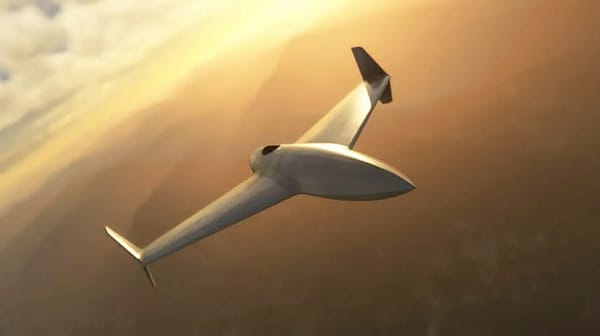
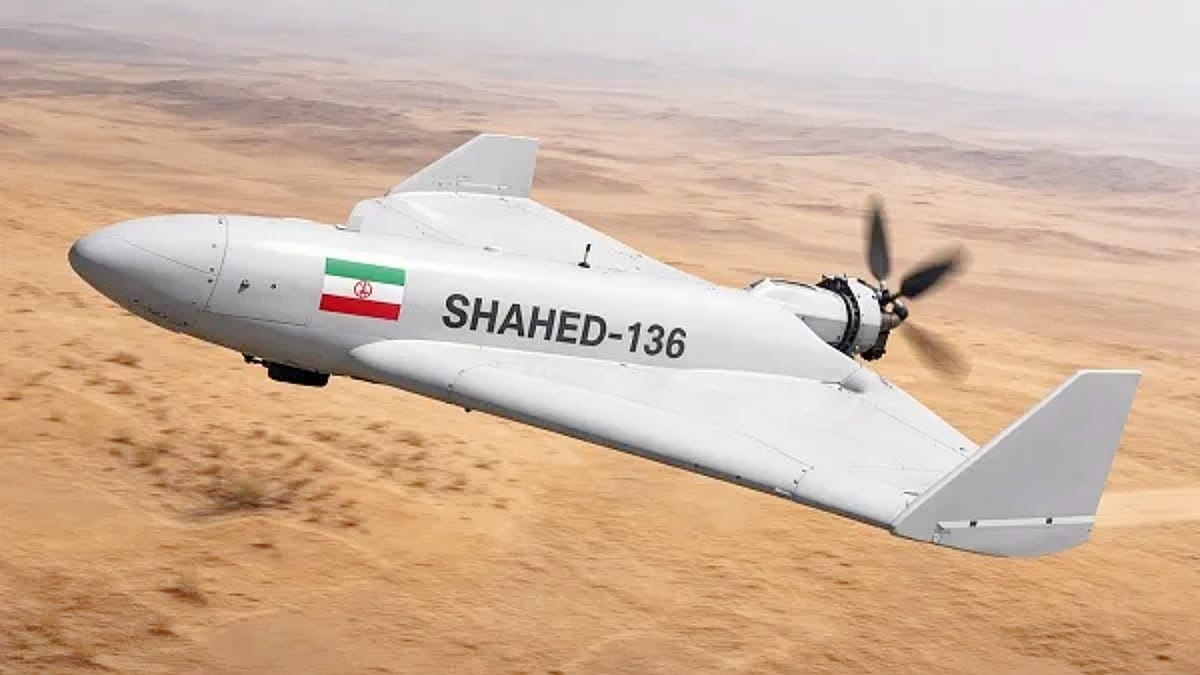
The aircraft has a cropped delta-wing shape, with a central fuselage blending into the wings, which have vertical stabilizing rudders at the tips. The nose section contains a warhead estimated to weigh 30–50 kilograms. An Iranian-made Mado MD-550 engine sits in the rear of the fuselage and drives a two-bladed pusher propeller.
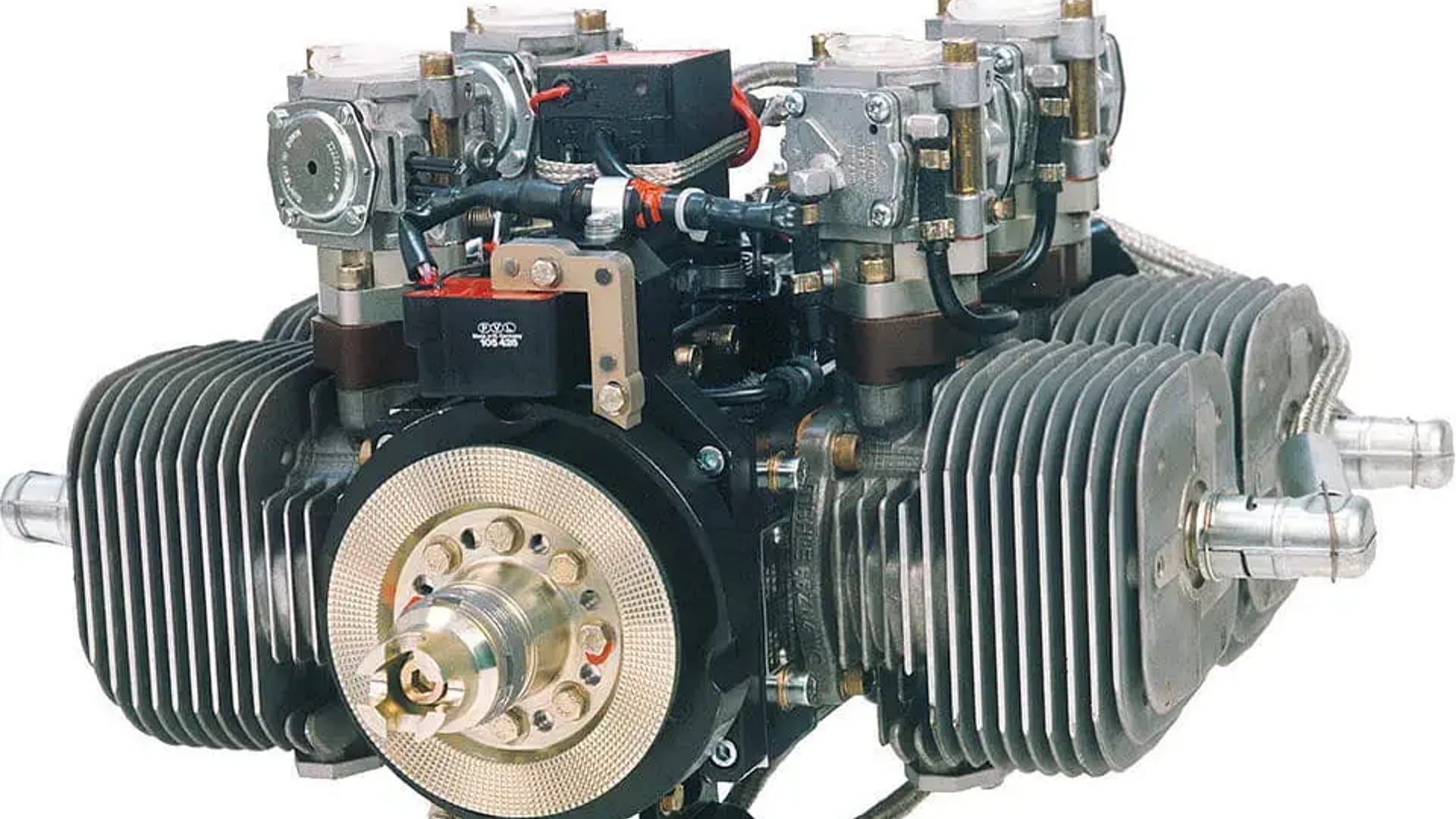
The MD-550 is reverse engineered from the Limbach L550E, a 550cc four-cylinder two-stroke petrol aircraft engine made in Germany.The munition is 3.5 metres long, with a wingspan of 2.5 metres, flies at over 185 kilometres per hour (115 mph), and weighs about 200 kilograms (440 lb).
Its range has been estimated to be anywhere from between 600 miles to as much as 1,600 miles. (1,000 - 2,500km)
GERAN-2
Shaheds were sold in bulk and in broken down form to be reassembled in Russia and were renamed as the Geran-2.
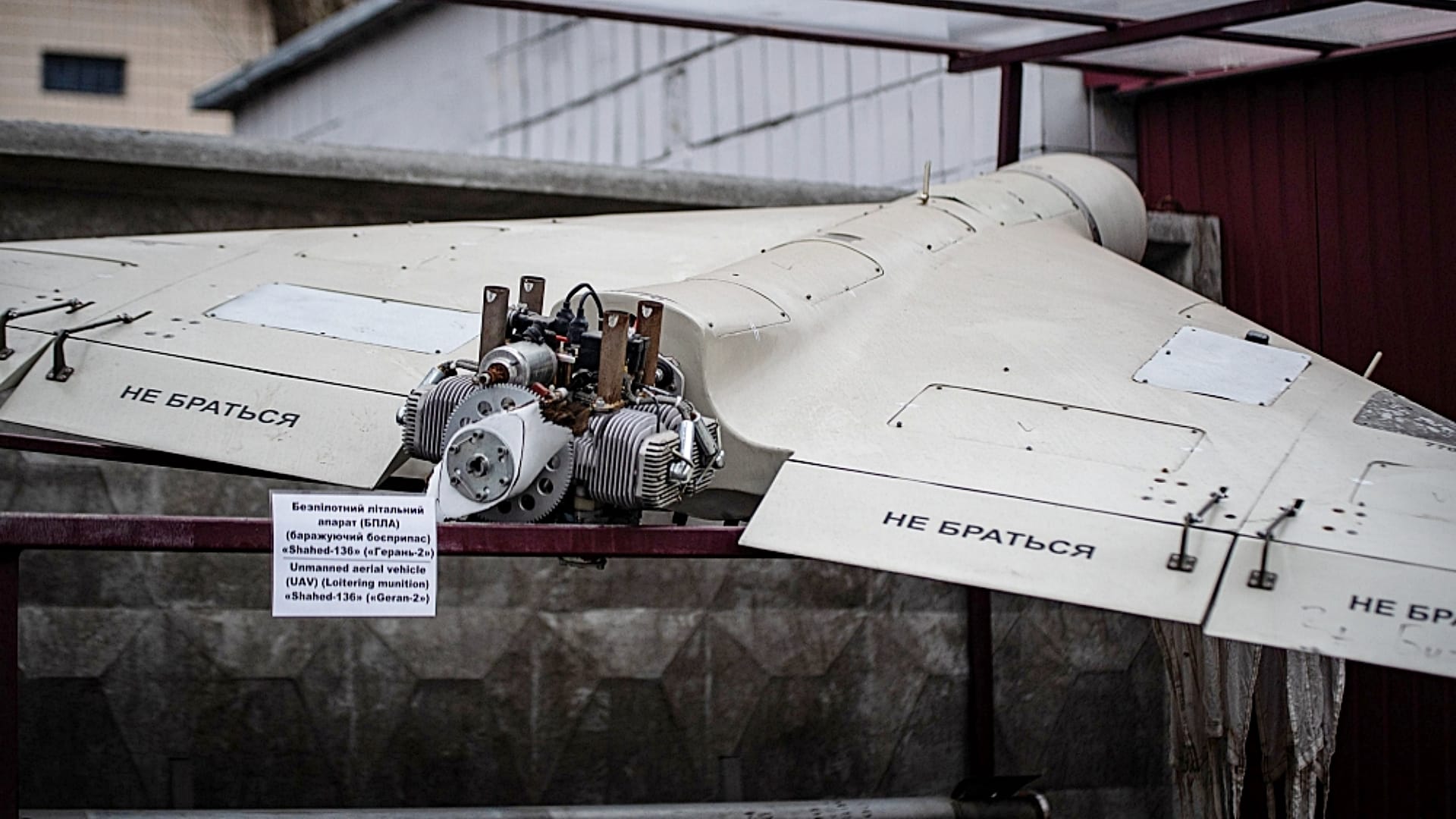
Later versions manufactured in Russia and have been significantly hardened and upgraded the Geran-2 from the Iranian design over many iterations, and has become independent of Iran in its development and manufacturing.
In December 2023, Ukraine found that the Russian-produced Geran-2 included 55 parts made in the United States, 15 from China, 13 from Switzerland, and 6 from Japan.
The Russian-manufactured Geran-2 is believed to have a "state-of-art antenna interference suppression" system that suppresses jamming of the satellite navigation position signal, designed by Iran using seven transceivers for input and an FPGA and three microcontrollers to analyse and suppress any electronic warfare emissions.
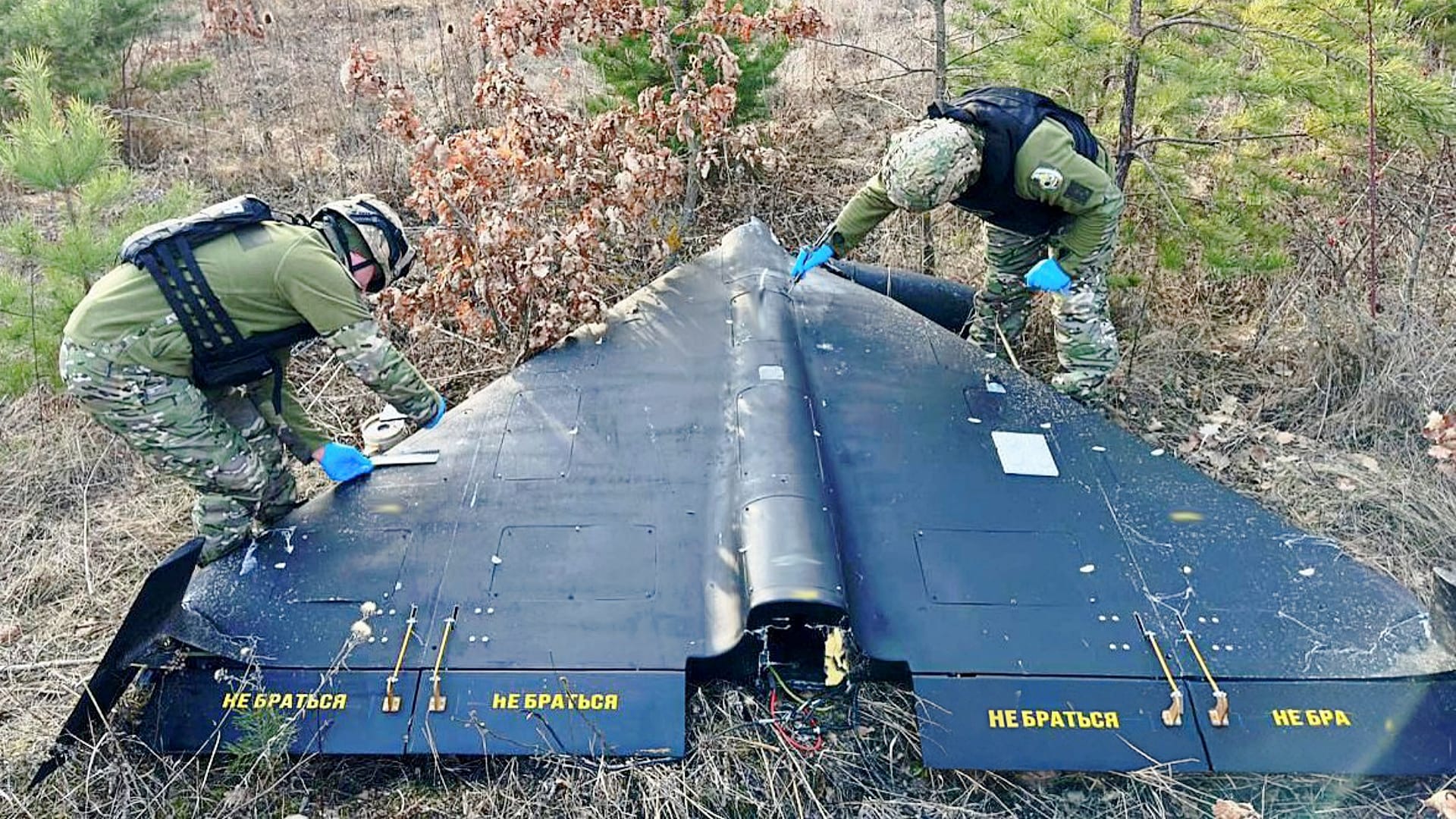
In September 2024, Ukrainian sources reported that the remains of a shot down Geran 2 included a Starlink satellite communications system providing internet connectivity over Ukraine, presumably to support real time video or electromagnetic spectrum surveys. Previously communication experiments had been conducted with 4G modems on the Ukrainian mobile phone network.
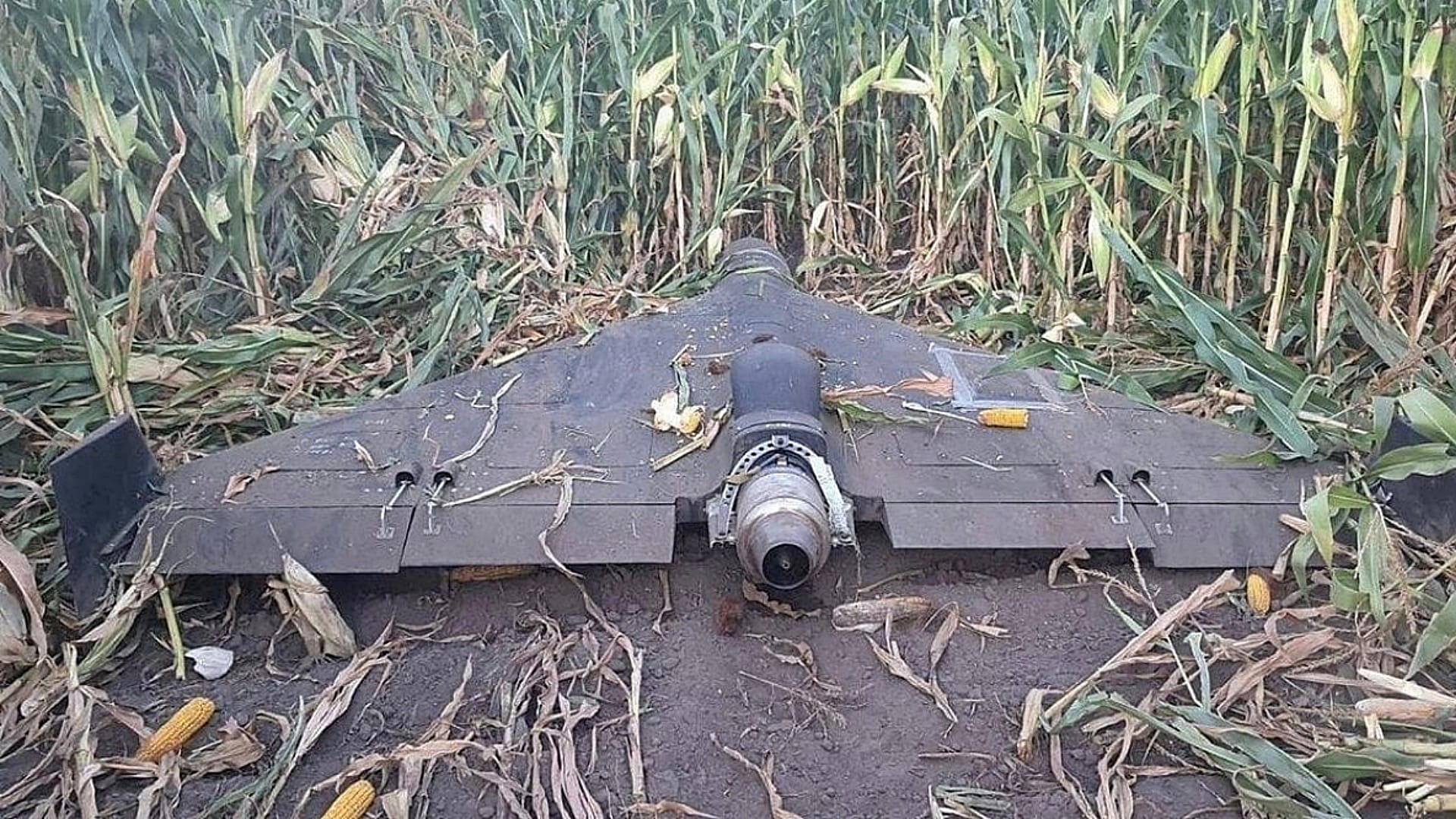
In February 2026 the remains of a reconnaissance version of the Geran-2 was found to contain a Raspberry Pi 5 microcomputer and a Russian-branded Mini PC computer running Windows 11, made in China, believed to be part of a vision processing system.
LUCAS
Last but not the least is the US-made LUCAS or Low-Cost Unmanned Combat Attack System announced in December 2025, The LUCAS system is based on Iran’s Shahed-136 one-way attack drone, which U.S. officials said was reverse-engineered after the military obtained an example of the Iranian design.
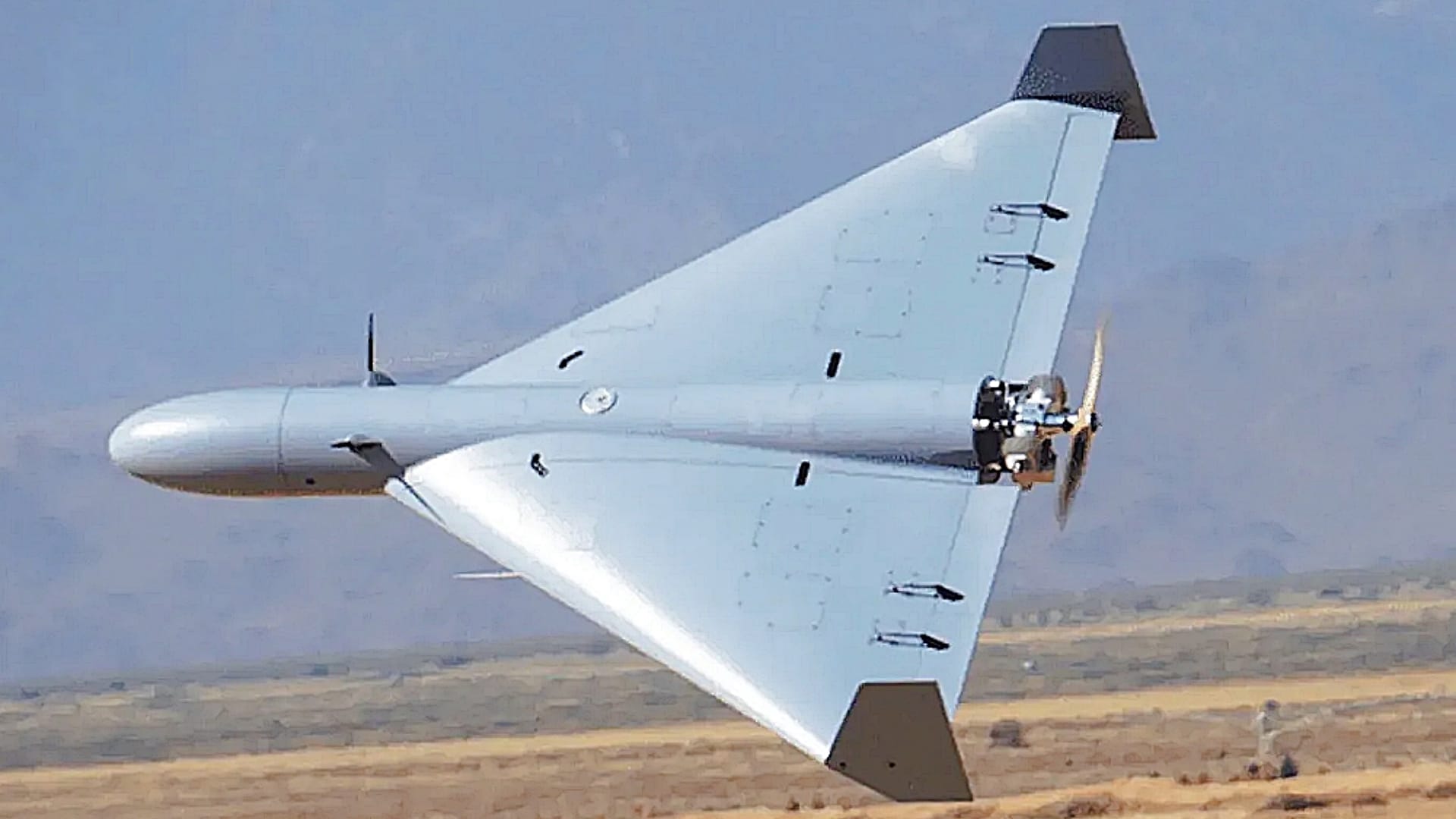
LUCAS has a wingspan similar to the Shahed-136 and it falls under Group 3 category drones. It has a range of 444 nautical miles (822 km), maximum speed of 105 knots (194 km/h), endurance of 6 hours, payload of 40 lb (18 kg) with a maximum weight of 190 lb (86 kg).
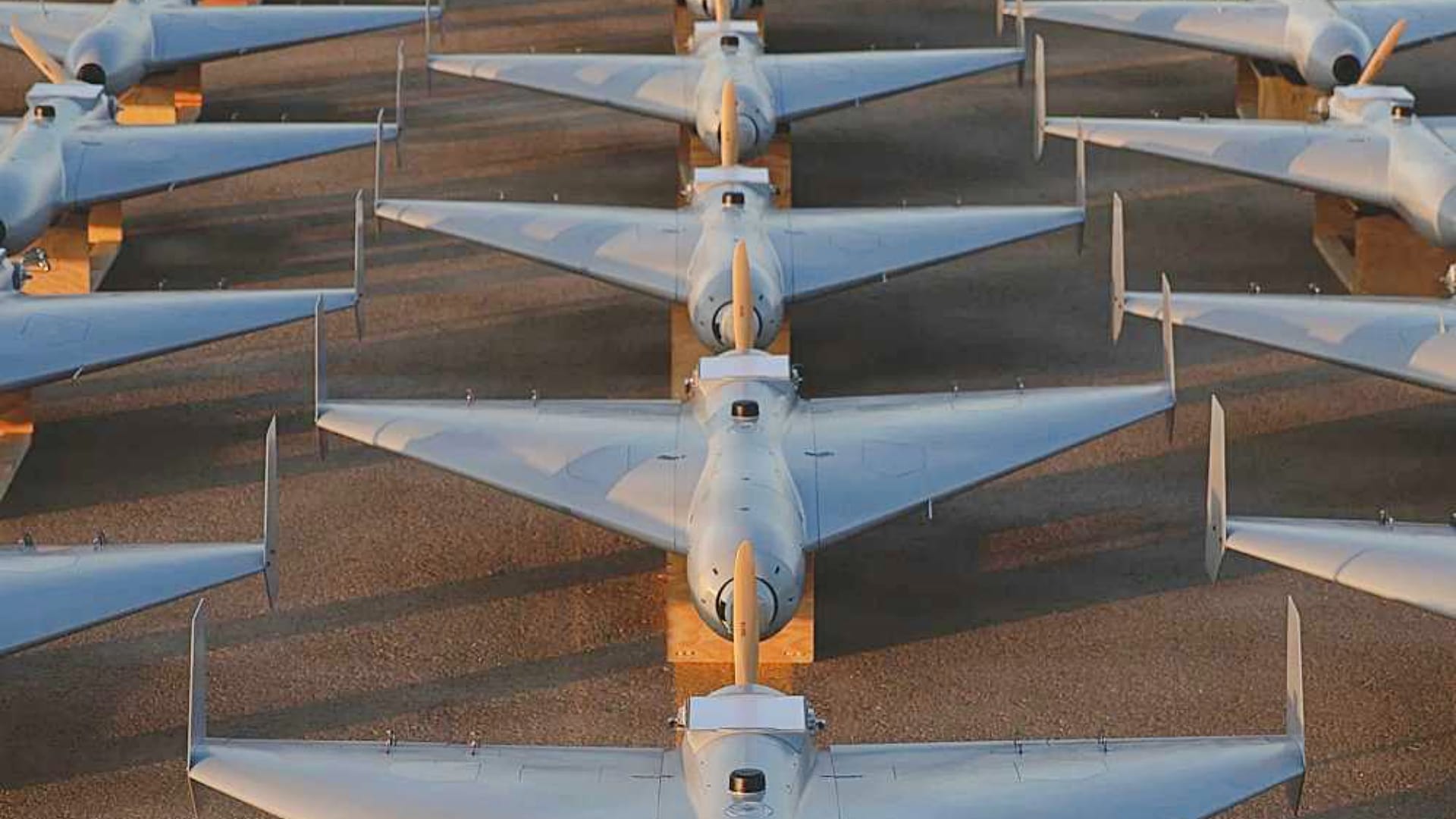
The LUCAS drone was developed by Arizona-based SpektreWorks, in cooperation with the U.S. military. The number built was not disclosed, but CENTCOM stated they had "an amount that provides us with a significant level of capability", and that build cost was about $35,000.
US Attacks Iran with Shahed Replicas
The U.S. military has used LUCAS kamikaze drones in combat for the first time, U.S. Central Command (CENTCOM) announced. The ground-launched drones were deployed by Task Force Scorpion Strike (TFSS), a unit established in December to “flip the script on Iran,” according to a U.S. official at the time.
The move marks a rare instance of the U.S. adopting and turning Iran’s own drone playbook against it.