Technology


Technology

Technology
MoonFall is part of the initial phase of NASA’s Moon Base initiative: a rapid series of robotic missions to scout, experiment, and prepare for astronaut surface operations.
Technology
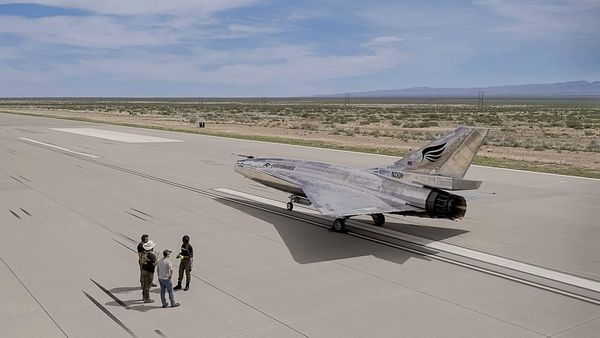
The historic flight cements Quarterhorse Mk 2.1 as the world’s first privately-developed unmanned supersonic jet and the fastest unmanned aircraft flying today. It also makes Hermeus the fastest company in aviation history to go from founding to supersonic flight.
Technology
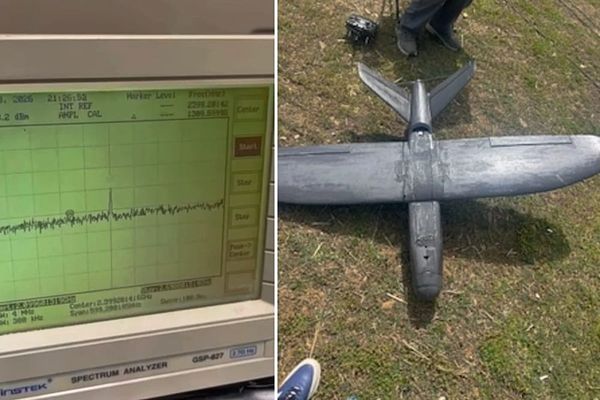
The material is designed to spray directly onto any aircraft surface, including drones, reducing the strength of the radar return signal the vehicle produces and making it significantly harder for detection systems to find.

Technology
Conceived under DARPA’s EWA effort, the demonstrator serves as a broader validation platform for Otto’s laminar-flow research, providing data applicable to future energy-relay UAV concepts
Technology
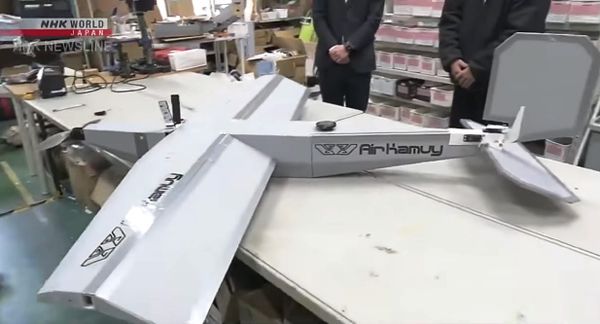
Built from corrugated cardboard, the drones are designed to be lightweight, inexpensive, and quickly produced in large numbers.

Testing
Bamboo fibre is known for its exceptional strength-to-weight ratio, making it an attractive alternative to traditional composite materials. During the initial test flight, the drone demonstrated stable performance and aerodynamic efficiency while reaching high speeds.
Military
Events
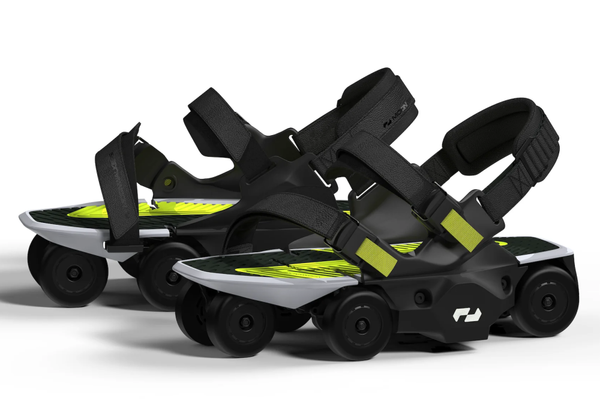
Shift Robotics’ newest model of robotic shoes are called Moonwalkers X, and they were unveiled at last week at CES 2024, America’s largest technology-focused convention and trade show. These newest robotic shoes from Shift Robotics are notable for several reasons (when compared to the original model of Moonwalkers)
Technology
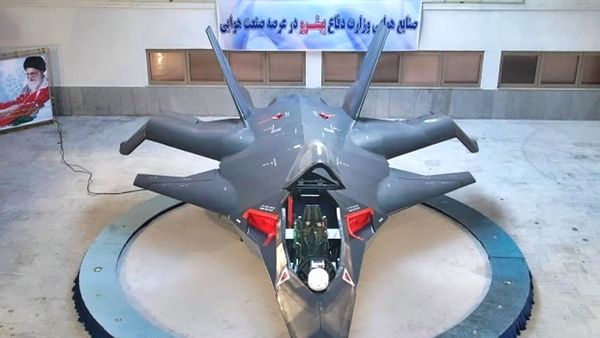
Iran has shown its great capability to reverse engineer U.S. military drones, and its unmanned aerial systems (UAS) program has made great leaps forward. In 2011, a Lockheed Martin RQ-170 "Sentinel" was intercepted and then copied to create a new drone with similar capabilities. This is
Technology
Ingenuity, which weighs about 4 pounds (1.8 kilograms) on Earth and has a fuselage about the size of a tissue box, started out six years ago as an implausible prospect. Engineers at NASA’s Jet Propulsion Laboratory in Southern California knew it was theoretically possible to fly in Mars’
Technology
NASA continues to make progress on the assembly of the X-59 Quiet SuperSonic Technology, or QueSST, aircraft, while overcoming challenges presented by the global pandemic. As early as 2024, NASA plans to fly the X-59 QueSST over select communities to gather information about how the public perceives the