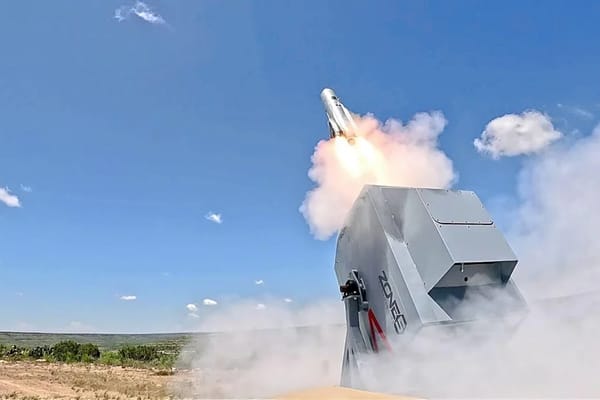
Super Quiet Special Operations Drones Being Modified to Launch Smaller Drones
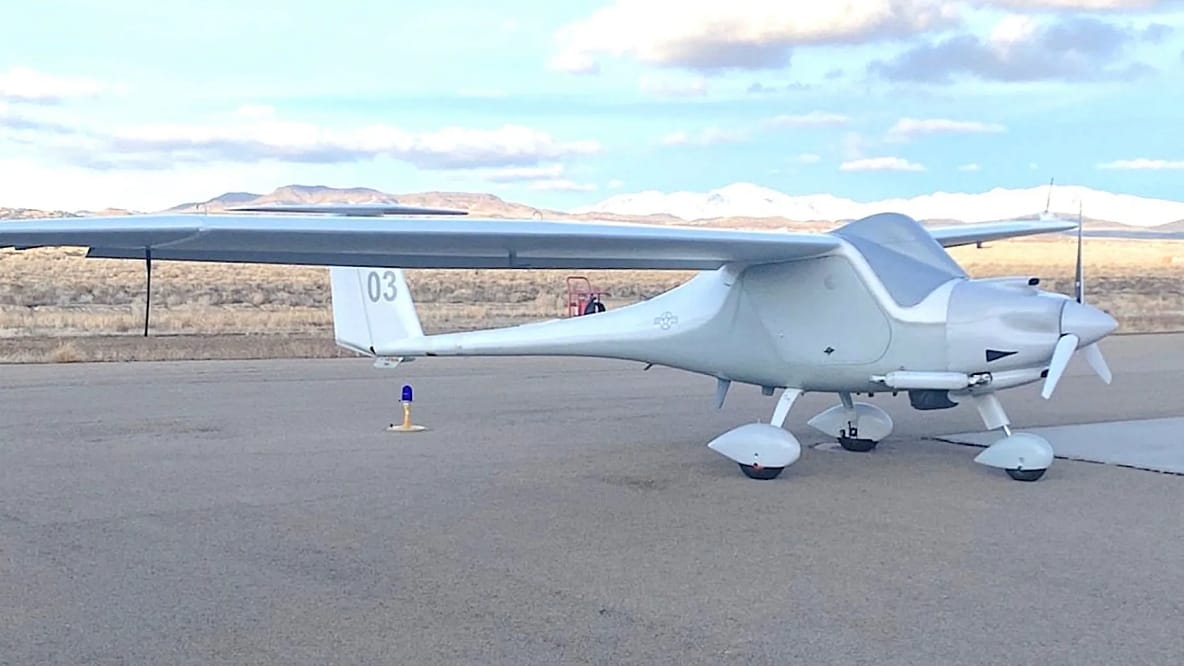
U.S. special operations Long Endurance Aircraft (LEA) surveillance drones, which are based on a popular civilian powered glider design, are set to gain the ability to launch smaller uncrewed aerial systems. An air-launched drone capability is a huge force multiplier for the ultra-quiet LEAs, with their innocuous outward appearance, that opens up the possibility of employing them in new ways, including using them to conduct kinetic strikes.
U.S. Special Operations Command’s (SOCOM) portion of the Pentagon’s recently released budget request for the 2026 Fiscal Year includes an update on plans for the LEA fleet. SOCOM is not asking for any additional money for the LEA program in the upcoming fiscal cycle and is also axing work on a successor LEA UAS Next Generation drone.
The plan now, instead, is to “realign previously requested FY 2025 funding from LEA UAS Next Generation aircraft development to Long Endurance Aircraft (LEA) UAS Payload Prototypes and Integration to procure and integrate Air Launched Effects (ALE) payloads and a communication system upgrade to the existing LEA platform,” according to the SOCOM budget documents.
In a low-intensity context, ALEs could enhance the LEA’s existing capabilities by extending its sensor reach without having to directly fly over the target area, further reducing the chance of being detected and otherwise being vulnerable to enemy action. With their discreet appearance and very quiet nature, the LEAs are already ideal platforms for persistent surveillance in permissive environments, where they can help to establish the so-called “patterns of life” of specific individuals or small groups.
It’s also worth noting here that there have been a number of other ultra-quiet and long-endurance drone programs in recent years. This includes the Air Force’s Unmanned Long-endurance Tactical Reconnaissance Aircraft (ULTRA), a design very broadly similar to the LEA based on a commercial sport glider, and that has also been employed in operations in the Middle East and reportedly over Afghanistan.
There are also efforts more tailored to operations in higher-threat environments, like the Defense Advanced Research Projects Agency’s (DARPA) XRQ-73A Series Hybrid Electric Propulsion AiRcraft Demonstration (SHEPARD) project and the Air Force’s GHOST program.
The XRQ-73A design evolved directly from an earlier drone called the XRQ-72A Great Horned Owl that the U.S. Intelligence Community developed in cooperation with the Air Force.
Source: The War Zone