StormShroud Marks the Future of UK Air Combat Power
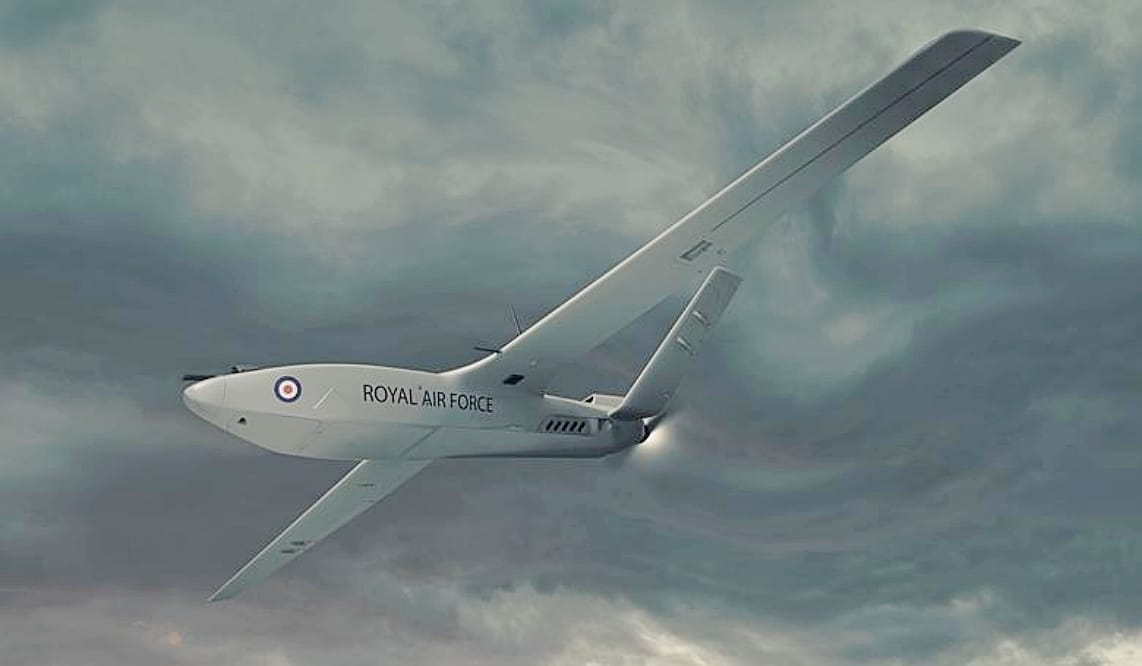
The UK RAF has introduced a new unmanned aircraft into operational service called StormShroud. It is the first of a new family of Autonomous Collaborative Platforms (ACP) which will revolutionise the RAF’s advantage in the most contested battlespaces.
StormShroud will support RAF F-35B Lightning and Typhoon pilots by blinding enemy radars, which increases the survivability and operational effectiveness of our crewed aircraft. Unmanned Air Systems (UAS) are not new to the RAF, and StormShroud has been developed using lessons from the ongoing conflict in Ukraine, as well as other operational theatres around the world.
The RAF's exploration of ACPs is part of its broader strategy to embrace technological advancements and maintain its position as a world-leading air force. The ACP Strategy is clear that the best way to optimise our strength against increasingly sophisticated adversaries is through a blend of crewed and unmanned autonomous platforms operating together. It’s a more agile, adaptable and cost-effective model that significantly reduces the risks faced by pilots in conventional aircraft when flying and fighting in hostile environments. UAS have revolutionised modern warfighting, both offensively and defensively, as recent conflicts ranging from Ukraine to the Middle East have shown. In a world of increasing threat to the UK and our NATO allies, StormShroud will serve as a powerful deterrent to potential aggressors.
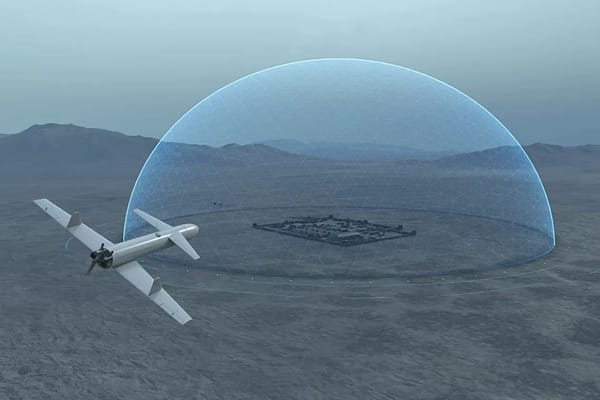
The platform for StormShroud, the Tekever AR3, is manufactured in west Wales and Southampton, delivered through a contract reflecting the platform’s proven capabilities in Ukraine. The AR3 will carry Leonardo UK’s BriteStorm electronic warfare payload, which is manufactured in Luton. It features radar jamming capability that disrupts enemy Integrated Air Defence Systems, improving the survival rate and operational effectiveness of our crewed aircraft.
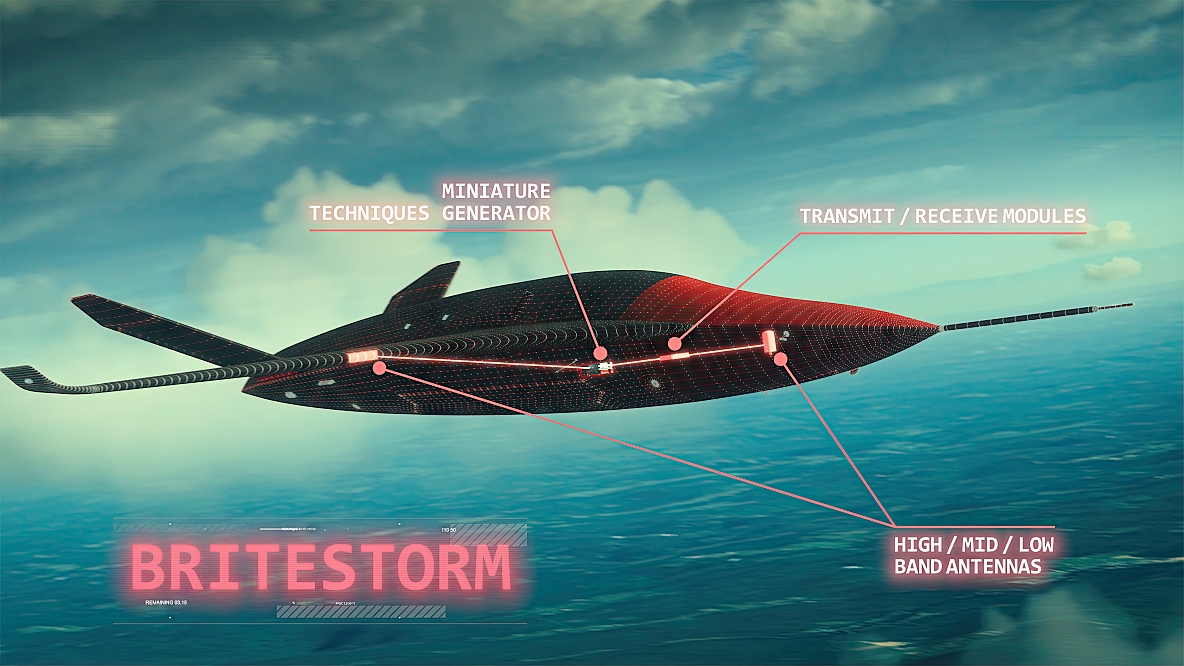
StormShroud has been developed in the UK by the RAF’s Rapid Capabilities Office, the Catalyst team in Defence Equipment & Support (DE&S), Defence Science and Technology Laboratories (DSTL), and UK industry. The RAF will continuously improve the tactics, platform capability, and payload effects to remain ahead of adversary threats.
The delivery of StormShroud marks a significant step for the RAF and Defence in the journey of integrated autonomous systems into front line operations. StormShroud is one of the first RAF high-risk capabilities; where cutting edge technology is brought into service with a balanced and risk-aware approach to assurance, avoiding excessive time and cost penalties. Lessons learned from the war in Ukraine have boosted StormShroud’s production and it’s taken just a year from the Urgent Capability Requirement (UCR) being endorsed to delivering the new capability, significantly reducing programme time and costs. This will allow the RAF to defend against adversaries with greater numbers whilst updating our capabilities much faster than traditional approaches would allow.
"This is a seminal moment for the RAF to maintain our advantage in Air Combat and national security. The RAF is committed to exploring cutting-edge technologies that can enhance its lethality and survivability in a more contested and dangerous world. Autonomous collaborative platforms will revolutionise how we conduct a range of missions, from intelligence gathering to strike and logistical support. We are excited to be at the forefront of this innovation and are working closely with industry partners to explore the possibilities.”
Air Chief Marshal Sir Rich Knighton, Chief of the Air Staff
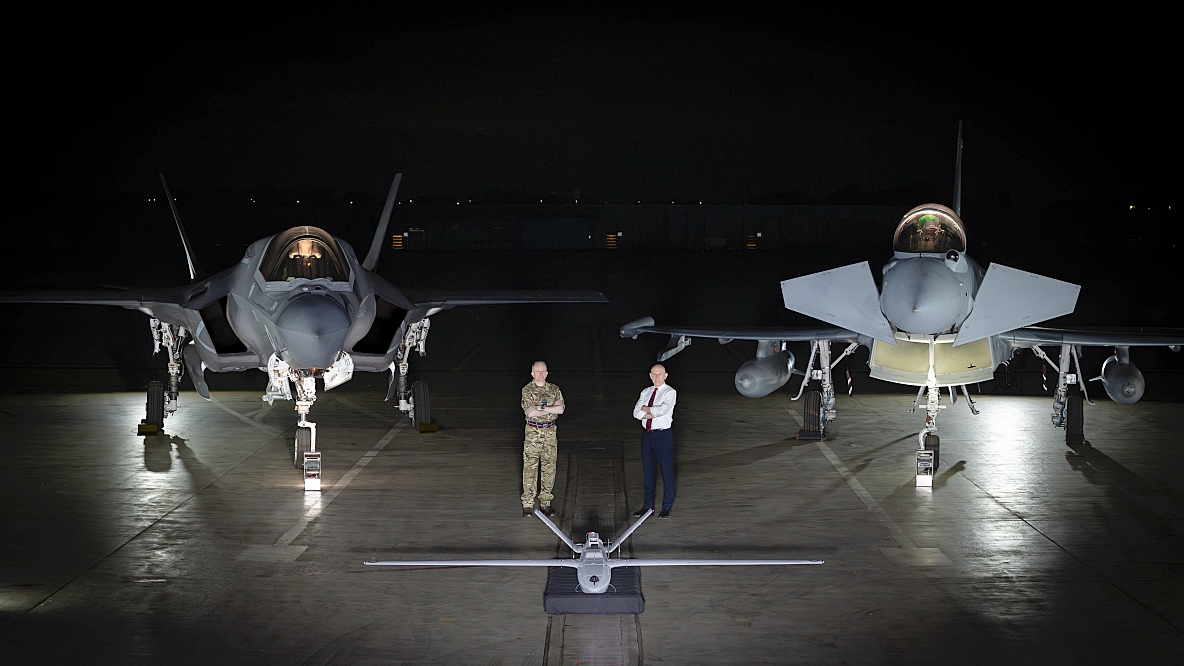
StormShroud will be operated by 216 Squadron, supported by the RAF Regiment, and made up of Regular RAF, Royal Auxiliary Air Force (RAuxAF), alongside other UK Defence personnel. Squadron personnel will be trained to operate in small teams and in high threat environments. RAuxAF personnel are an essential part of 216 Squadron, supporting activities such as launch and recovery of StormShroud as well as the critical liaison and integration with RAF F-35B Lightning and Typhoon FGR4 squadrons. This makes StormShroud a truly collaborative capability, improving the survivability and lethality of crewed aircraft.
The RAF is investing an initial £19 million into the cutting-edge drones, which are made in the UK and directly support 200 highly skilled engineering jobs at multiple UK locations already from West Wales to Somerset, with further opportunities expected in future. StormShroud is just the first of a family of next-generation drones - known as Autonomous Collaborative Platforms (ACPs) - being delivered to the RAF.
The Tekever AR3 and AR5 have had extensive use on the frontline fighting Putin’s illegal war, racking up more than 10,000 hours of flight for Ukraine’s forces. The RAF is taking the next step by integrating best-in-class signal scrambling technology into the drones to boost the UK’s defences at home, as the Prime Minister steps up UK defence capabilities to counter complex threats in the face of global instability.
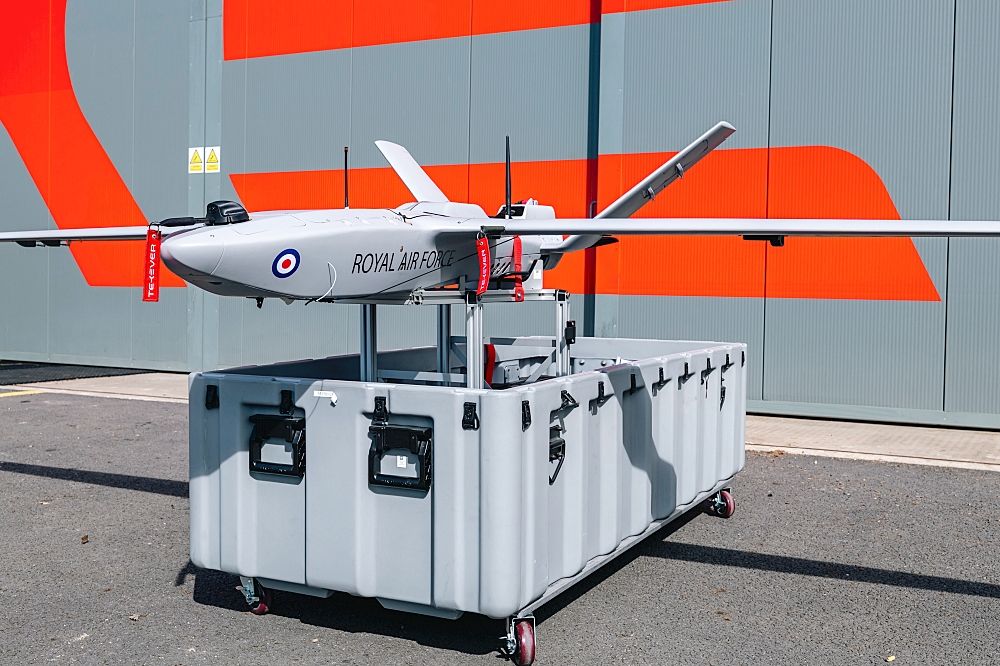
In a further vote of confidence in Britain’s defence industry, British-Portuguese tech company Tekever, who manufacture the drones in the UK, plan to invest a further £400 million over the next 5 years across the UK and create up to 1,000 more highly skilled jobs.
The Prime Minister visited a Leonardo UK site in the South East to see first-hand the expertise that goes into manufacturing the drones, and meeting the staff involved in delivering it, including many engineering apprentices representing the next generation of British defence industry excellence.
Prime Minister Keir Starmer said:
Together with our allies, this government is taking the bold action needed to stand up to Putin and ruthlessly protect UK and European security, which is vital for us to deliver our Plan for Change and improve lives of working people up and down the country.
It is a privilege to meet and learn from the young minds driving innovation in defence technology, and we will continue to invest in the industries of the future to deliver security and opportunity for the British people through our Plan for Change.
Sources: UK Prime Minister's Office; Royal Air Force;