SpaceX Disables Starlink Terminals on Russian Strike Drones
SpaceX implemented technical restrictions to block Starlink use on Russian strike drones following a request from Ukraine’s Ministry of Defence. The measures disable Starlink terminals on high-speed platforms, limiting Russian UAV command and control capability.
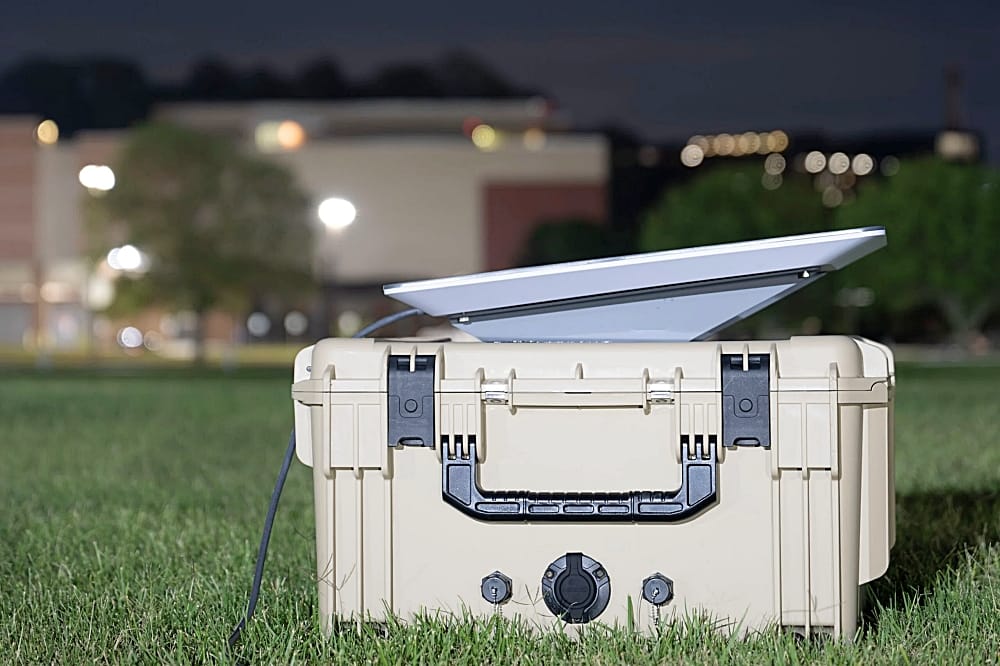
According to Ukrainian authorities, Russian forces in recent weeks began using attack drones equipped with Starlink terminals to conduct strikes against military targets inside Ukraine. The issue was raised urgently with SpaceX after Russian drones using satellite connectivity were detected operating over Ukrainian cities.
Ukraine’s Minister of Defence Mykhailo Fedorov said the defence team contacted SpaceX immediately and proposed technical steps to stop the unauthorized use of the system.
“Within hours of reports that Russian drones equipped with Starlink connectivity were operating over Ukrainian cities, the Ministry of Defence team promptly contacted SpaceX and proposed concrete ways to resolve the issue,”
Fedorov wrote on January 29.
He later confirmed that SpaceX responded without delay and began implementing technical restrictions to disable Starlink terminals when used on Russian unmanned systems.
“I am grateful to SpaceX President Gwynne Shotwell and personally to Elon Musk for their swift response and for immediately beginning work on a solution,”
Fedorov said in a follow-up post.
According to information shared by Ukrainian and Russian open-source monitoring groups, the countermeasures include speed-based restrictions that disable Starlink terminals when movement exceeds 75–90 kilometers per hour. This limitation prevents the terminals from functioning on fast-moving platforms such as strike drones, while preserving service for ground-based users and slower-moving systems.
The measures were reportedly introduced to counter Russian BM-35 and “Molniya” attack drones that had been modified to carry Starlink terminals for long-range navigation and command-and-control during strike missions.
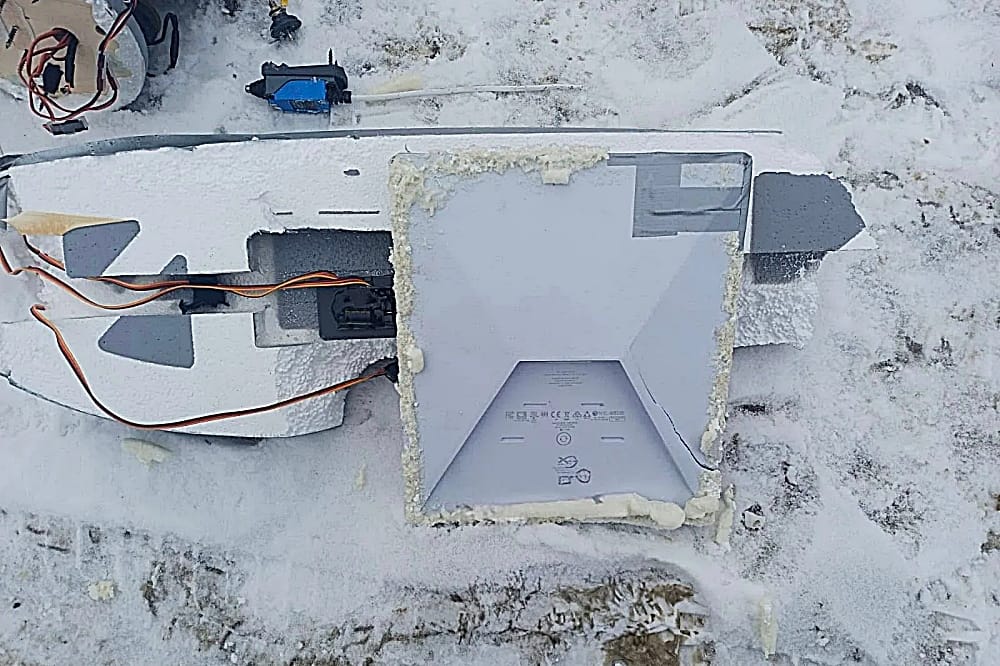
SpaceX founder Elon Musk publicly confirmed that the steps taken appear to have been effective.
“Looks like the steps we took to stop the unauthorized use of Starlink by Russia have worked,” Musk wrote. “Let us know if more needs to be done.”
Fedorov later responded that the initial actions were already producing results and that further coordination was underway.
“The first steps are already delivering real results. We are working very closely with your team on the next important steps. Thank you for standing with us. You are a true champion of freedom and a true friend of the Ukrainian people,”
Fedorov wrote.
Serhii Beskrestnov ("Flash"), an adviser to Ukrainian Defence Minister Mykhailo Fedorov, said this in a post on Telegram, Ukrinform reports.
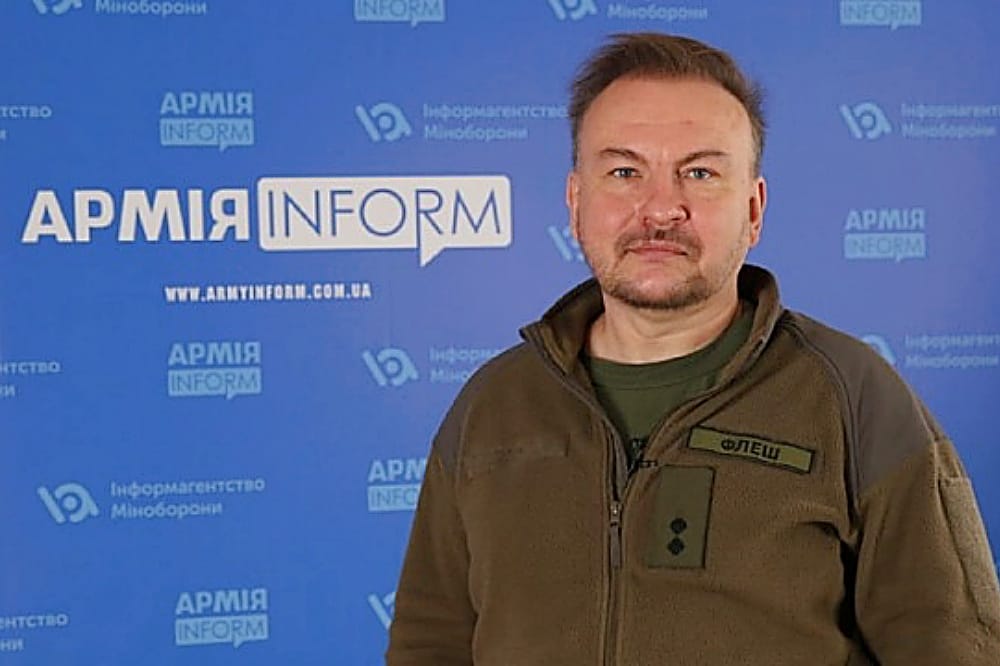
According to him, many users of the Starlink satellite communications system in Ukraine are already observing the first countermeasures taken by SpaceX at the ministry's request.
"I cannot publicly disclose everything that has already been done, is being done, and will be done, but all these actions are aimed at one goal: protecting the people of our country (both military and civilian) and our infrastructure facilities from the threat posed by the enemy's attack UAVs,"
Beskrestnov said.
He stressed that the current solutions are temporary (or emergency measures) and will be replaced by a global, well-thought-out solution that will take time to implement.
In his opinion, the time has long come to collect nationwide information on SpaceX service users in the military.
"I won't hide it – such attempts have already been made, but many soldiers who use volunteer-provided Starlinks and personal Starlinks did not want to provide information to their command. What if a commander takes it away, or a new one is not issued, or something else happens? We will definitely come up with a way to collect this information across the military so that soldiers trust us with it," Beskrestnov said.
Starlink terminals have played a central role in maintaining Ukraine’s communications network since the early days of Russia’s full-scale invasion, supporting military command-and-control, drone operations, and civilian connectivity during repeated attacks on infrastructure. The system was first deployed to Ukraine in large numbers in early 2022 after Musk approved emergency deliveries to support the country’s resilience.
SpaceX has previously taken steps to restrict Starlink usage for offensive operations, while continuing to provide service for defensive and civilian purposes.
Sources: Defence Blog; Ukrinform