Serbia’s PEGASUS UAV now with Emirati-made RASH-2M Guided Munition Kit
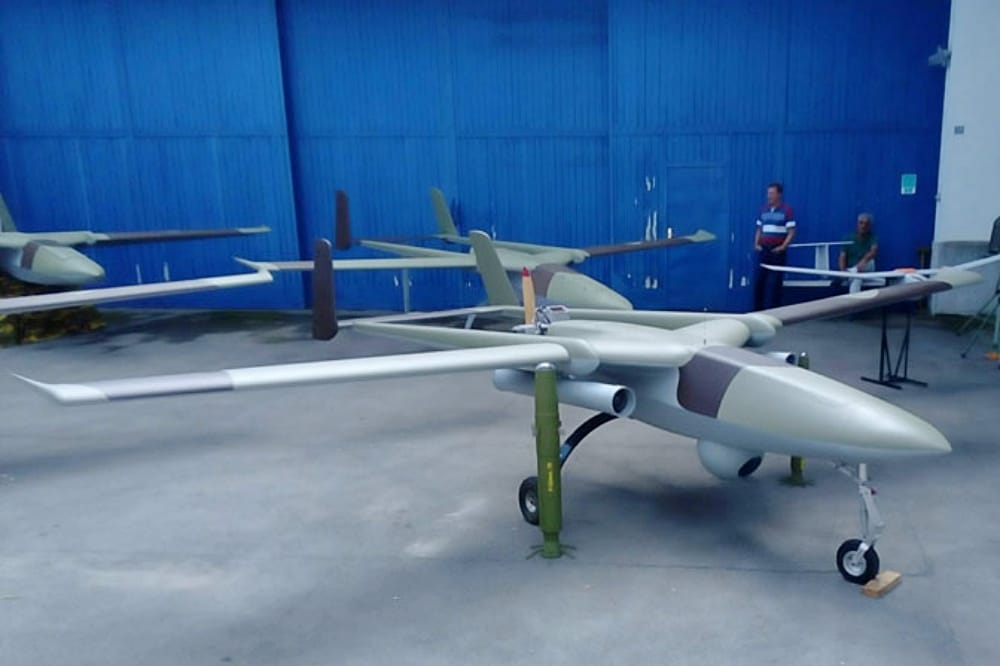
At the Partner 2025 defense exhibition in Belgrade, Serbia unveiled its latest unmanned aerial system (UAS): the domestically developed PEGASUS drone equipped with the Emirati-made RASH-2M guided munition kit. This pairing signals a notable evolution in Serbia’s indigenous UAV capabilities and reflects growing cooperation between Serbian and Middle Eastern defense industries.
The platform introduces a low-cost precision-strike and ISR (intelligence, surveillance, reconnaissance) capability that could alter regional tactical balances.
PEGASUS UAV: A Tactical MALE-Class Platform
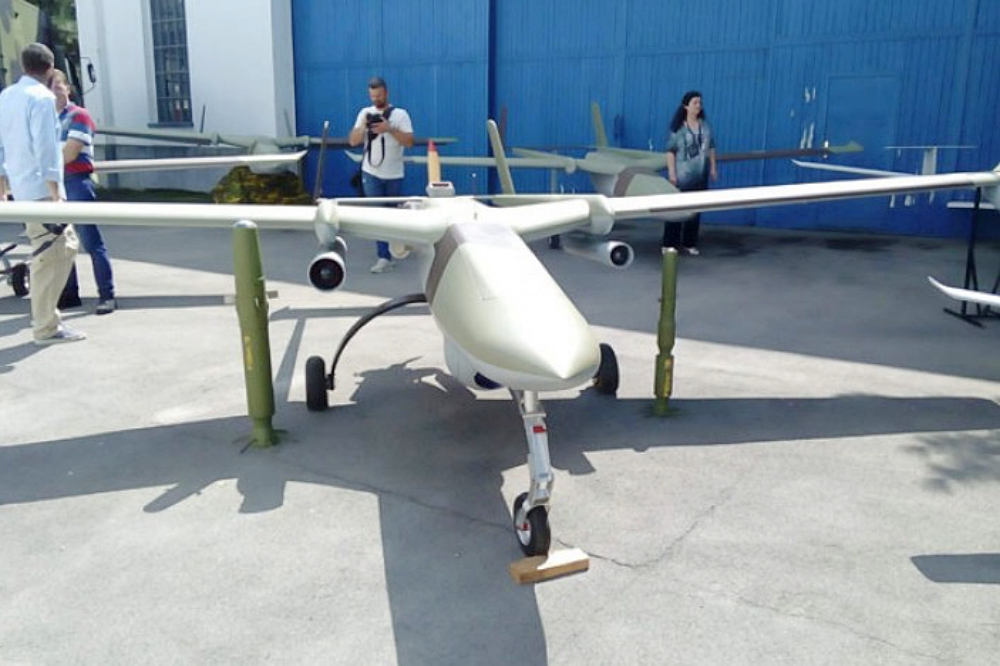
The PEGASUS is a medium-altitude long-endurance (MALE)-class unmanned aerial vehicle developed by Serbia’s Military Technical Institute (VTI) in collaboration with local defense firms. While full specifications have not been publicly disclosed as of September 2025, open-source imagery and statements from Serbian officials suggest a wingspan of approximately 6–8 meters and an endurance exceeding 12 hours. The airframe features twin-boom tail architecture similar to Israeli Heron or Turkish ANKA drones.
The platform is designed for modular payload integration. At Partner 2025, it was showcased carrying an electro-optical/infrared (EO/IR) gimbal turret for day/night ISR missions and two underwing munitions—the RASH-2M kits mounted on standard gravity bombs. This confirms weaponization of the PEGASUS for precision-strike roles beyond reconnaissance.
RASH-2M Kit: Precision Guidance from the UAE
The RASH family of guidance kits is developed by Halcon Systems (part of EDGE Group), based in the United Arab Emirates. The RASH-2M variant converts standard Mk81-class bombs into lightweight guided munitions using GPS/INS navigation and aerodynamic control surfaces. The “M” designation typically implies mid-range capability within the family.
RASH kits are intended for light aircraft or drones with limited payload capacity—making them ideal for platforms like PEGASUS. The addition of such munitions provides Serbian forces with cost-effective air-to-ground strike options without requiring advanced jet aircraft or expensive glide bombs.
While exact range figures remain undisclosed for this configuration, similar systems offer standoff distances between 10–15 km depending on release altitude. This allows engagement from outside short-range air defenses—a critical factor in modern contested environments.
Strategic Implications for Serbia’s Defense Posture
The unveiling of the armed PEGASUS drone marks a significant step forward in Serbia’s indigenous unmanned combat capabilities. Until now, Serbia has relied primarily on tactical-class drones like CH-92A (acquired from China) or unarmed ISR platforms such as Vrabac or Pegaz variants.
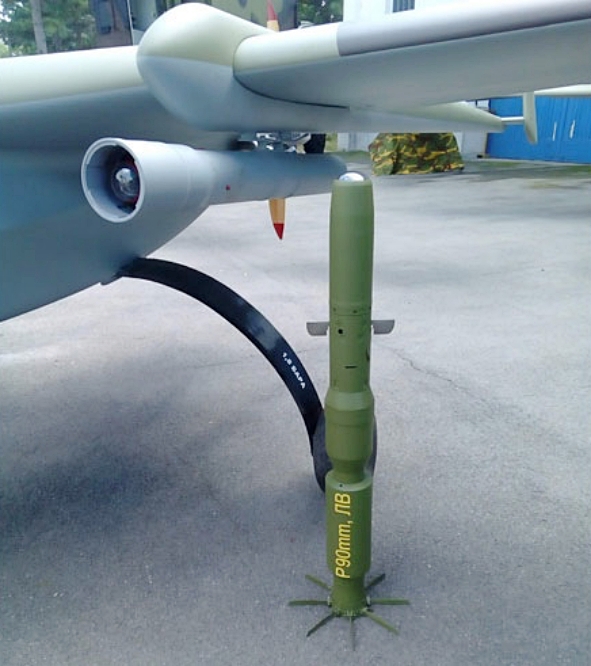
The integration of precision-guided munitions onto a domestically-produced MALE-class drone indicates strategic intent to develop sovereign strike capabilities without reliance on NATO-aligned suppliers—a key concern given geopolitical frictions in the Balkans.
- Operational flexibility: Enables real-time ISR and immediate kinetic response without manned aircraft deployment.
- Export potential: A low-cost armed UAS may appeal to non-NATO countries seeking affordable alternatives to Bayraktar TB2s or Iranian Mohajer drones.
- Tactical autonomy: Reduces dependence on foreign targeting assets by integrating EO/IR sensors and GPS-guided munitions into one platform.
Bilateral Ties with UAE Defense Industry Deepen
The presence of Emirati technology on Serbian platforms reflects deepening military-industrial ties between Belgrade and Abu Dhabi. EDGE Group has been actively expanding its footprint across Eastern Europe and Central Asia through technology transfers and joint ventures.
This collaboration may provide mutual benefits:
- For Serbia: Access to mature guided munition technology without Western export restrictions; potential co-production opportunities via licensed assembly lines.
- For UAE: Entry into Balkan markets; demonstration of EDGE products on operational platforms beyond Gulf theaters; diversification away from traditional buyers like Egypt or Jordan.
A Shifting Regional Drone Landscape
The introduction of PEGASUS-RASH represents another node in the rapidly evolving drone ecosystem across Southeastern Europe. Turkey’s Bayraktar TB-series has already reshaped conflicts from Libya to Nagorno-Karabakh; meanwhile Greece is pursuing MALE-class UAS programs such as Archytas and Grypas alongside Israel’s Hermes series deployments.
If successfully fielded at scale by Serbian forces—or exported regionally—the PEGASUS could become a disruptive factor among second-tier militaries seeking affordable but capable UCAVs (unmanned combat aerial vehicles).
Challenges Ahead
- C4ISR Integration: Effective use requires robust command-and-control networks; current Serbian C4ISR infrastructure may need upgrades to fully exploit long-range UAVs.
- Sustainment & MRO: Indigenous production must be matched by reliable maintenance pipelines—especially if deployed abroad under export deals.
- Aerial Threat Environment: Without stealth features or EW countermeasures, PEGASUS remains vulnerable to SHORAD systems unless used judiciously within permissive airspace or under IADS coverage.
Next Steps & Fielding Timeline
No official induction timeline has been confirmed by Serbian MoD as of late September 2025. However, given its public debut at Partner 2025 with live munition mounts, initial testing phases are likely complete or near completion. Serial production could begin within 12–18 months if funding aligns under Serbia’s ongoing military modernization program through 2030.
Conclusion: A Modest but Strategic Leap Forward
The PEGASUS-RASH combination may not rival Tier-1 UCAVs like MQ-9 Reaper or Wing Loong II in range or payload—but it offers an asymmetric value proposition tailored to Serbia’s budgetary constraints and geopolitical posture. By combining indigenous airframes with accessible foreign guidance tech, Belgrade is crafting a sovereign strike drone capability that could influence both domestic deterrence calculus and regional arms dynamics across Southeast Europe and beyond.
Top Photo: Serbia’s PEGASUS unmanned aerial vehicle on display - Cyberspec1 via X
Source: Milivox