Russia Deploys Chinese Radars to Track Ukrainian Drones
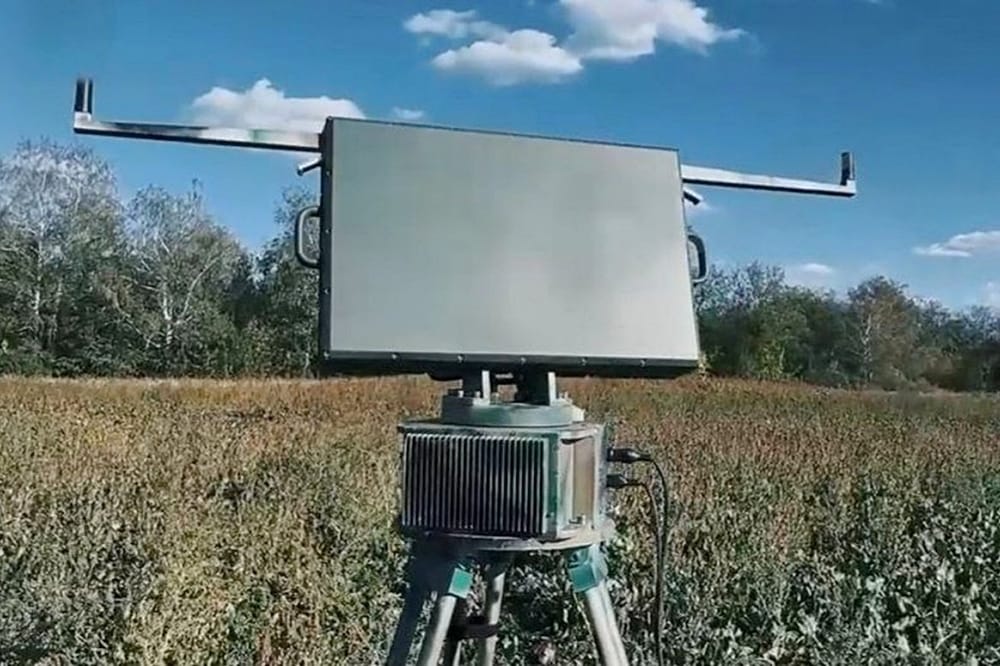
Russian air defense units are now equipped with Chinese radar systems designed to detect and track unmanned aerial vehicles. The technology is being integrated into counter-drone units to enhance targeting and guidance of FPV interceptors used against Ukrainian drones.
Russian forces have acquired FSTH-LD02 and FSTH-LD03 radar systems manufactured by Zhejiang Fanshuang Technology. These compact, all-weather radars are described as the “eyes” of Russian anti-drone teams and are now being fielded alongside interceptor drones across multiple units.
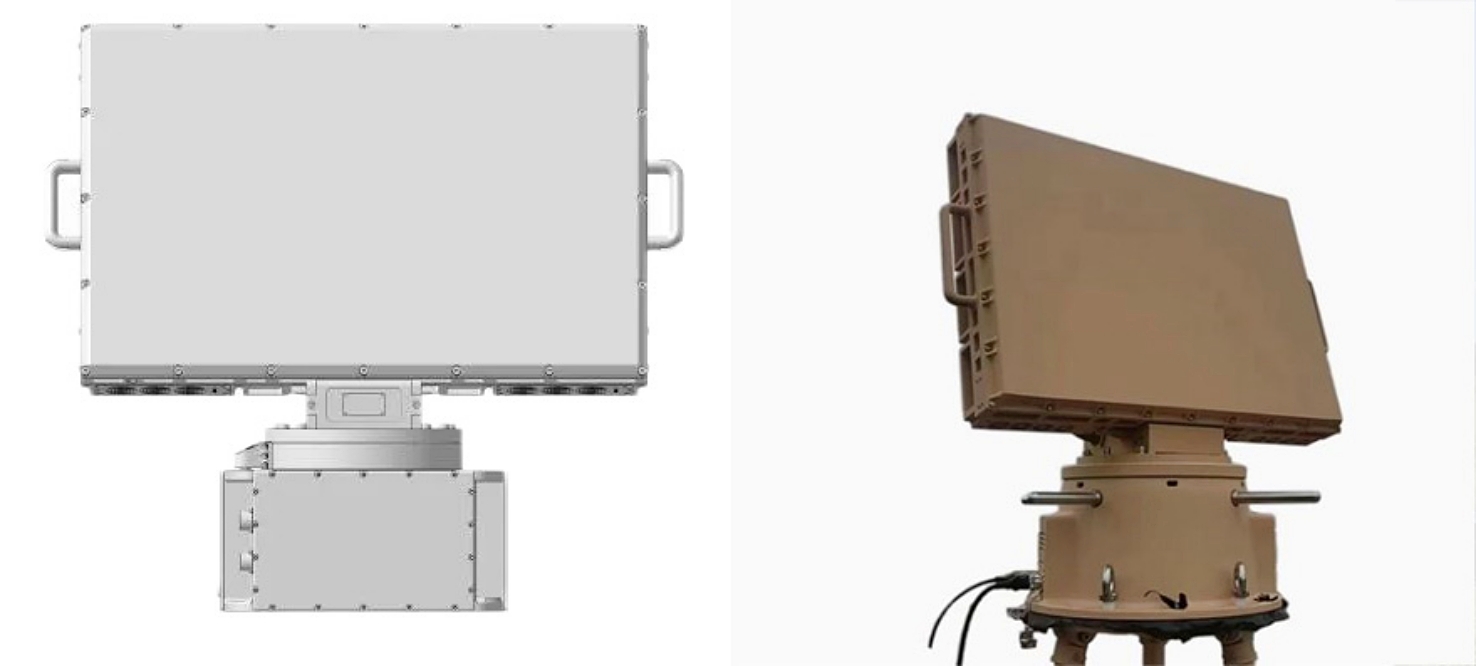
The FSTH-LD03 radar uses a digital antenna array and operates in the X-band frequency range between 8 and 12 GHz, with a wavelength of 3.75 to 2.5 cm. It employs mechanical azimuth scanning and has a stated detection range of up to 15 kilometers against targets with a radar cross-section of 0.01 square meters. Detection accuracy is reported at 10 meters for range and 0.3 degrees for both azimuth and elevation.
The FSTH-LD02 functions on a similar principle but operates in the Ku-band (12–18 GHz, with wavelengths between 2.5 and 1.67 cm). Its maximum detection range is 10 kilometers for targets of the same size, but it offers higher precision — up to 5 meters in range and 0.3 degrees in azimuth and elevation.
Both radars have technical limitations that operators must account for. They feature blind zones of approximately 300 meters (for the LD03) and 150 meters (for the LD02), and are unable to track objects moving at speeds below 1 meter per second. Although the manufacturer has not disclosed dimensions, the systems are estimated to measure roughly 1 to 1.3 meters in length and 0.6 to 0.8 meters in height.
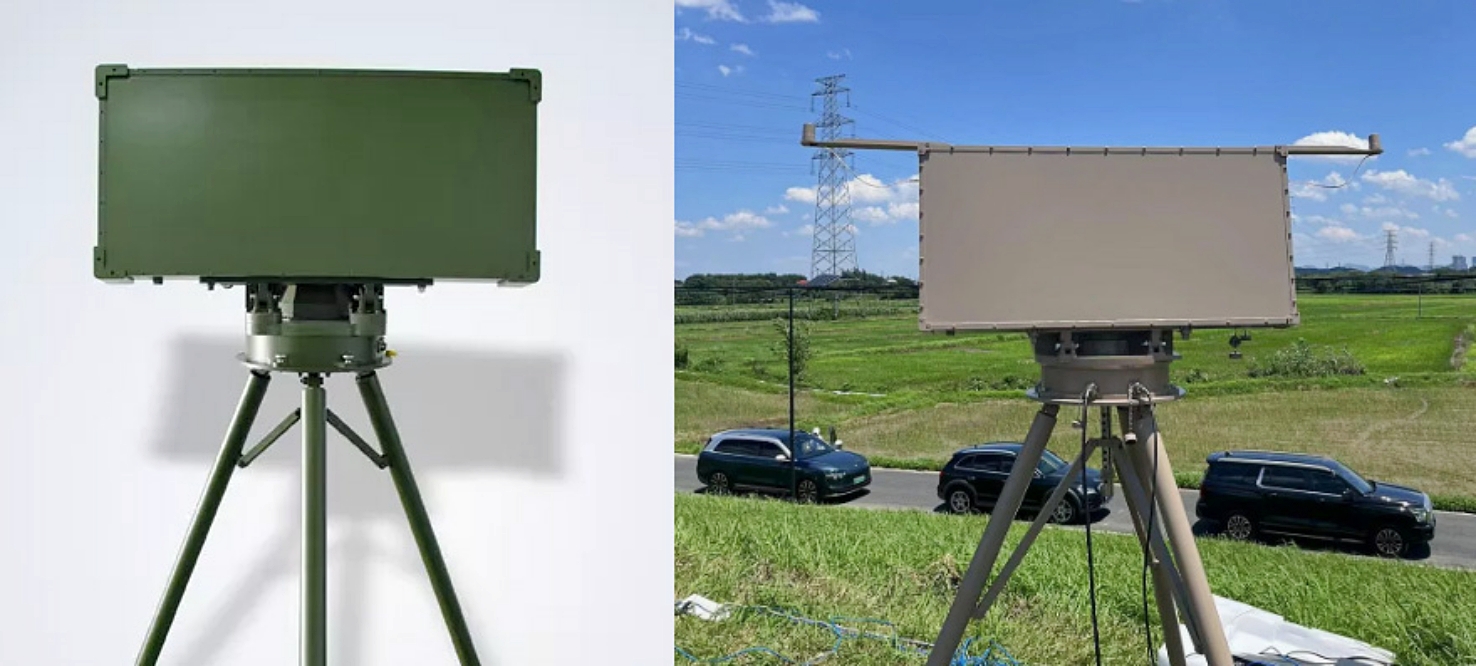
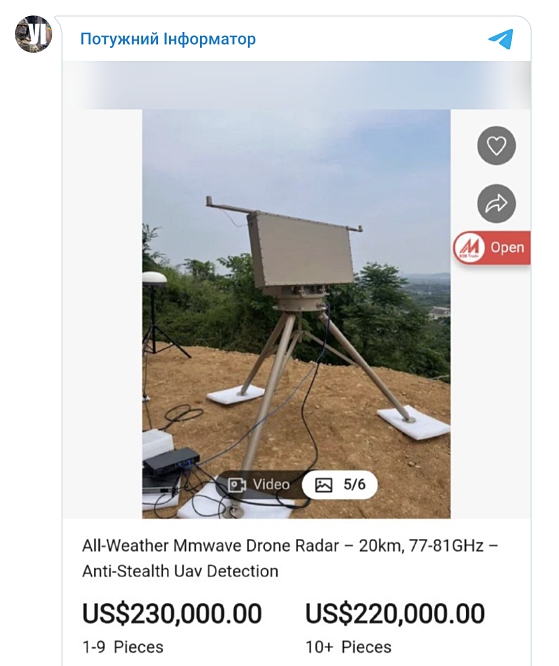
A lighter variant, the FSTH-LD02C, is also widely available through Chinese online marketplaces. This version consumes only 400 watts of power and can detect quadcopter-type drones at ranges of 8 to 10 kilometers. Operating in the 9–10.2 GHz portion of the X-band, it offers slightly lower accuracy — around 10 meters for range and 0.5 degrees for azimuth and elevation — but is more compact at about 1 meter by 0.6 meters in size.
The use of these radars has been observed in the 22nd Air Defense Missile Regiment of Russia’s 11th Army Corps. The deployment suggests that Russia is reorganizing its drone interception capability by integrating FPV drone teams within existing air defense units. This structure is intended to improve coordination between radar operators and drone pilots, enabling a more unified defense approach within shared operational zones.
The introduction of Chinese radar technology into Russian service highlights the evolving nature of drone warfare in the conflict. As Ukraine increasingly relies on small, agile, and hard-to-detect drones for reconnaissance and precision strikes, Russia is seeking ways to counter these threats with more precise detection and guidance systems.
By pairing these radar systems with interceptor drones, Russian units aim to create a layered defense against Ukraine’s rapidly expanding fleet of unmanned systems — a capability that continues to shape the tactical landscape of the battlefield.
Sources: Defence Blog; Defense Express