Russia Controls Shahed Drones in Ukraine via Telegram Messenger
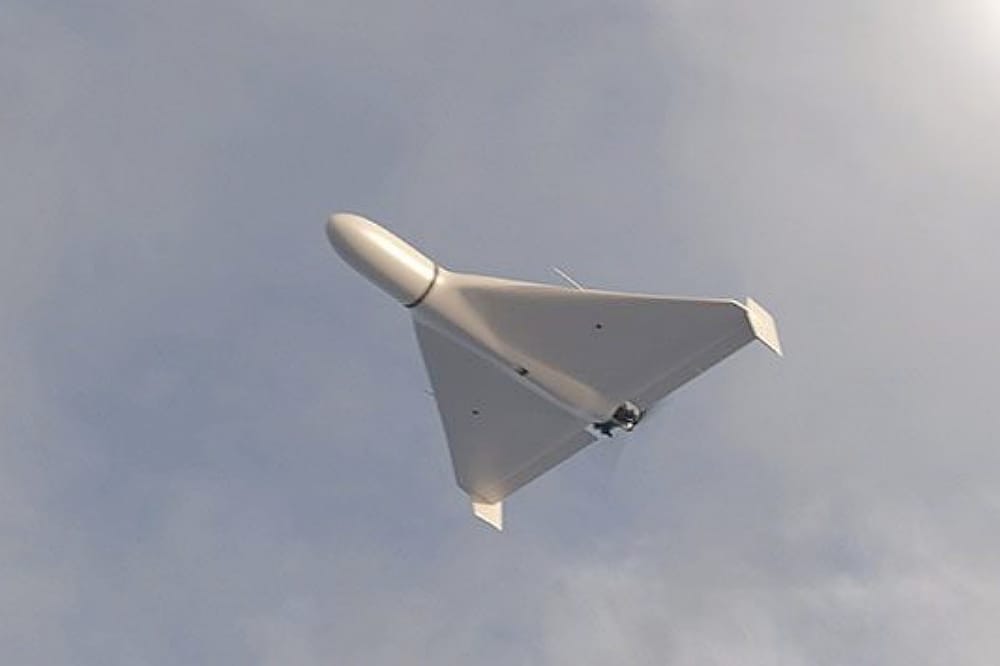
According to recent reports from Ukrainian engineers examining the wreckage of downed Russian Shahed drones, a startling discovery has emerged: a handwritten note, allegedly left by a Russian engineer, detailing a novel control system for these unmanned aerial vehicles.
The note claims that the drones, referred to as “Geran” in Russia, are now operated via Telegram bots, which transmit real-time flight data and video feeds to their operators. This system reportedly allows the drones to bypass traditional GPS navigation by leveraging Ukrainian mobile networks, rendering them highly resistant to conventional electronic warfare tactics such as signal jamming.
Furthermore, the note suggests that these upgraded Shahed models incorporate artificial intelligence to enhance their operational capabilities, posing significant challenges for Ukrainian defenses. This revelation, if accurate, marks a significant evolution in drone warfare, raising questions about the use of a widely accessible social messaging platform as a tool in active conflict.
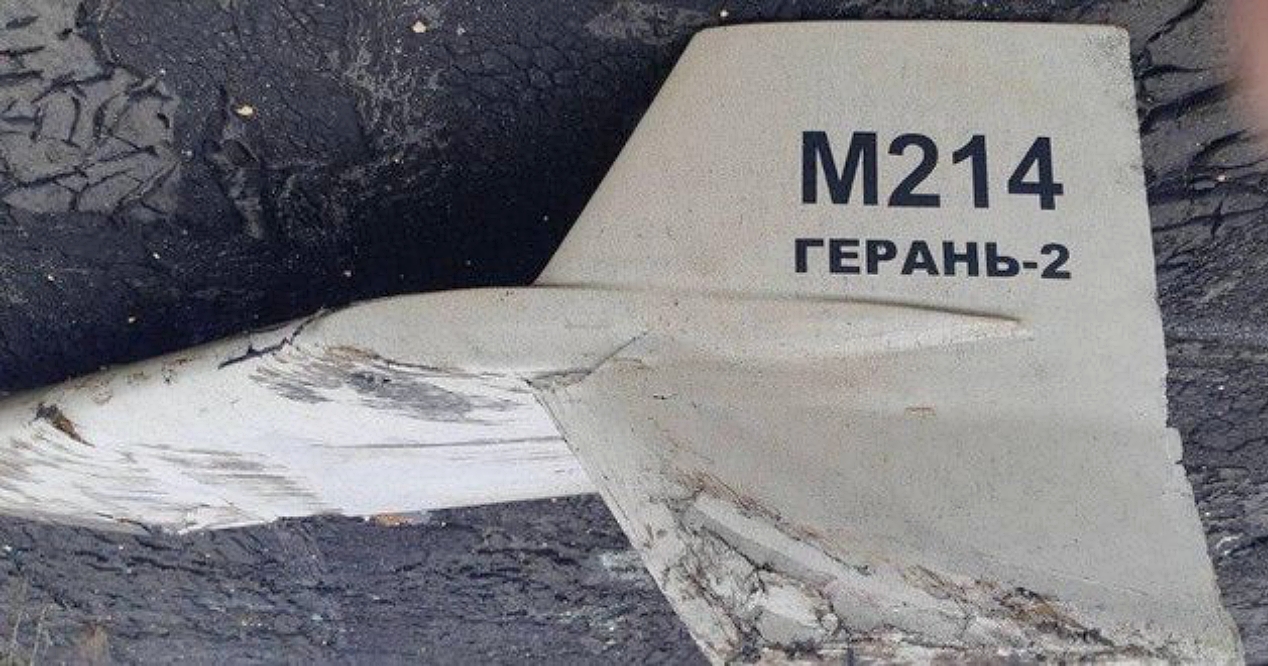
The discovery was made public in early 2025, amid ongoing hostilities in Ukraine, where Russian forces have intensified their use of drones and missiles. The development underscores the rapidly advancing technological landscape of modern warfare and its implications for both Russian and Ukrainian military strategies.
The reported use of Telegram bots to control Shahed drones represents a potential tactical advantage for Russian forces. By relying on Ukrainian mobile networks instead of GPS, these drones could evade traditional countermeasures like GPS spoofing or jamming, which have been critical tools for Ukrainian defenses.
The integration of artificial intelligence, as claimed in the note, could enable drones to autonomously adjust their flight paths, avoid obstacles, or even select targets with minimal human intervention. This would allow Russian operators to maintain greater operational flexibility, potentially launching attacks from longer distances while reducing the risk of detection.
The real-time video and data transmission via Telegram could also enhance situational awareness, enabling operators to make rapid adjustments during missions. Such capabilities would make the drones more effective in striking high-value targets, including infrastructure or military installations, with greater precision and resilience against interception.
For Ukrainian forces, these advancements present formidable challenges. The reliance on mobile networks complicates efforts to disrupt the drones’ navigation, as targeting civilian telecommunications infrastructure would be both impractical and politically sensitive.
The reported drop in Ukraine’s success rate against Shahed drones—from over 90% in 2024 to approximately 30% in early 2025—illustrates the growing difficulty in countering these upgraded systems. A Ukrainian commander, identified only as Yakut, noted that the drones now operate at altitudes of 2,000 to 3,000 meters, compared to just 200 meters previously, placing them beyond the reach of many small-caliber anti-aircraft systems.
This tactical shift forces Ukraine to rely on more advanced and costly air defense systems, such as Patriot or S-300 missiles, which are in limited supply. The increased altitude and reported AI capabilities could also enable the drones to execute complex maneuvers, further complicating detection and interception by mobile defense units.
Ukrainian forces are now tasked with developing new countermeasures, such as advanced electronic warfare systems or drone-interceptors, to address this evolving threat.
The use of Telegram, a publicly available messaging platform, as a control mechanism for military drones is a development that warrants closer examination. Telegram’s end-to-end encryption and cloud-based infrastructure make it an appealing choice for secure, real-time communication.
Its ability to handle large data transfers, including video streams, could theoretically support the transmission of flight telemetry and live footage from a drone’s onboard cameras. By leveraging Ukrainian mobile networks, Russian forces could exploit existing civilian infrastructure to maintain connectivity, bypassing the need for satellite-based systems that are more vulnerable to interference.
This approach, however, is not without risks. Telegram’s servers, while encrypted, are centralized, and any disruption to the platform’s infrastructure could compromise the drones’ operations.
Additionally, the reliance on a civilian platform raises ethical and legal questions about the militarization of commercial technology, blurring the lines between civilian and military domains in a way that could set a precedent for future conflicts.
The historical context of Telegram’s role in warfare adds another layer to this development. Founded by Russian entrepreneur Pavel Durov in 2013, Telegram has long positioned itself as a privacy-focused alternative to other messaging platforms.
As of May 2025, Durov remains in France, with his legal case unresolved, though he has continued to oversee Telegram’s operations remotely. The platform has faced increased pressure from governments worldwide to implement stricter content moderation, but it has maintained its stance on user privacy.
The reported use of Telegram for military purposes in Ukraine could intensify calls for regulation, as governments grapple with the implications of a civilian platform being weaponized in an active conflict zone.
Source: Bulgarian Military