Raytheon Coyote Interceptor Upgrades with Rocket Motor
The Coyote Block 2 is already combat proven, but more capable kamikaze drones have driven a need to fly faster and farther.
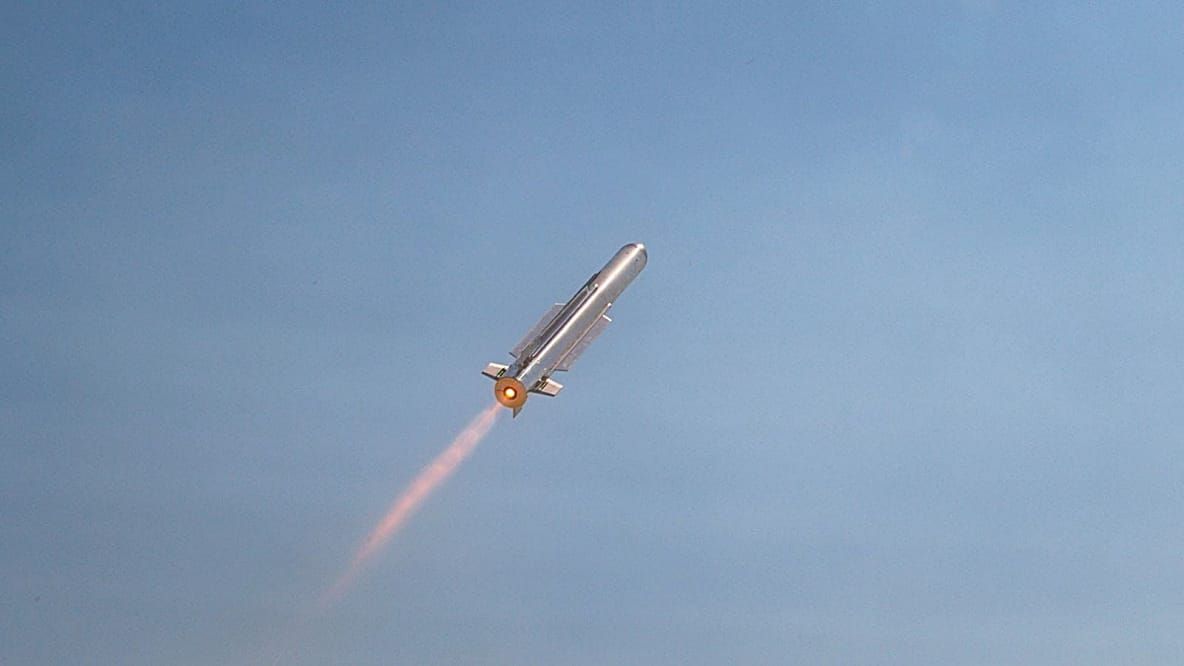
Raytheon, an RTX business, successfully completed three tests of its new Coyote Block 2C+RM upgrades, advancing the program from concept to testing in just 15 months. These Raytheon-funded developmental testing events show rapid progress of current Coyote Block 2C+RM interceptor upgrades to support an urgent joint U.S. military mission to counter evolving drone threats.
The Coyote Block 2C+RM upgrade builds on the combat–proven performance of current Coyote variants, which have intercepted hundreds of drones. This effort intends to integrate a rocket motor for faster launch and flight, along with a new seeker and warhead designed to defeat all classes of current and emerging drone threats.
"With a common backbone, Raytheon can rapidly scale the Coyote family across counter-drone missions — so we're accelerating the pace of innovation,"
said Tom Laliberty, president of Land & Air Defense Systems at Raytheon.
"Coyote Block 2C+RM is the latest example of how we're investing to deliver critical upgrades to combat-proven technology that give service members a decisive advantage on the battlefield."
The initial test series included several first-of-its-kind events, including confirmation of initial integration with the current counter-drone architecture and the first launches of a Coyote effector equipped with a tactical rocket motor to improve threat engagement times and faster successive shots.
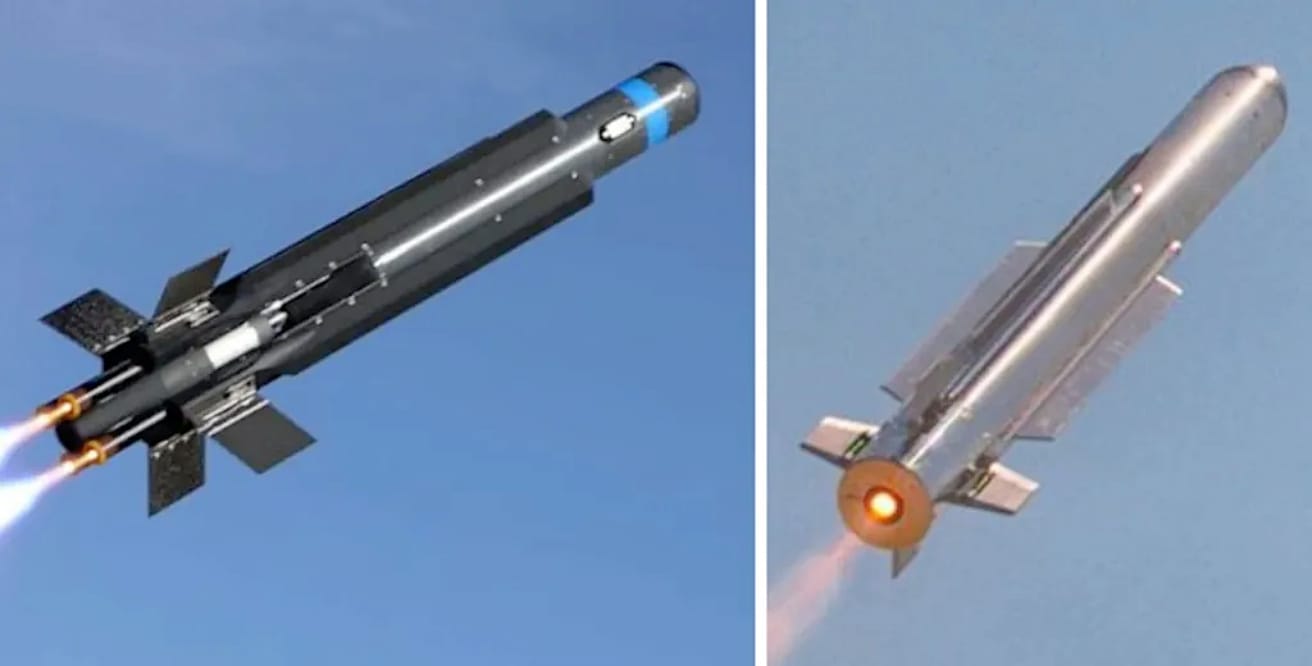
With the rocket motor, “you get upgraded propulsion for faster launch and higher velocity flight,” Tom Laliberty, President of Land & Air Defense Systems at Raytheon, told TWZ and other outlets during a press call last week ahead of today’s announcement. “In terms of range and so forth, I can’t really get into any specifics about that, for obvious reasons.”
“What I would just say is it’s significant in terms of the range difference, and in the [sic] what I call end-game capabilities of the missile, where velocity might come into play,” he added. “Then with the seeker [and] warhead [upgrades], it really gets after the sort of more cutting-edge drone capabilities that we’re seeing from the adversary.”
Laliberty also did not elaborate on the specific improvements to the seeker or warhead. Existing Block 2-series Coyotes use on-board radio frequency seekers to find their targets in the terminal phase of flight after first being cued via radars and other sensors on the ground. They also carry blast-fragmentation warheads.
Sources: Raytheon; The War Zone