Near Miss Above Christchurch, New Zealand
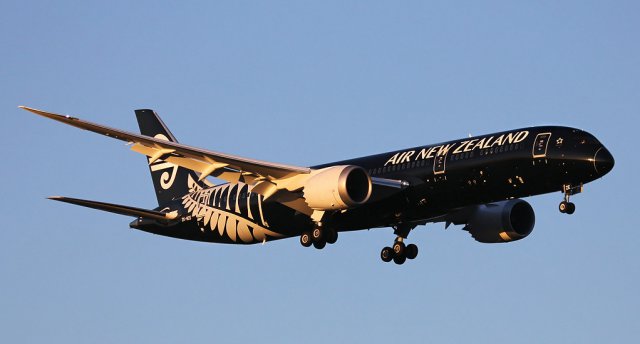
Authorities in New Zealand have started investigations into how a drone came close to hitting an Air New Zealand airliner above Christchurch city, the media reported on Saturday.
CAA director Graeme Harris said; "We appreciate that NZALPA has a view, but it totally ignores the activity that is taking place in RPAS education and regulation". The RPAS should not have been anywhere near the Jet. We believe our members know the Civil Aviation Rules and abide by them so it makes sense to formalise this as a code of conduct " said Shaun Mitchell, Chairman of UAVNZ, the national industry organisation for Unmanned Aircraft.
Transport minister Simon Bridges said the incident was being treated seriously. "While this reporting is concerning, I am satisfied that it's being investigated fully, with urgency, and is being treated very seriously", Mr Bridges said. The CAA is part of the ICAO RPAS committee and is sharing information about the safe use and application of RPAS within the aviation industry and wider community.
To that end the government recently introduced new Civil Aviation Rules to enable sensible use of the technology while protecting third parties on the ground and in the air.
David Morgan, captain of the plane, said the airline would support any moves to ensure drone operations did not compromise the integrity of airline operations.
An air safety investigation is underway after a drone was seen flying near an Air New Zealand aircraft above Christchurch on Friday night. Mr Harris said it had been illegal to fly drones or model aircraft above 400 feet since 1997; and the law was quite blatantly broken high above Kaiapoi on Friday evening. "From the limited facts known at this stage the RPAS involved in this incident was very clearly operating unlawfully".
Under CAA rules, RPAS must not fly above 120 metres unless certain conditions are met, the craft must weigh less than 25 kilograms and it can only be flown during daylight hours. RPAS operators must also be able to see their craft at all times and are restricted from flying in controlled airspace without the approval of air traffic control.
Source: NYSE Post