How The Pentagon is Partnering with the FBI to Counter Small Drones
Leaders of the U.S. Defense Department’s Joint Interagency Task Force 401 visited the FBI’s National Training Center in Huntsville, Alabama recently to increase interagency cooperation, according to statements given by the task force commander U.S. Army Brig. Gen. Matt Ross.
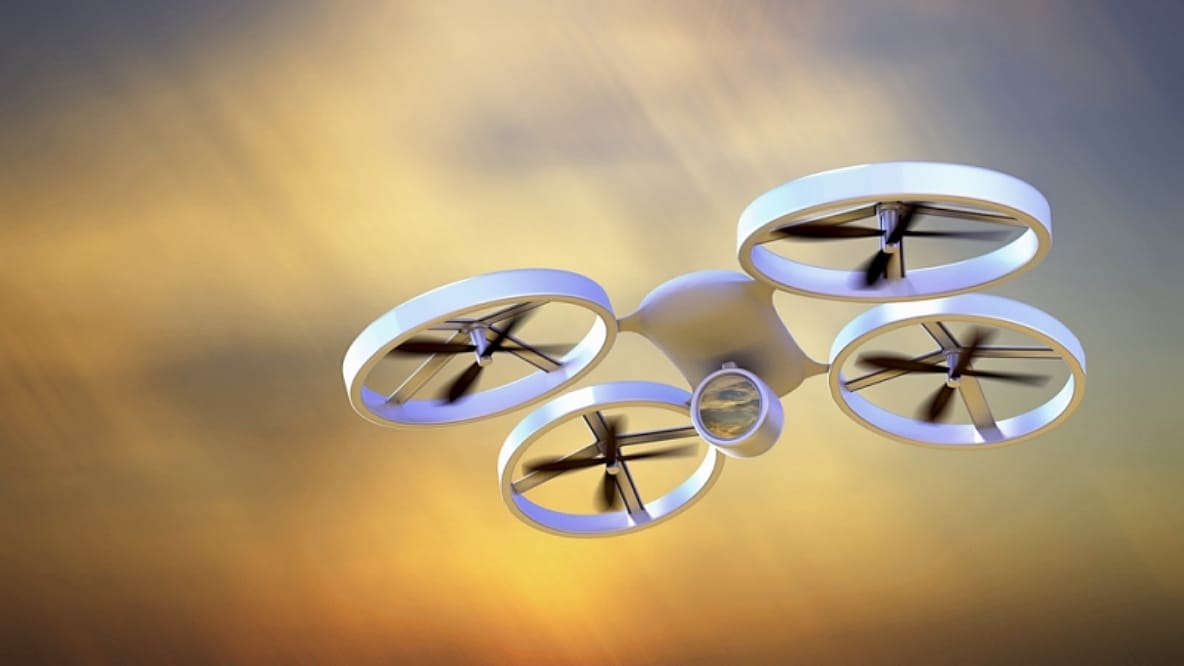
The Pentagon is partnering closely with the Federal Bureau of Investigation to streamline military and law enforcement training to counter rogue drones ahead of the FIFA World Cup 2026.
Leaders of the U.S. Defense Department’s Joint Interagency Task Force 401 visited the FBI’s National Training Center in Huntsville, Alabama recently to increase interagency cooperation, according to statements given by the task force commander U.S. Army Brig. Gen. Matt Ross.
“The threats we face are shared, so our solutions must be as well,” Ross said. "Our work with the FBI, to secure major events like the World Cup against the threat of drones, is a prime example of this strategy in action, but our goal is much broader: to build permanent, integrated [counter]-UAS capabilities across the federal government."
The FBI has been teaching a course in counter-drone tactics for local police in the 11 cities hosting the World Cup.
A Collaborative Approach to Drones
While the U.S. Department of Homeland Security is the lead agency for domestic security, the JIATF-401 works closely with the FBI to provide counter-drone training.
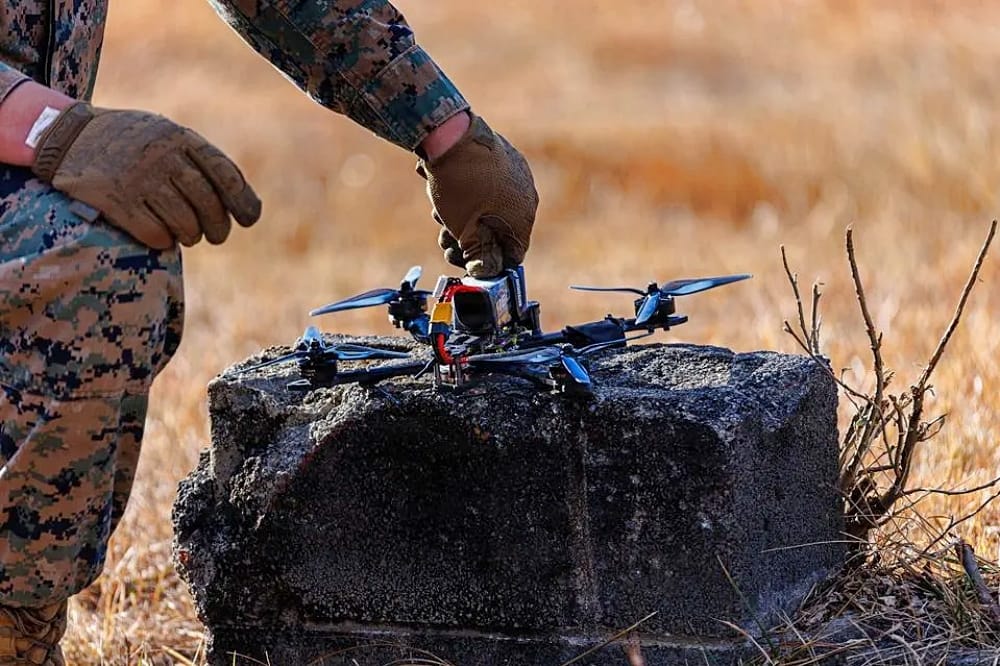
Small FPV drones, despite their relatively simple appearance, are complex systems. Their mobility across long distances, combined with their low profile, camera technology and increasing adaptability for use with Artificial Intelligence software, represent challenges for which there is no single solution.
The task force is seeking to match the speed of emerging technology by sharing expertise.
“Increased cooperation allows us to create an integrated and layered defence by sharing real-time data and fusing information from a variety of sensors across agencies,”
Lt. Col. Adam Scher, spokesperson for JIATF-401, told Forbes.
“This creates a common operational picture, enabling us to rapidly detect, identify, and track threats, and ensures that the right tools and techniques are used to counter them effectively.”
A New Security Environment
These steps towards higher levels of integration comes as drone technology is upending security norms worldwide.
NATO countries are grappling with small drones disrupting airports and with criminal groups turning to Unmanned Aircraft Systems as smuggling tools.
Drones are increasingly being used as weapons by criminal organizations including drug cartels in Latin America, according to a recent report by the Center for Strategic & International Studies.
“We have seen them used for a range of illicit activities, including smuggling drugs and weapons over borders, conducting surveillance and reconnaissance of sensitive locations, and for one-way attacks," Scher said. "This evolving threat landscape is exactly why this deepened partnership is so critical.”
Rising Demands for Joint Training
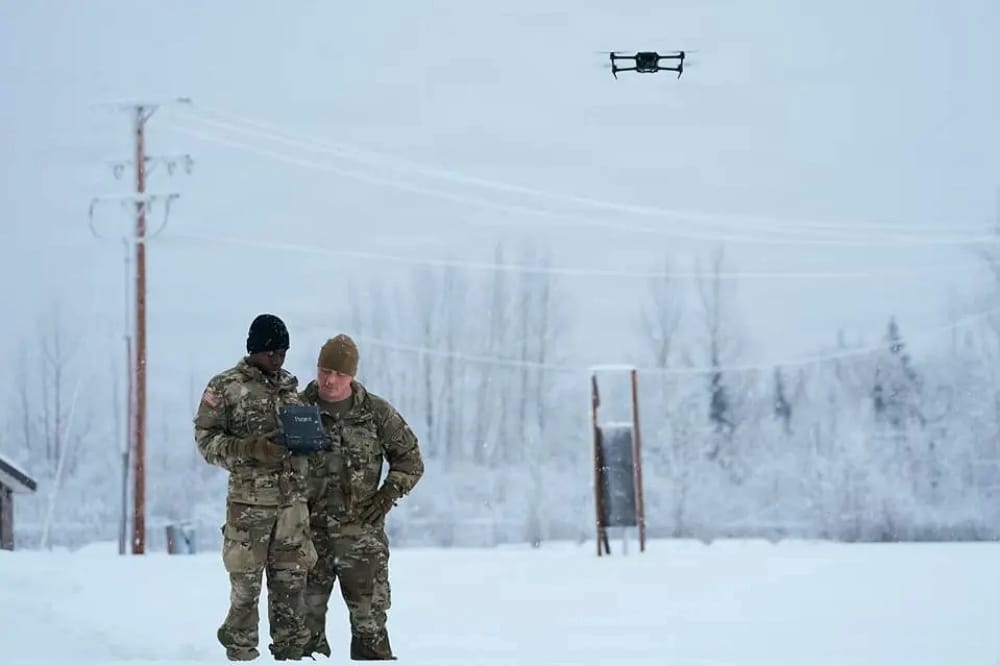
As drone technology transforms, the Pentagon’s task force will strengthen its efforts to ensure that law enforcement personnel and military service members are trained in the constantly morphing art of drone defence, Scher said.
“This partnership between JIATF-401 and the FBI represents a commitment to moving at the speed of relevance,”
Scher said.
The new demand for joint training is an example of how FPV drones have not only produced an industrial race, but also a race to eliminate capability gaps across government branches as military and security professionals seek to master this new technology at a rapid pace.
Source: Forbes