German Parliament Limits Drone Deal after Peter Thiel Backlash
The confidential Stark contract, seen by POLITICO, is structured as a seven-year framework agreement with an initial fixed order worth €268.6 million. If all optional orders had been exercised, the total value could have reached roughly €2.86 billion.
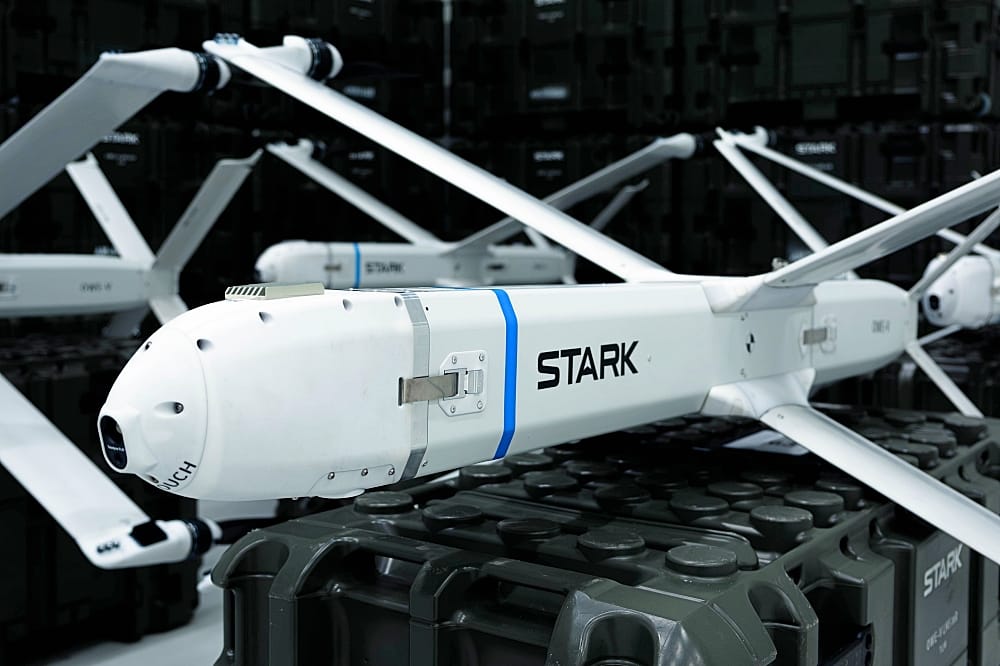
Germany’s parliament approved a multibillion-euro military drone contract on Wednesday, but only after coalition lawmakers imposed new financial caps and oversight conditions following scrutiny over Peter Thiel’s stake in Stark, the Berlin-based startup that was awarded the deal.
Under German law, any defence contract exceeding €25 million must receive explicit approval from the parliamentary budget committee.
The agreement — covering loitering munitions from Stark and competitor Helsing — cleared the Bundestag’s budget committee with binding restrictions that would limit how much the Defence Ministry can ultimately spend and require renewed parliamentary approval for large optional orders.
The late-stage changes, summarized in a document obtained by POLITICO, followed days of political controversy over Thiel’s minority investment in Stark, as well as broader concerns among coalition lawmakers about how the framework contract was structured and disclosed to parliament.
The Thiel Foundation, a private foundation set up by Peter Thiel and contacted by POLITICO in an effort to seek a response, did not respond to emailed requests for comment.
The confidential Stark contract, seen by POLITICO, is structured as a seven-year framework agreement with an initial fixed order worth €268.6 million. If all optional orders had been exercised, the total value could have reached roughly €2.86 billion.
Under the conditions adopted Wednesday, any additional orders beyond the initial tranche require renewed parliamentary approval. The Defence Ministry must also demonstrate completed qualification and serial readiness before follow-on orders can proceed. If it seeks to exceed the €1 billion cap, it must submit updated needs justifications and pricing documentation to lawmakers.
Stark welcomed the decision, saying it “represents a new era in German defence policy and demonstrates trust in innovative companies.” On the new financial caps and oversight set by lawmakers, it said: “We are ready at any time to deliver additional systems if required once approved.”
It’s unclear what Thiel’s share in the company is. The German-born investor, who is also an American citizen, is known for his support for President Donald Trump and for bankrolling conservative candidates such as Vice President JD Vance, aligning himself with the populist wing of the Republican party.
That has raised concerns among German lawmakers, affecting the outlook for parliamentary approval of the deal.
Beyond investor concerns, coalition budget lawmakers had also questioned pricing structures and redacted passages in documents presented to parliament. Christian Democratic lawmaker Andreas Mattfeldt warned that “responsibility does not mean rubber-stamping.
The contracts were originally designed so that, if one supplier failed, the other could scale up to cover the Bundeswehr’s full requirement. By capping each company at €1 billion without renewed approval, lawmakers have limited that built-in redundancy — ensuring that any large expansion will require another political decision.
“The fact is that Peter Thiel openly rejects our democracy. We do not know how large his influence at Stark is. And even worse: The federal government cannot explain it,” Greens lawmaker Jeanne Dillschneider told POLITICO. “We need drones, no one disputes that. But the question of how large Thiel’s influence is must be clarified before we procure them.”
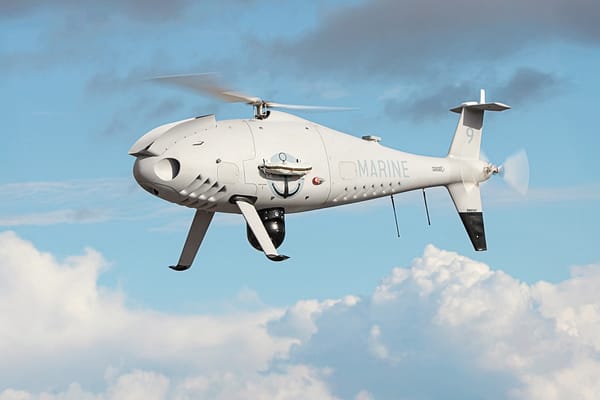
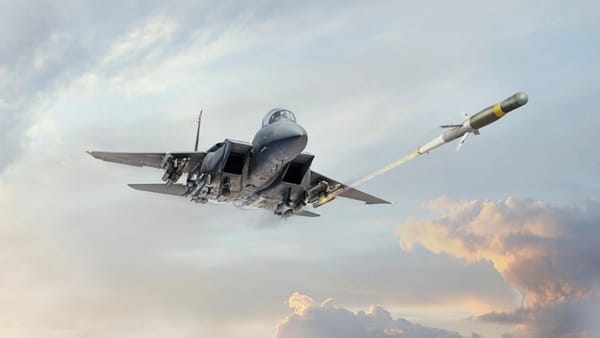
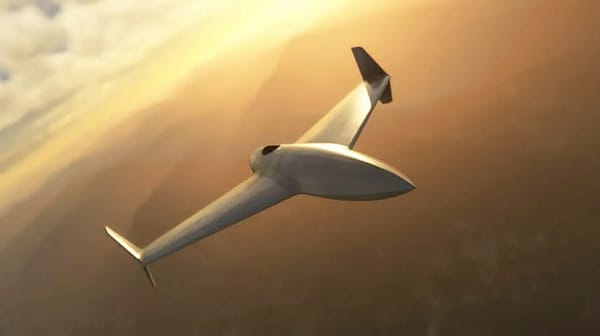
The agreement covers the serial production of “deployment sets,” each consisting of 20 loitering munitions, a ground control station, spare parts and software and training packages. It would be one of Germany’s first purchases of loitering drones, which have become a low-cost weapon of choice in Ukraine after Russia’s full-scale invasion.
Stark declined to comment on the details of its shareholder structure but said any foreign investment exceeding a 10 percent threshold would trigger a mandatory review by Germany’s Economy Ministry. The same applies below that level if special rights exist, the company said, adding: “None of this applies.”
It also stated that no shareholder has information rights relating to its products and that any transfer of technical details would be subject to German export control approval.
Defence Minister Boris Pistorius rejected the idea that Thiel’s involvement should stall the deal. Speaking to the Deutsche Welle broadcaster at the recent Munich Security Conference, he said:
“I don’t know whether my information is correct or not, but as far as I’m informed, we are not talking about a key stakeholder — we are talking about somebody who has between 3 and 4.5 percent.”
That, he added, means Thiel does not play “a key role as a stakeholder,” and while the issue should be considered seriously, it is “not an obstacle really to make contracts with that company.”
Source: POLITICO