FBI Issues RFI for Fiber Optic Drones

The Bureau has issued a request for information (RFI) from vendors who can provide it with fiber optic drones. Additionally, it is also seeking new radio-frequency-controlled drones.
The “FBI is responsible for the investigation of a multitude of federal crimes,” the RFI states. “UAS are used in a variety of facets while responding, and on scene of, various incidents. The FBI would like to seek information and ascertain if vendors are able to supply” both types of drones.
Being impossible to jam compared to their radio frequency counterparts is one advantage of fiber optic wire-controlled drones. Operating drones in structures and other confined spaces with no line-of-sight and many barriers between the controller and the drone can be a major challenge as radio signals quickly degrade in these environments.
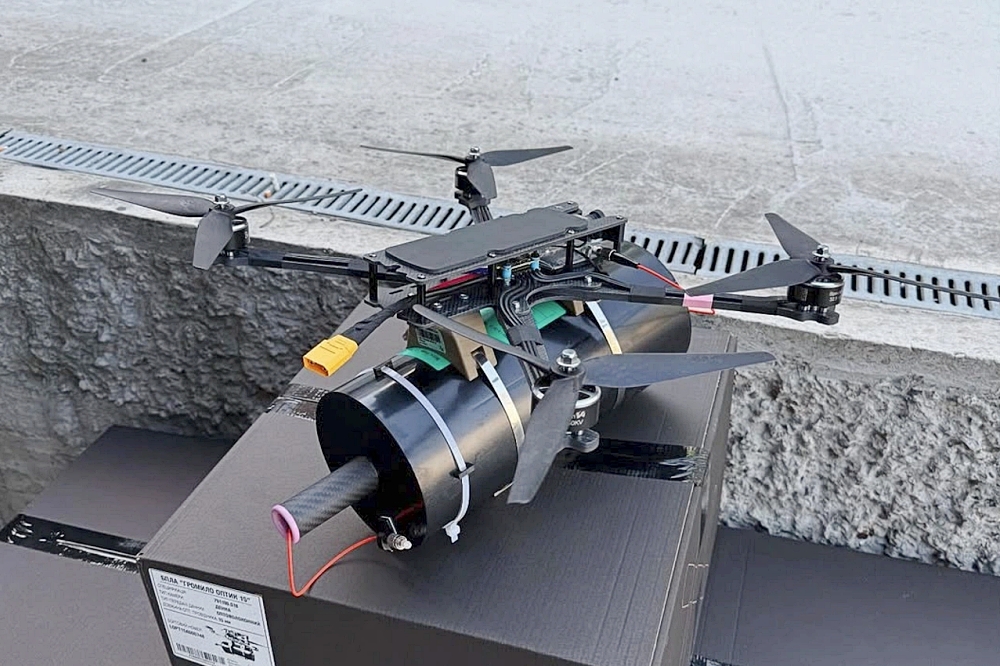
Fiber optic-controlled drones do not have this problem as the connection is hard wired between the drone and control. While fiber optic drones offer some advantages, there are disadvantages as well.
They are less maneuverable than radio-controlled drones and their wires can get tangled or cut. They also have to use valuable payload and energy to carry around a large spool that can contain miles of wire.
Sources: The War Zone; SAM.gov