FAA Testing Drone Detection Systems In New Jersey
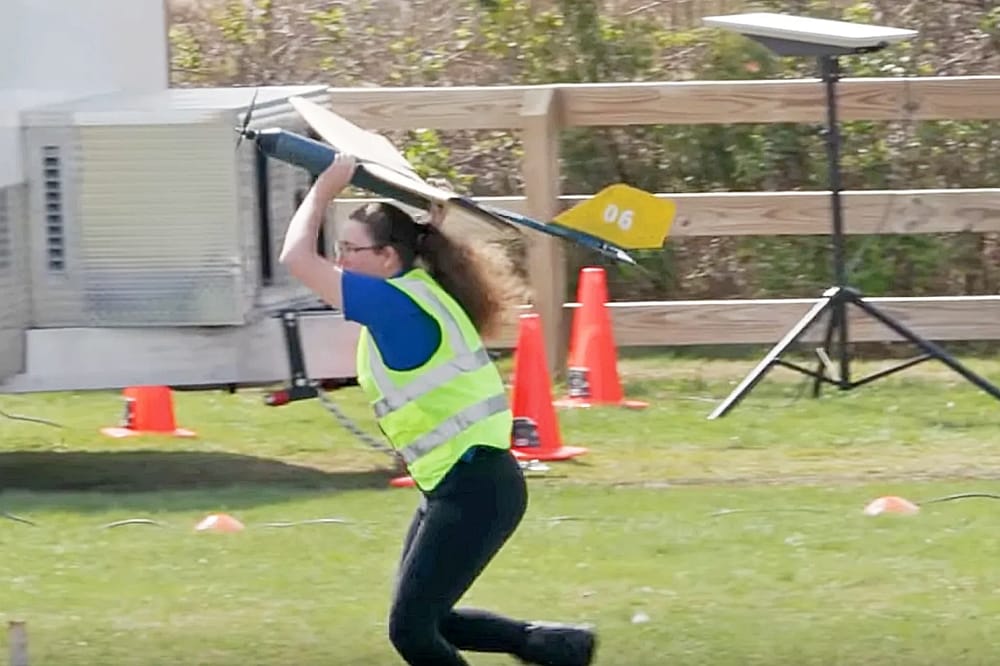
The FAA has released videos showcasing its latest effort to test drone-detecting technologies, which is now underway in New Jersey. The tests, which began Monday and are expected to last until April 25, are taking place over the water and near the Cape May Ferry Terminal during the daytime on weekdays only, according to the agency.
They are being conducted by the FAA’s Center of Excellence for UAS Research (ASSURE). The Delaware River Bay Authority Police and other local first responders will also participate.
The videos offer a small glimpse into this testing process.
One video shows the detection and tracking systems being tested, along with several drones of different sizes on the ground and in flight.
The other video shows smaller drones being flown.
The FAA “has been testing drone detection technologies at airports over the last few years and is expanding testing to off-airport locations,” the spokesman told The War Zone in response to our question about what sparked this effort. ”These tests will help determine the effectiveness of these technologies and whether they might interfere with FAA or aircraft navigation systems.”
More than 100 drone sightings near airports are reported to the FAA each month, “and we want to send a clear message that operating drones around airplanes, helicopters, and airports is dangerous and illegal,” the agency said in its statement.
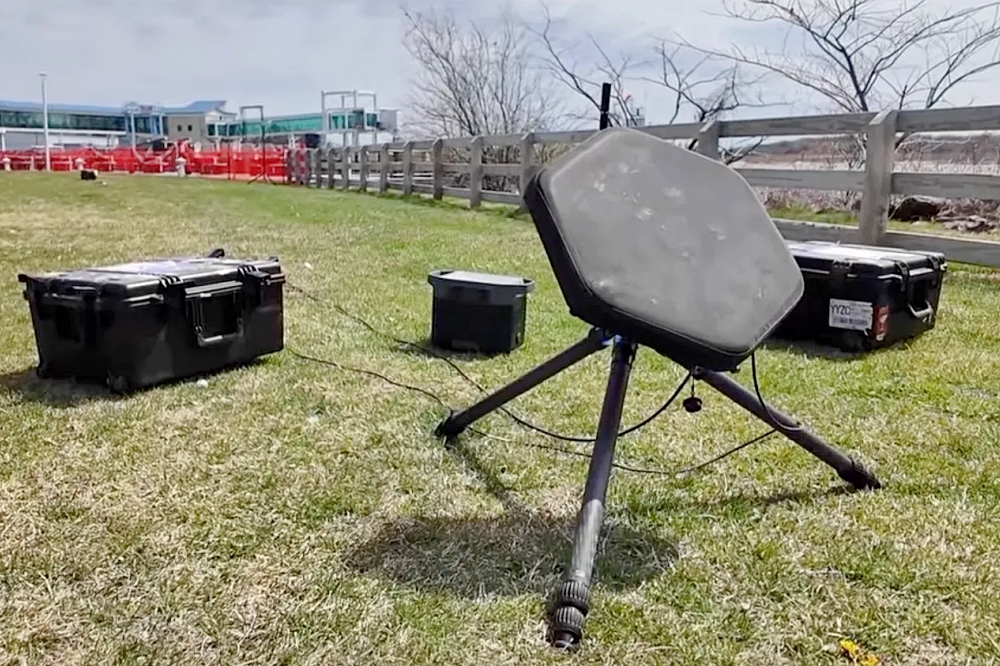
The FAA is using several large drones and about 100 smaller, commercial off-the-shelf drones to test the effectiveness of three different detection and tracking systems: Remote ID provides identification and location information from drones in flight that can be received by other parties through a broadcast signal. Acoustic arrays pick up the sound made by drones, detecting their presence and calculating position and which way they are headed. X-Band radars give operators an active, as opposed to passive, detection and tracking capability. This is especially important for drones that are not emitting any radio frequency emissions.
To see how these systems work against drones of varying sizes, speeds and altitudes, the FAA is using uncrewed aerial vehicles in three groups, ranging from those weighing less than 20 pounds, traveling at speeds 100 knots and operating below 1,200 feet, to those weighing less than 1,320 pounds, traveling at speeds less than 250 knots and operating below 18,000 feet.
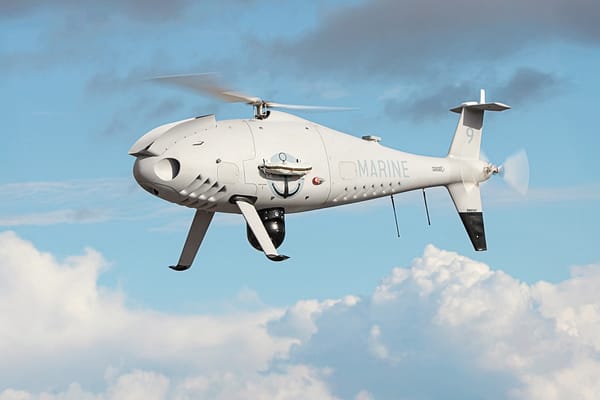
The commercial off-the-shelf drones include DJI Mavic Pro, Parrot Anafi, Skydio 2+, Skyfront Perimeter and DIY X6 Multirotor models. The larger drones are the NAVMAR Tigershark and the SpektreWorks Cobalt.
Though there were thousands of reported drone sightings over New Jersey and other areas in the northeast late last year, an FAA spokesman told us on Tuesday that the decision to hold these tests in Cape May is coincidental.
It was selected “primarily [because of] proximity to the FAA Technical Center near Atlantic City,” the spokesman explained.
Source: The War Zone