Drone Saves Surfer from Shark in New South Wales
World championship tour surfer Matt Wilkinson had a close encounter with a shark last week while surfing at Sharpes Beach at Ballina, New South Wales.
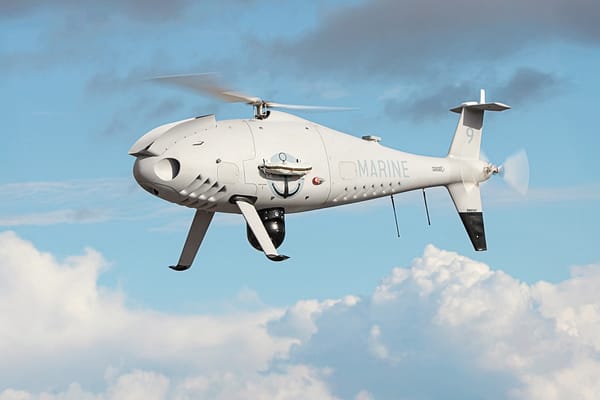
The welcome arrival of a UAV (Unmanned Aerial Vehicle) overhead alerted Matt via a warning over the speaker, at the same time a 1.5m white shark surfaced just behind him.
The amazing vision captured by the UAV, operated by Surf Life Saving NSW on behalf of the NSW Department of Primary Industries (DPI), stunned the operator with the speed at which the shark appeared on his screen during a routine surveillance flight.
The former pro surfer said he was aware the drone was overhead and heard the warning, but was still shocked to encounter the shark at such close range. Today’s event was another lucky escape for Wilkinson, who competed in the heat just before Mick Fanning experienced his encounter with a large white shark at J-Bay in South Africa in 2015.
“I got to the shore feeling a bit weird and the lifeguards showed me the footage and I realised how close it came without knowing it was there. It looks like it’s going for my leg and it’s changed its mind.
“I feel grateful and pretty weird at the same time but happy it decided not to go me. When I saw the footage I saw the similarities, like I had a yellow leg rope on and Mick’s board was yellow is what I was thinking about when I came in. I called my wife because I didn’t want her to see the footage before I saw it. She doesn’t want me surfing for a couple of days now.”
UAVs proved vital only a few weeks ago when a large shark was spotted near competitors at the Tweed Coast Pro World Surf League event at Cabarita. The event start was postponed until the area was clear and safe for competition to commence.
UAVs are being flown by Surf Life Saving NSW every day during the school holidays at beaches in Ballina, just some of the 34 beaches funded for drone flights from the NSW Government’s $8million 2020/21 NSW Shark Program and many other coastal LGAs to assist lifesavers and lifeguards protect swimmers and surfers from a range of hazards, including marine creatures.
Following this incident, the beach was evacuated and closed until the next day.
“I’ve been surfing with sharks my whole life and I understand they’re there and know enough about them to know they have not too much interest in humans. I’m just glad today the shark reconsidered at the last second,” said Wilkinson.
The drone operator, Beau Monks from the Australian UAV Service, said he’d just launched his seventh flight for the day when he spotted the shark near the surfer.
“I’d spotted a large baitball and some whales and dolphins earlier in the day and had alerted the lifeguards to that.”
Drones are the future of aerial surveillance – they have proven themselves to be cheaper and more effective than helicopters and are preferred by the community,” said Surf Life Saving NSW CEO Steve Pearce said.
Note: The Australian UAV Service is a business unit of Surf Life Saving NSW and provides professional UAV services to clients including the NSW Department of Primary Industries and the World Surf League.
There have been at least six fatal shark attacks in the country this year, according to the Australian Shark Attack File at the Taronga Conservation Society Australia. There were no fatal attacks last year and only one in 2018, according to the society's database.
Most shark attacks against humans occur when the animal is confused, according to Encyclopaedia Britannica. They "mouth" foreign objects to determine what they are and whether they're worthy of a meal.
Source: Surf Livesaving NSW