China's CH-3D Challenges Turkey's Bayraktar TB2
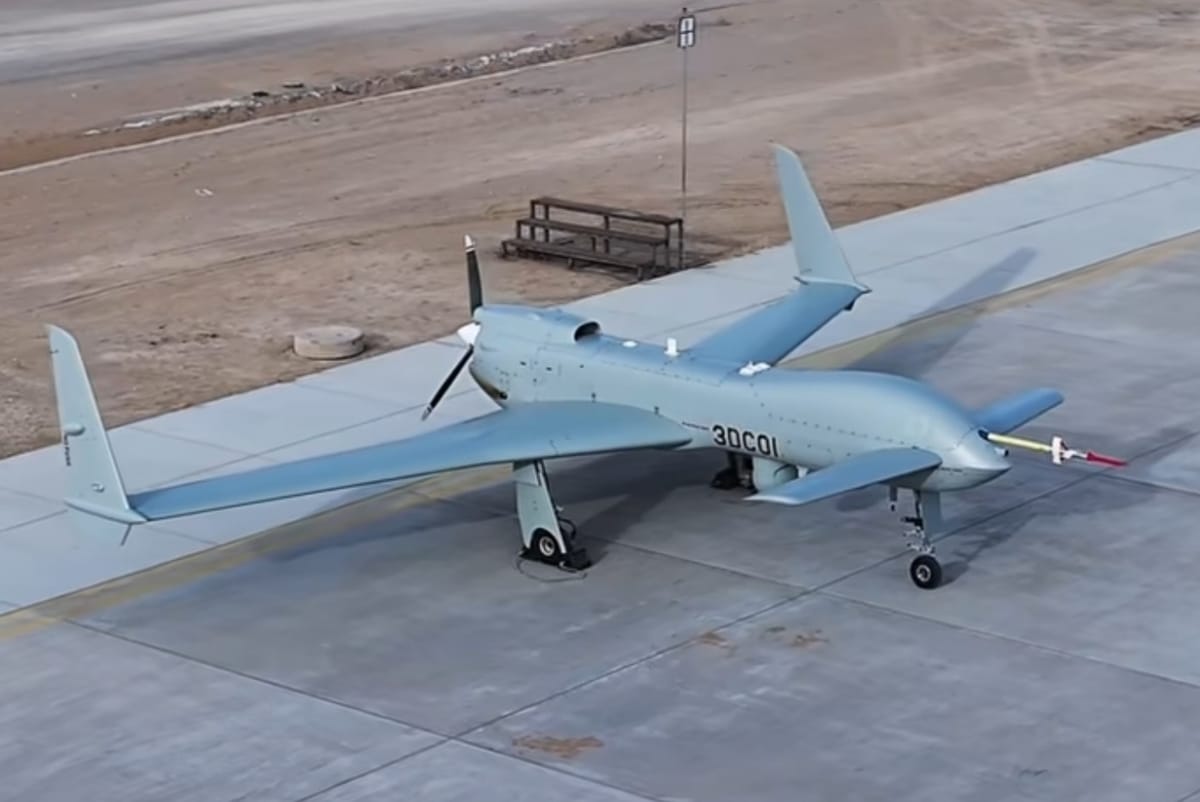
China is advancing efforts to challenge one of the world’s most widely exported combat drones, the Turkish-made Bayraktar TB2, with a new domestically developed system undergoing flight testing.
At the AVIC test range, engineers are putting the CH-3D combat drone through a series of evaluations. The aircraft, developed by China’s state-owned aviation giant AVIC, is designed to compete in the same class of medium-altitude, long-endurance (MALE) unmanned aerial vehicles where the Bayraktar TB2 has established itself as a global leader.
The TB2 gained wide recognition after a string of combat successes in Syria, Libya, Iraq, Nagorno-Karabakh, and, most notably, Ukraine. Its battlefield record and relatively low cost have made it one of the most sought-after UAVs on the international arms market.
While many manufacturers from other countries have attempted to replicate the Turkish drone’s success by producing near-identical copies, AVIC is pursuing a different strategy. The CH-3D introduces several technical advancements intended to give it an operational edge over the TB2, particularly in scenarios requiring extended range and beyond-line-of-sight control.
One of its most notable features is a satellite communications (SATCOM) antenna system, which enables the CH-3D to operate over long distances without relying on line-of-sight radio links. This capability allows operators to maintain control and conduct missions in environments where conventional communications would be limited or ineffective — a feature that could offer a decisive advantage over the Bayraktar TB2 in certain operational contexts.
The CH-3D also incorporates retractable landing gear, a design element that improves aerodynamic efficiency. The result is longer flight endurance and an expanded operational radius, extending the drone’s reach and mission duration.
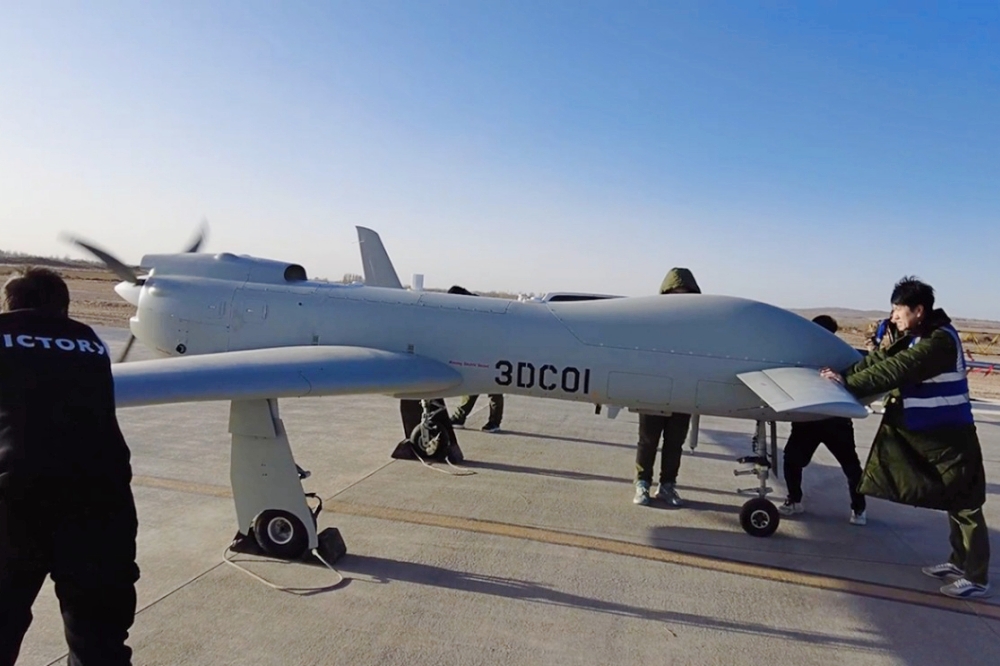
According to available specifications, the CH-3D can remain airborne for up to 20 hours, with a maximum service ceiling of 7,200 meters and a cruising speed of around 280 kilometers per hour. It has a maximum takeoff weight of 700 kilograms and is capable of carrying a range of precision-guided munitions, including air-dropped bombs and guided missiles.
The platform’s payload flexibility positions it as a versatile strike asset suitable for reconnaissance, close air support, and precision strike missions. The combination of extended endurance, improved communication systems, and a heavier weapons loadout suggests that AVIC is seeking to capture market share not just by imitating the TB2, but by offering a more capable and adaptable system.
China’s push into this segment comes as global demand for armed drones continues to grow, with many countries seeking affordable yet capable alternatives to U.S. and Israeli-made UAVs. The Bayraktar TB2’s success has set a high benchmark, forcing new entrants to either match or surpass its operational capabilities to compete effectively.
For Beijing, the CH-3D is more than just another drone — it represents an attempt to expand China’s presence in the lucrative UAV export market and challenge Turkey’s dominance in a category that has reshaped modern warfare.
Source: Defence Blog