Australian Army to Finally Introduce ‘Owl’ Electric-Powered Suicide Drone
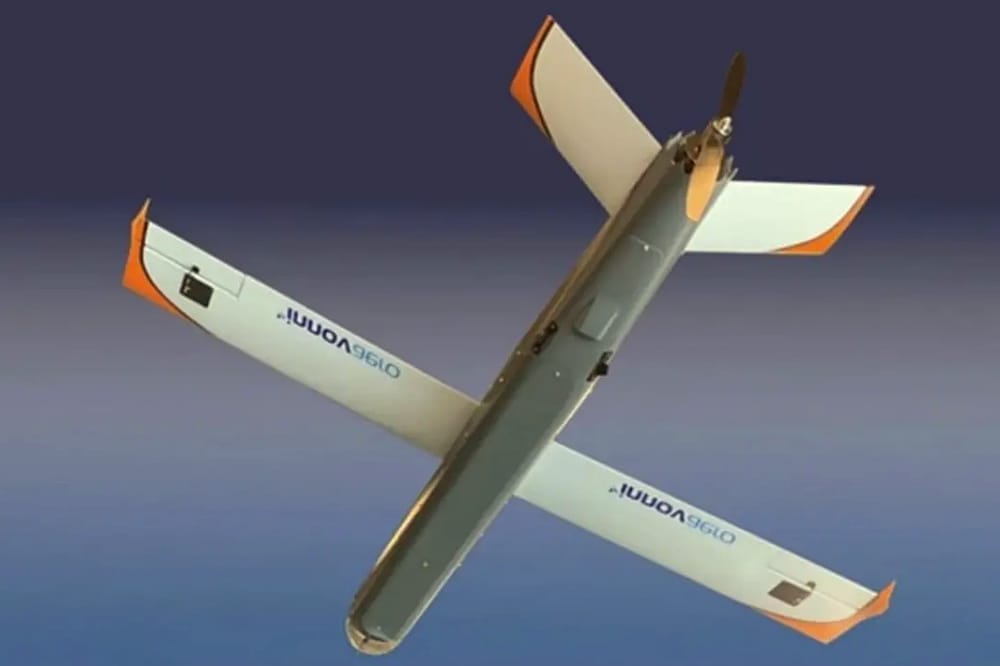
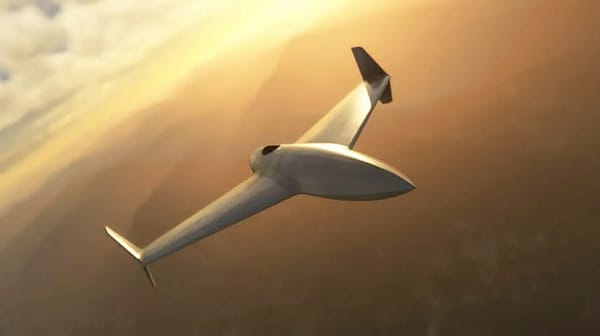
The Australian Army will finally induct a new, electric-powered kamikaze drone that has been in development for more than two years. Called the “Owl,” the loitering munition can travel up to 200 kilometers (124 miles) and stay in the air for 30 minutes without recharging.
The One-Way Loitering (OWL) munition has been developed by Western Australia-based company Innovaero and Boeing subsidiary Insitu Pacific, and is currently being trialled by an unspecified army special operations unit.
Known simply as "the Owl", the unmanned aerial vehicle (UAV) has been in development with the army since 2022 and is designed to integrate with other drones being acquired by the Australian Defence Force.
"It's a good story of an Aussie company with a really impressive UAV. Special forces love it, and rightly so,"
said one defence figure familiar with the product's evaluation.
Government tender documents reveal that developer Innovaero, partially owned by BAE Systems Australia, has been awarded more than $5.3 million in Defence contracts since May 2022 to design, develop, build and test the aircraft.
The growing importance of armed drone warfare has been highlighted during Russia's invasion of Ukraine, with military experts criticising Australia's lack of urgency in acquiring the deadly technology.
A Defence spokesperson declined to comment specifically on the Innovaero Owl, but confirmed to the ABC that a "future loitering munition capability is due to be introduced this calendar year".
"The introduction into service of loitering munitions into most Australian Army combat units into the future will be driven by the results of these trials."
Defence industry insiders say while they are pleased the Innovaero Owl is proceeding, they warn there have been lengthy delays imposed on other so-called urgent innovation programs because of a lack of funding to progress contracts.
"There seems to have been a decision made that the priority is the big, expensive and long term — these small, cheap and immediate capabilities are not being funded," the industry source added.
Source: abc news