10 Most Advanced Wingman Drones
Loyal wingman programs demonstrate how humans are inching toward a future in which they will team up with human pilots and autonomous aircraft.
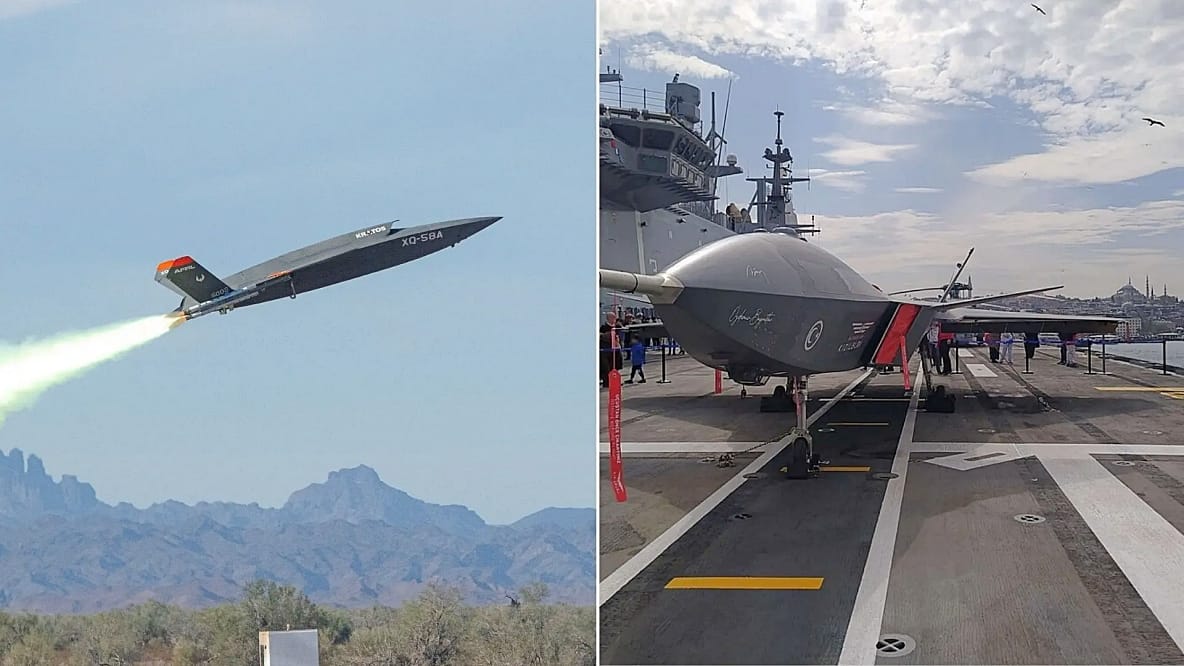
The advent of military technology is rapidly giving rise to new and much more dangerous weapons systems. The loyal wingman programs are one such strategic system, involving Unmanned Combat Aerial Vehicles (UCAVs) flying alongside manned aircraft and coordinating to achieve several objectives.
To put it simply, UCAVs are autonomous drones that can be controlled by pilots in an aircraft to cover more ground, gather more data, and strike from safer distances. In turn, this reduces risks for pilots in dangerous areas by letting the unmanned vehicles do the majority of the ground work.
As time passes by, this teaming of manned and unmanned vehicles is expected to reshape air combat tactics and make air forces more flexible and survivable. That said, let’s take a look at some of the top loyal wingman programs to date.
1. Kratos XQ-58A Valkyrie
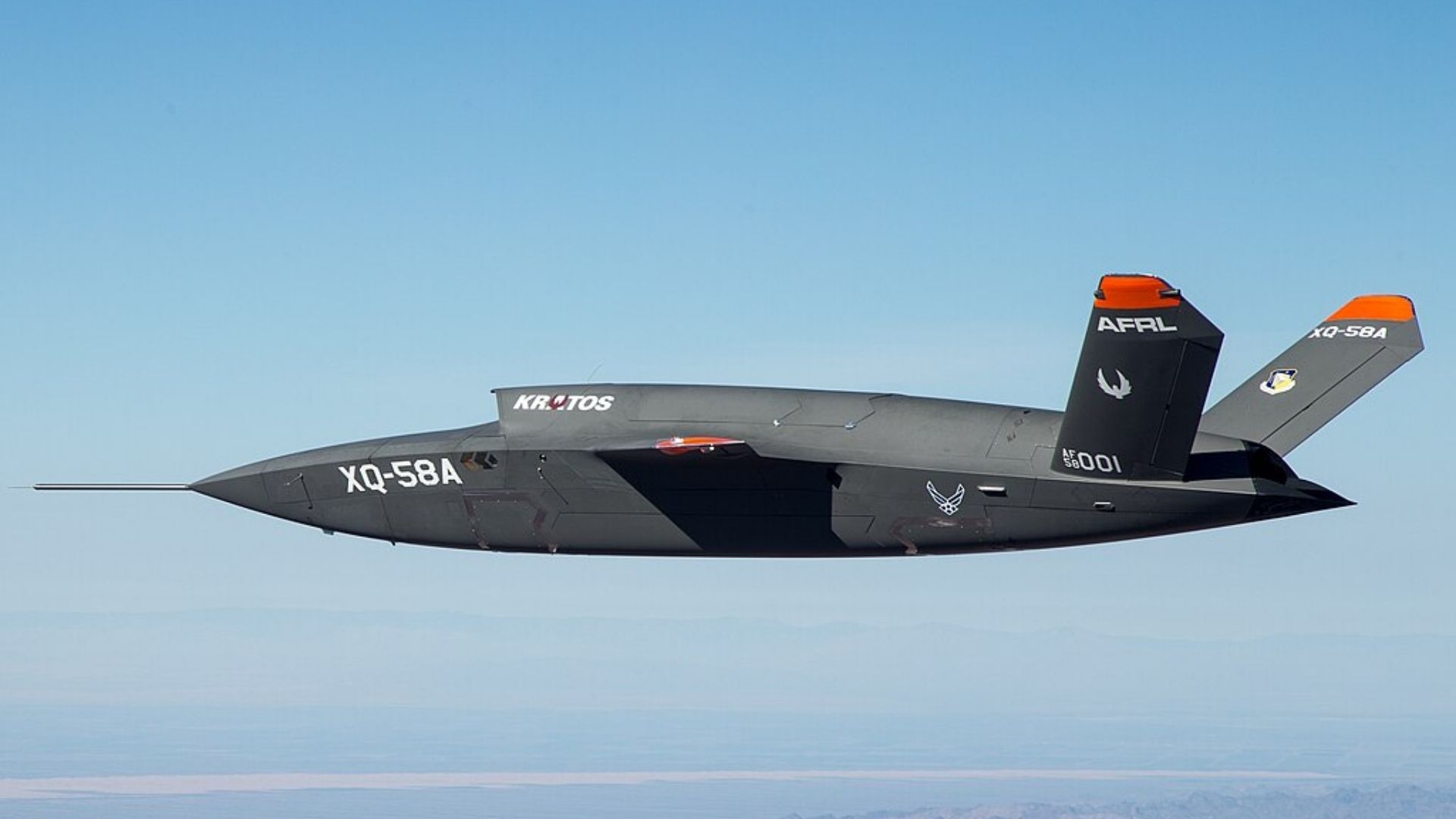
Developed by KRatos Defense & Security Solutions in collaboration with the Air Force Research Laboratory (AFRL) since 2016, the Kratos XQ-58A Valkyrie is one of the US’s most mature loyal-wingman platforms. It has become a benchmark for autonomous combat integration since its first flight in March 2019.
The Valkyrie serves as a wingman for manned autonomous F-22 Raptors and F-35 Lightning IIs. It performs surveillance, reconnaissance, electronic warfare, and precision-strike missions. With a heavy payload capacity, it accommodates both lethal and non-lethal payloads using an open mission system architecture.
The platform demonstrates advanced autonomy, capable of coordinated swarm operations and adapting tactics based on real-time battlefield intelligence.
2. Boeing MQ-28 Ghost Bat
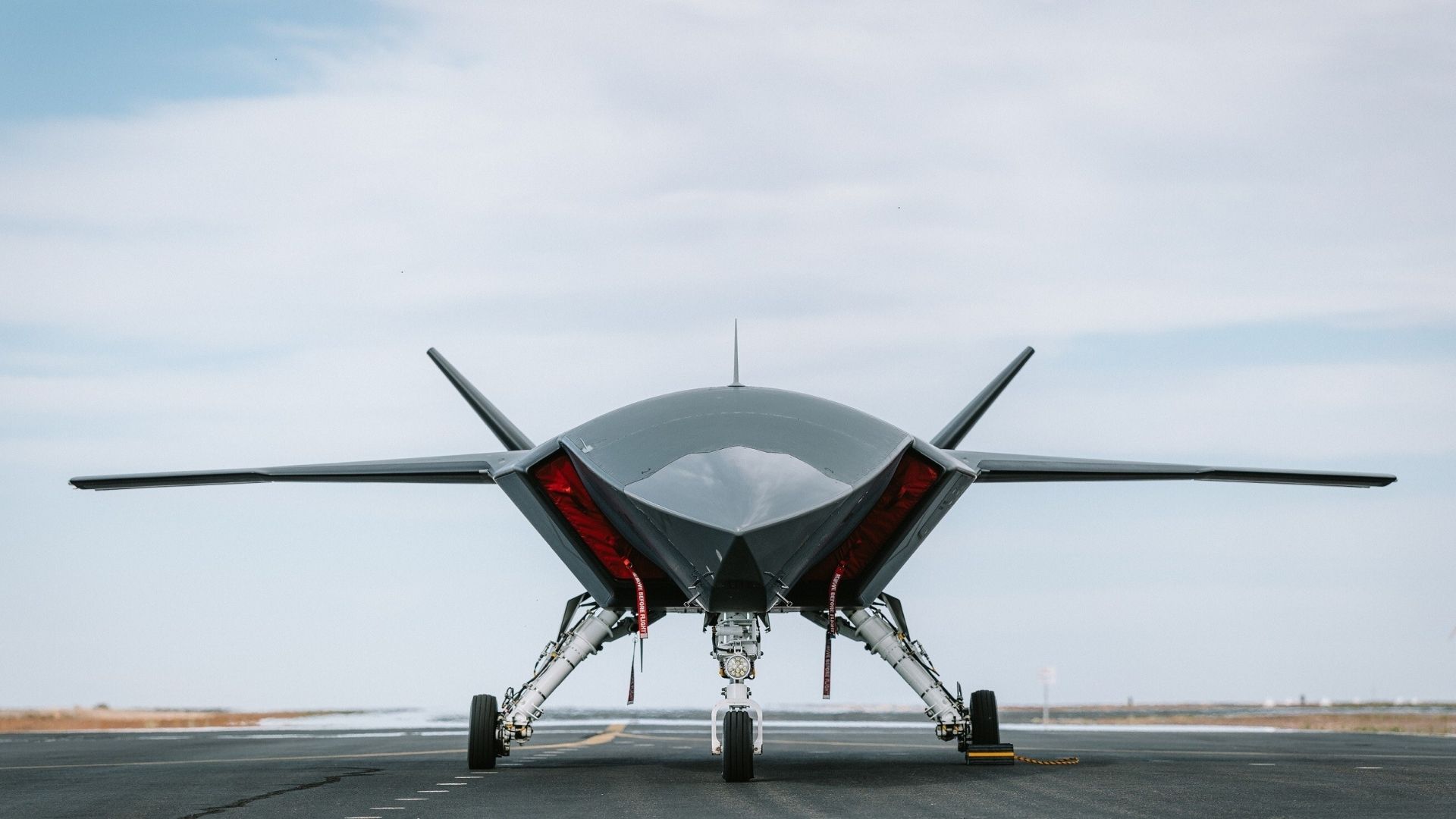
The Boeing MQ-28 Ghost Bat has built a reputation as the most operationally advanced loyal wingman effort designed outside the US. Boeing Australia teamed up with the Royal Australian Air Force to build this combat drone.
Initially known as the Airpower Teaming System, the aircraft was officially renamed Ghost Bat in 2022, inspired by Australian bats’ coordinated hunting.
Ghost Bat functions as a stealthy, multi-role unmanned combat aircraft that can work autonomously or accompany pilots alongside their fighter jets.
It’s equipped with infrared tracking sensors, secure communication systems, and flexible payload bays that can be configured for weapons, electronic warfare tools, surveillance gear, or decoy equipment, depending on the mission.
3. Sukhoi S-70 Okhotnik-B
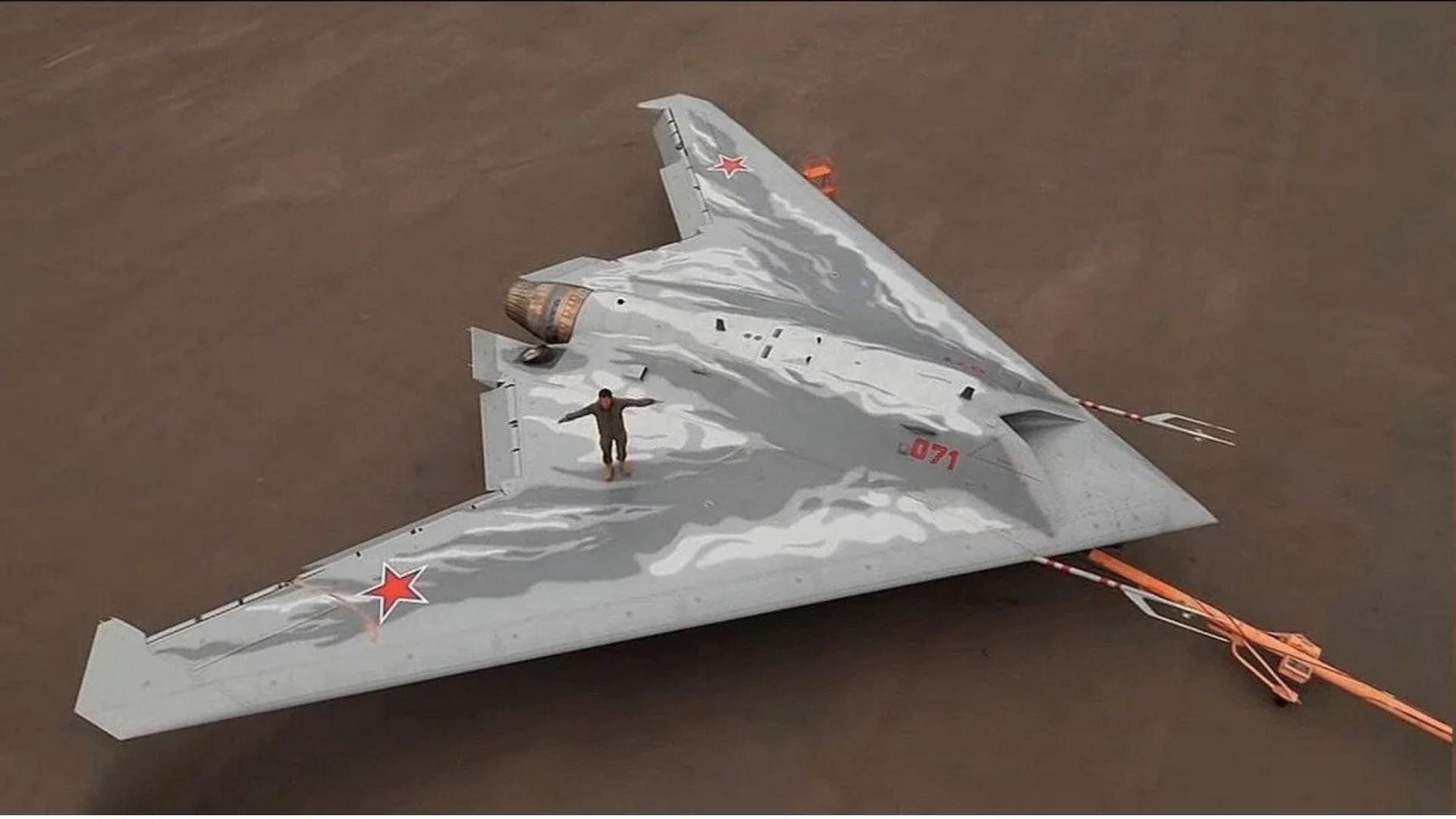
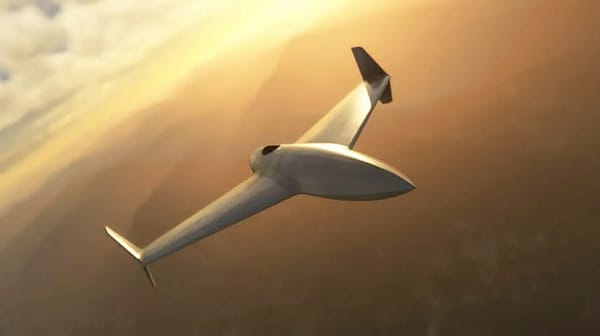
Sukhoi and Mikoyan developed Russia’s Sukhoi S-70 Okhotnik-B as a follow-up to an earlier drone project. Also known as Hunter-B, it is regarded as one of the largest loyal wingman drones in existence.
The Okhotnik-B uses a flying-wing shape to reduce its radar detectability. It is much larger than similar drones in the US and Europe, suggesting Russia’s intent to use it primarily for long-range strike missions rather than swarm-style small operations.
Its use in the Ukraine war showed both its strengths and its weaknesses. In one 2024 incident, the drone lost its communication link in contested airspace and drifted off course, eventually entering Ukrainian-controlled territory.
A nearby Su-57 fighter then shot it down, revealing problems with secure communications and emergency control systems that Russia is now trying to fix in newer versions.
4. Airbus Wingman
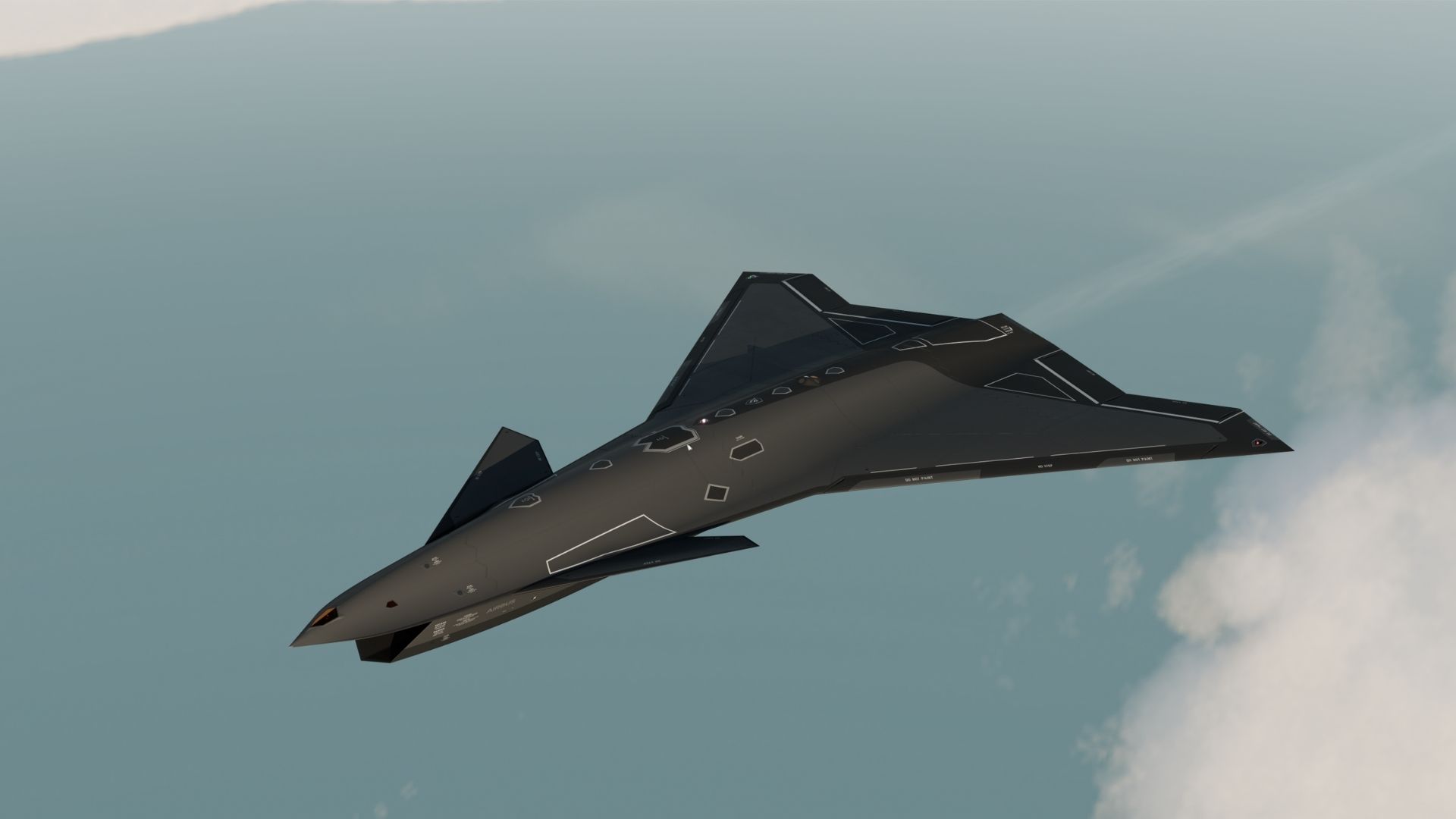
The Airbus Wingman is Europe’s main autonomous drone project and is part of the larger Future Combat Air System (FCAS) program, which involves France, Germany, Spain, and Italy. FCAS functions as a network of crewed jets, drones, satellites, and ground forces, supported by a shared digital system often called the “Combat Cloud.”
Within this structure, the Wingman serves as the first generation of uncrewed support aircraft. The plan is to introduce its abilities step by step, starting in the late 2020s with improved battlefield awareness. The wingman will begin working more closely with piloted fighters by 2030, gradually shifting to coordinated combat operations by 2040.
5. Dassault nEUROn
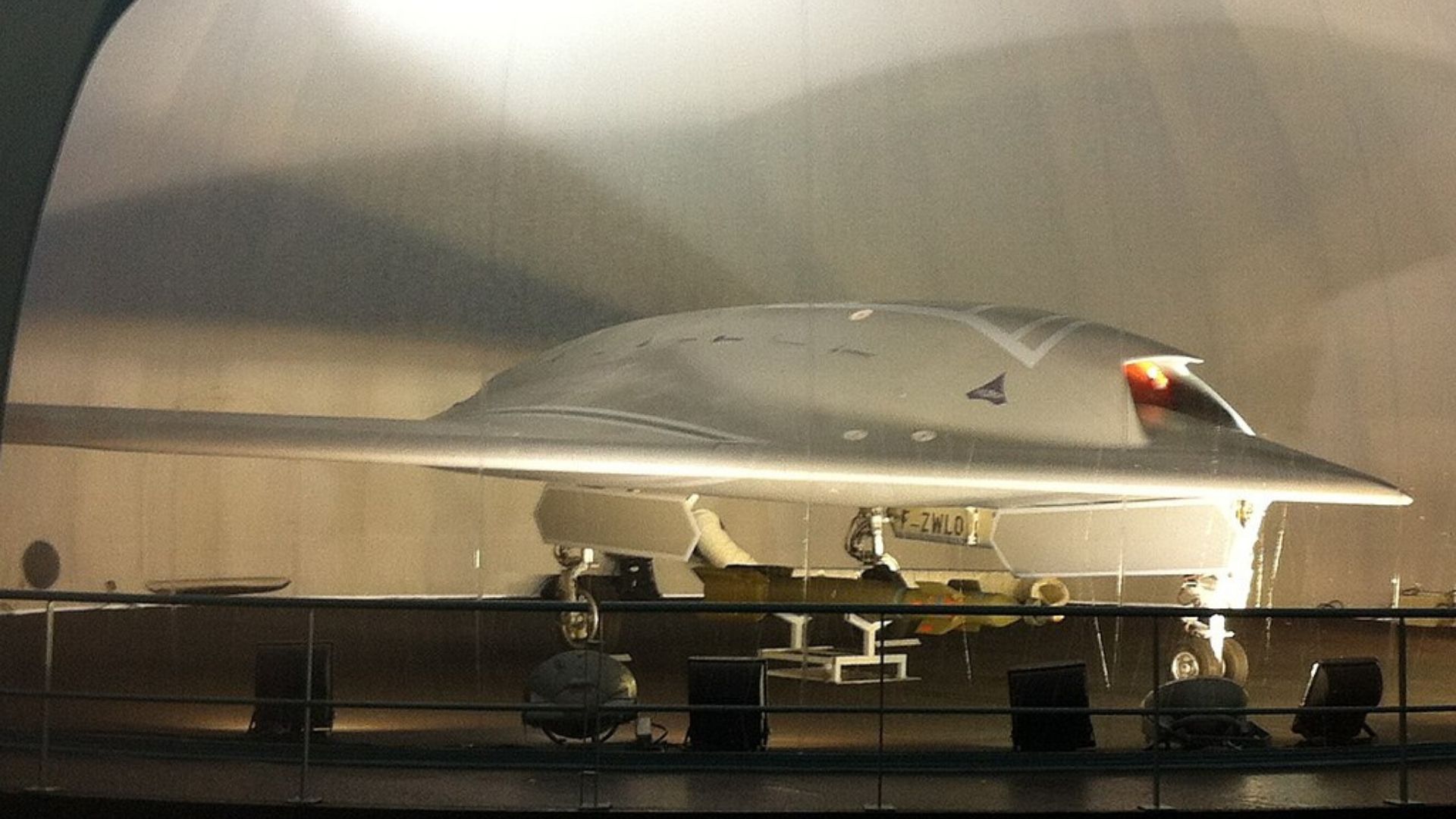
Regarded as Europe’s longest-running loyal wingman program, the Dassault nEUROn was launched in 2023 through a partnership betweenFrance, Greece, Italy, Spain, Sweden, and Switzerland.
The program has offered a couple of valuable lessons due to its development over more than two decades. The lessons include how different systems are integrated and how these aircraft might be used in real operations.
The nEUROn made its first flight in December 2012 and conducted its first internal weapons test in 2015. This extensive testing effort has helped demonstrate its stealth design, sensor systems, and potential combat roles.
6. Bayraktar Kızılelma
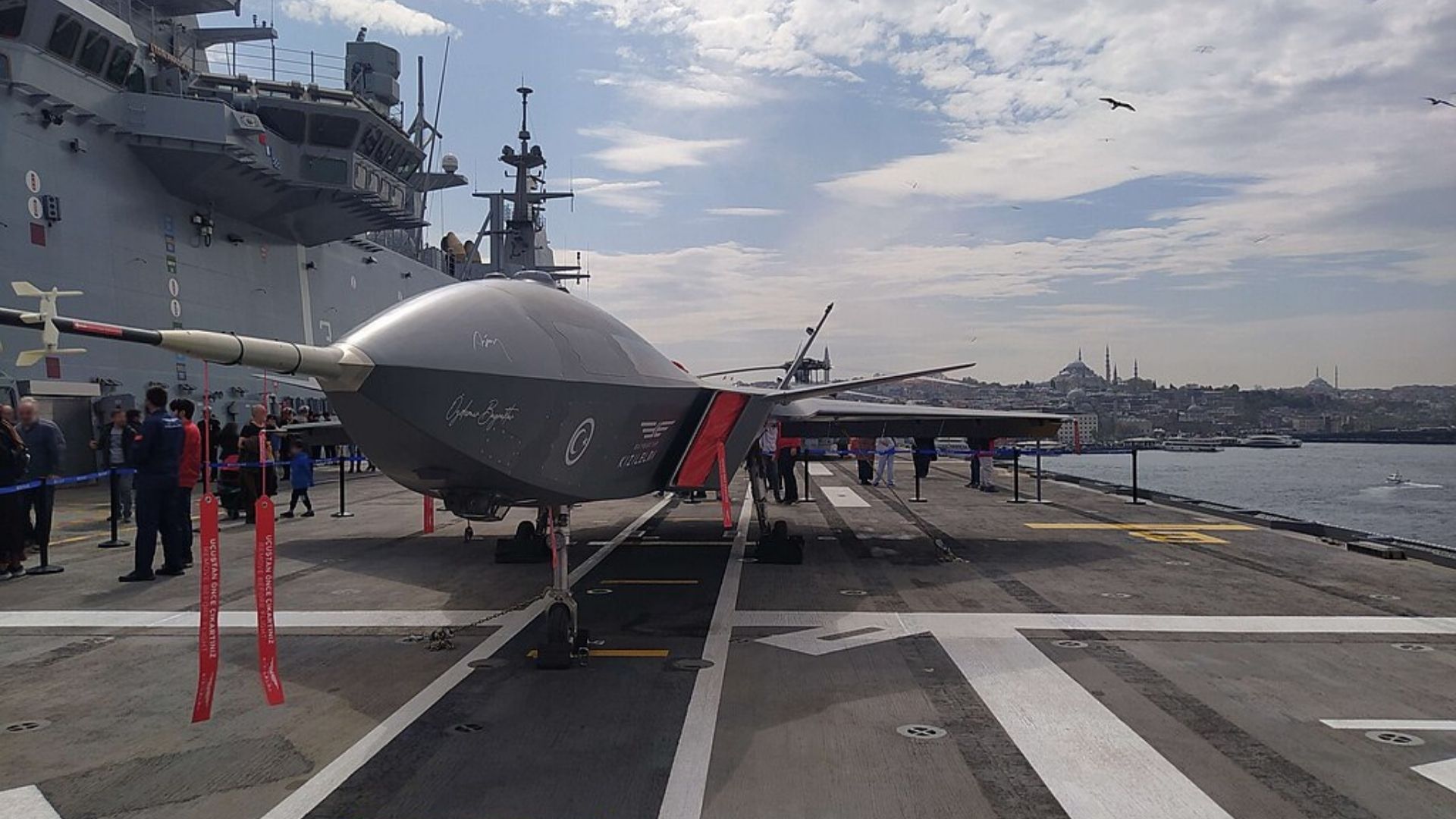
The Bayraktar Kızılelma represents a major step forward for Turkey’s defense industry and for loyal-wingman technology worldwide. Baykar builds the drone, which is Turkey’s first jet-powered unmanned combat aircraft. It completed its first flight in December 2022, ahead of schedule.
Kızılelma has already flown in formation with Turkish Air Force F-16C fighter jets, reaching altitudes above 9.5 kilometers, demonstrating its ability to work smoothly with piloted aircraft.
The drone’s advanced AI enables it to autonomously participate in long-range air combat scenarios, with humans making the final decisions on how to use the weapons. With its canard-wing design, the aircraft also offers strong maneuverability, making it more capable in air-to-air roles than most earlier unmanned systems.
7. HAL CATS Warrior
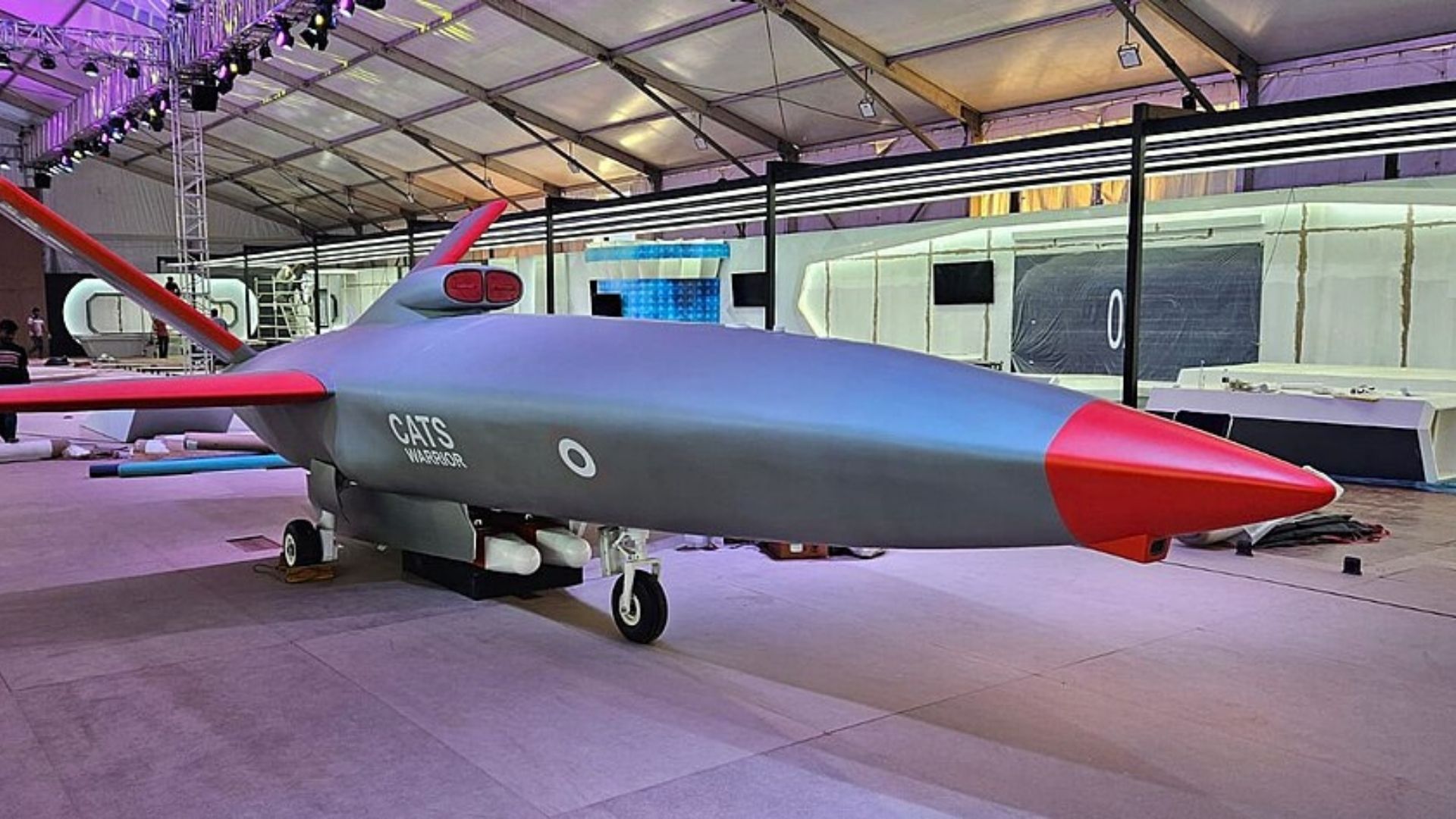
India’s Hindustan Aeronautics Limited (HAL) Combat Air Teaming System, or CATS, is an important homegrown defense project developed under the Make in India program. The CATS Warrior loyal wingman reached a key milestone in early 2025 when its full-scale demonstrator completed an engine ground run in January.
The Warrior is designed to carry weapons such as Smart Anti-Airfield Weapons and Next-Generation Close Combat Missiles inside its internal bays, allowing it to strike targets up to 700 km inside enemy territory.
The machine’s stealth-focused design and autonomous takeoff and landing capability improve its chances of surviving in heavily defended areas.
8. Hongdu GJ-11 Dark Dragon

China’s entry into advanced loyal-wingman drone development was through the Hongdu GJ-11, also known as Sharp Sword and Dark Dragon. Designed by Shenyang Aircraft Design Institute and Hongdu Aviation Industry Group under the large AVIC organization.
In addition to stealth features, it can operate in coordination with other aircraft. The GJ-11 uses a flying-wing design, with weapons stored internally and on external hardpoints. The early versions of the drone had engine nozzles, but later the exhaust system was improved to lower both radar and heat signatures.
9. Project NYX

The UK’s Project NYX is a loyal wingman program focused on helicopters rather than fighter jets. Announced in January 2026 by the UK Ministry of Defence, the project involves seven companies competing to develop autonomous drones that can work alongside the British Army’s AH-64E Apache attack helicopters.
These NYX drones are expected to carry more than 200 kg of payload, allowing them to use weapons, sensors, and electronic warfare equipment. However, Apache crews will still make the final decisions about using force, keeping an important balance between automation and human control.
10. XQ-67A Off-Board Sensing Station
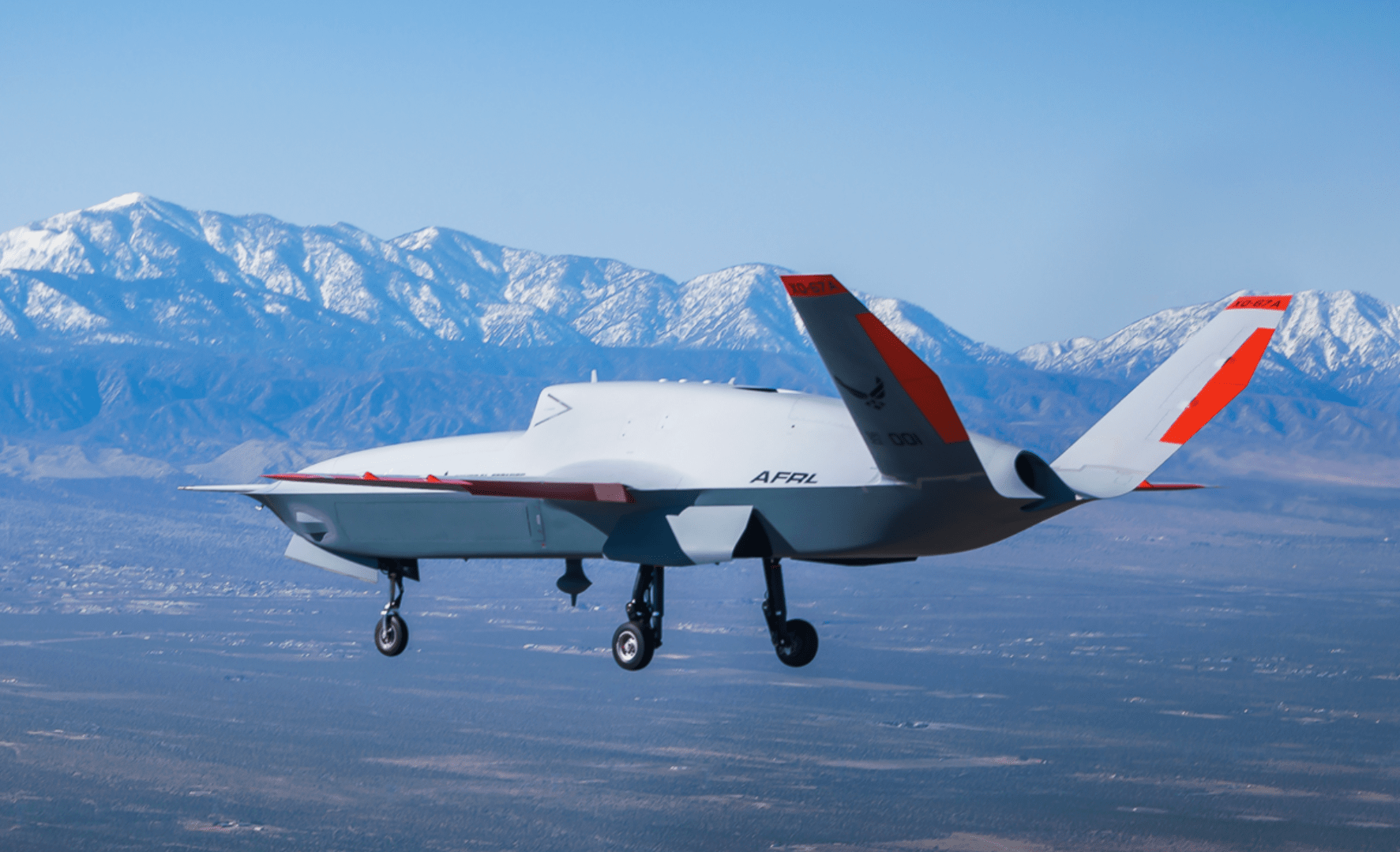
Under US’ Collaborative Combat Aircraft program, the General Atomics XQ-67A Off-Board Sensing Station is one of its key drones. Designed to be affordable and easily scalable in production, it focuses more on working in collaborations than in a singular manner.
The XQ-67A shares design elements with the earlier Avernger drone but adds modern autonomous systems, modular electronics bays, and an open architecture that allows different mission equipment to be installed quickly.
The XQ-67A can be used for intelligence gathering, electronic warfare, strike missions, and more. Future versions are also planned for tasks like aerial refueling support, communications relay, and acting as decoys.
Conclusion
Loyal wingman programs demonstrate how humans are inching toward a future in which they will team up with human pilots and autonomous aircraft. These systems can be deployed in risky missions, extend range, and provide extra sensing and strike power without putting more pilots in danger.
Countries around the world are investing heavily in this technology, showing that it is becoming a key part of future air combat planning. As these drones improve and become more integrated, they are expected to change how air wars are fought and how military airpower is organized.
Source: Interesting Engineering